
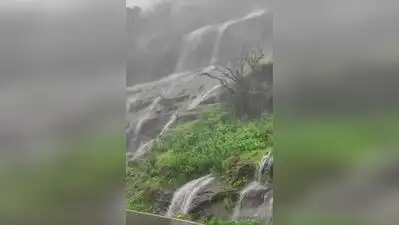
The Western Ghats
He noted that of the proposed 20,668 sq km ESA, more than 16,000 sq km is already protected under existing forest and wildlife laws.
Wildlife conservationist G Veeresh from Chikkamagaluru said the report was translated into Kannada only recently, leaving many residents unaware of its contents. It is being opposed without people fully understanding its recommendations,” he said. “The original report has already been diluted.
Rejecting claims that the report threatens local communities, Korse said it does not propose eviction of farmers, tribals or other residents, nor does it undermine livelihoods or land rights. A dedicated development policy for the low-density Malnad region could address such concerns, according to him. Joseph Hoover, former member of the State Wildlife Board, said supporters of the Kasturirangan recommendations are willing to engage in an open discussion with the government.
He added that many people mistakenly believe ESA notification would deprive them of basic facilities. He also stressed that Gram Sabhas should have a role in managing natural resources. He maintained that the report targets only red-category industries, mining and large projects in eco-sensitive areas. “The report is not against people. Instead of implementing it in the public interest, the state government is creating confusion. Those seeking to push destructive projects in the Western Ghats are behind the misinformation campaign,” Hoover alleged.