
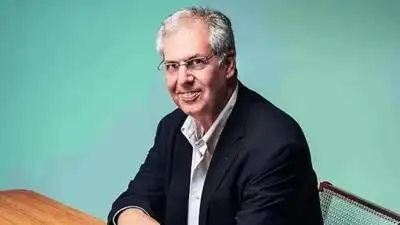
Noel N Tata, chairman of Tata Trusts
Sarathi told police that he had obtained the SIM in his name in 2021 and that the number had been used by him and members of his family. However, he claimed that the mobile phone containing the SIM was stolen in February 2024.
He said the number had subsequently been deactivated and that he had not lodged any police complaint regarding the theft. Mumbai: The Mumbai cyber police have submitted a closure report in a case where an unidentified person allegedly impersonated Noel N Tata, chairman of Tata Trusts, and used a stolen number stating as his WhatsApp number. The police submitted `A’ summary report saying the case is true, but the offender is untraceable, or there is no available evidence/material to prosecute the accused. Police also obtained the Call Detail Records and Subscriber Detail Records of the mobile number from the Indian service provider. The records showed that the number was registered in the name of Nanakiram Parmanand Sarathi, a resident of Kharsia in Chhattisgarh. Police subsequently contacted Chhattisgarh authorities and verified Sarathi’s address and statement. Police also sought IPDR details from the service provider, but the company reportedly informed them that no records were available for the relevant period.
The number was traced to a Chhattisgarh resident, who said his phone had been stolen in 2024. The accused used Tata’s photograph as the profile picture and sent an employee a message claiming to be him. Meta’s investigation showed VPN usage with foreign locations, while Indian service provider records yielded no useful IPDR data. As the accused could not be identified, police concluded the case remained undetected. Following the complaint, cyber police registered a case against the unknown user of the mobile number and initiated a technical investigation to identify the person behind the WhatsApp account. Police then approached Meta to obtain the Internet Protocol (IP) logs associated with the WhatsApp account. The IP addresses received during the investigation indicated the use of a Virtual Private Network (VPN), with locations appearing in foreign countries, including Cambodia.