
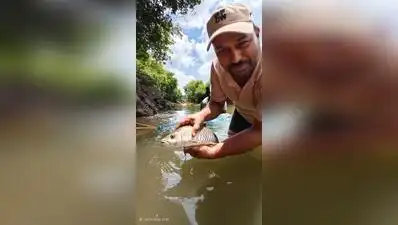
The stocking programme also includes more than 22 lakh fingerlings of endemic species like kavdas, nukta and bobari, along with 10lakh Indian major carps comprising rohu, catla and mrigal
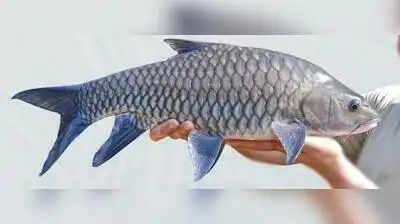
Scientists released native fish fingerlings, including the once-disappeared Deccan mahseer, into Ujani reservoir at Bhigwan to help restore a wetland ecosystem damaged by invasive species and habitat loss Scientists released native fish fingerlings, including the once-disappeared Deccan mahseer, into Ujani reservoir at Bhigwan to help restore a wetland ecosystem damaged by invasive species and habitat loss Scientists released native fish fingerlings, including the once-disappeared Deccan mahseer, into Ujani reservoir at Bhigwan to help restore a wetland ecosystem damaged by invasive species and habitat loss The stocking programme also includes more than 22 lakh fingerlings of endemic species like kavdas, nukta and bobari, along with 10lakh Indian major carps comprising rohu, catla and mrigal Scientists released native fish fingerlings, including the once-disappeared Deccan mahseer, into Ujani reservoir at Bhigwan to help restore a wetland ecosystem damaged by invasive species and habitat loss Scientists released native fish fingerlings, including the once-disappeared Deccan mahseer, into Ujani reservoir at Bhigwan to help restore a wetland ecosystem damaged by invasive species and habitat loss Scientists released native fish fingerlings, including the once-disappeared Deccan mahseer, into Ujani reservoir at Bhigwan to help restore a wetland ecosystem damaged by invasive species and habitat loss The stocking programme also includes more than 22 lakh fingerlings of endemic species like kavdas, nukta and bobari, along with 10lakh Indian major carps comprising rohu, catla and mrigal Kolhapur: For the first time in decades, 10 lakh Deccan mahseer fingerlings slipped into the waters of Ujani reservoir at Bhigwan last week, marking an ambitious attempt to revive a wetland that has quietly been losing its native life for years. BNHS officials said between 30 and 35 native fish species have either disappeared locally or suffered severe declines over the years as invasive fish spread through the reservoir and unsustainable fishing practices intensified. We would like this effort to continue for at least the next 10 years,” he said. Over the past year, BNHS, local fisheries societies and the state fisheries department have removed more than 178 tonnes of invasive fish, including suckermouth catfish and African catfish, from the reservoir. Nearly 6,500 tonnes of invasive vegetation such as water hyacinth, ipomoea and prosopis have been cleared from around 2,000 hectares of the catchment area.
One of the biggest casualties was the Deccan mahseer, Maharashtra’s iconic freshwater fish, often called the “river tiger” for its size, strength and role as a top predator in river ecosystems. Calling the return of the mahseer a milestone, Bharne said the revival effort must continue for years to secure both fisheries and livelihoods. Bringing back species such as the Deccan mahseer and indigenous carps helps rebuild those natural food chains and makes the wetland more resilient to climate change,” said BNHS scientist and programme head Unmesh Katwate. BNHS director Kishor Rithe said the programme combines habitat restoration with species recovery, making it one of the country’s most comprehensive freshwater conservation efforts. The aim is to bring the wetland’s natural functioning back,” he said.
That is what happened at Ujani. Once common in the basin, it had virtually vanished from Ujani by the 1990s. “The Deccan mahseer is returning to Ujani after decades. This is not just about conserving a fish species but about protecting the future of our fisheries and the communities that depend on them. Scientists say the restoration is based on a simple ecological principle: restore native species and the ecosystem can begin repairing itself. “Native fish are the building blocks of the aquatic food web. Releasing fish is only half the battle. The clean-up has extended beyond fish. These species often choke waterways, block sunlight, reduce oxygen in the water and crowd out native plants and fish. “Simply releasing fish is not enough. We are restoring ecological balance by removing invasive species and rebuilding native populations at the same time.
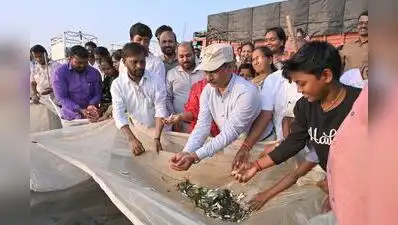
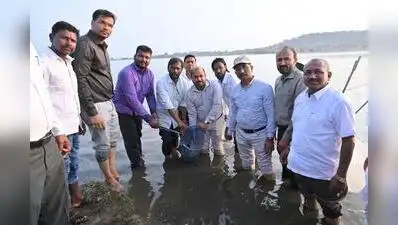
The release forms part of a much larger ecological rescue mission led by the Bombay Natural History Society (BNHS), which has stocked 45 lakh native fish fingerlings and more than 21,000 aquatic plants in the reservoir. The stocking programme also includes more than 22 lakh fingerlings of endemic species such as kavdas, nukta and bobari, along with 10 lakh Indian major carps comprising rohu, catla and mrigal. Agriculture minister Dattatray Bharne inaugurated the initiative at Bhigwan on Oct 17 in the presence of fishermen, conservationists and govt officials.
To rebuild the lost population, BNHS scientists collected breeding stock from rivers in the Western Ghats, including the Hiranyakeshi, Koyna and Panchganga. The fish were bred and reared before being released into waters where they once thrived. Scientists hope the intervention can restore an ecosystem degraded by invasive species, pollution and destructive fishing practices. At stake is far more than a fish population. When native fish disappear, the damage ripples through the food chain. Predatory fish lose prey. Aquatic plants grow unchecked. Water quality declines. Biodiversity shrinks. Fisherfolk return with smaller catches. Over time, an entire wetland begins to unravel.
You Can Also Check: Gold Rate in Kolhapur | Silver Rate in Kolhapur | Bank Holidays in Kolhapur | Public Holidays in Kolhapur Stay updated with the latest Kolhapur news. The next phase will be crucial. Scientists will monitor water quality, fish survival and breeding success while working with local fishing communities to promote sustainable practices. If the young mahseer survive and breed, the ‘river tiger’s’ return could become the first sign that one of Maharashtra’s most important wetlands is slowly finding its way back to life. Download the TOI App.