
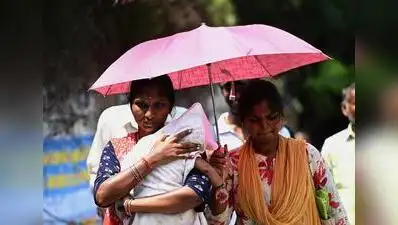
Heat Stress
The findings highlight the need to prepare for prolonged heat, said Aarti Khosla, director of Climate Trends. This means strengthening early warnings, heat action plans, public health preparedness and local resilience before the next temperature record is set,” she said. “We need to plan for heat as a sustained and growing risk and not as an isolated extreme event.
Chennai: Summer-like conditions could set in as early as Feb 2027, as a strengthening El Nino and rising background temperatures increase the risk of heat stress, water shortages and crop losses, according to a report by Climate Trends. The report warns that El Nino’s effects could extend into early 2027, compounding the impact of below-normal rainfall and a warming climate. India recorded a 13% southwest monsoon deficit in 2026, its weakest seasonal performance in a decade. Aug was the hottest on record since 1901, while September was the fifth hottest. The state recorded 20% rainfall deficit during the June-Sep southwest monsoon. Thoothukudi recorded a 64% shortfall, followed by Nagapattinam at 54% and Karur at 53%. The report also flagged a 1.41-lakh-hectare decline in Tamil Nadu’s rice acreage compared with the corresponding period last year. Nationally, rice acreage fell by 15.56 lakh hectares.
The report linked the wider decline to rainfall deficits and delayed sowing, while pulses and oilseeds recorded increases.
The IMD, earlier, forecast below normal Oct-Dec northeast monsoon rainfall over north interior and central districts of Tamil Nadu .
El Nino is likely to peak during the Northern Hemisphere winter, with its effects persisting into early 2027.
With reservoirs running low on capacity, low groundwater, and less soil moisture, there will be a direct impact on Rabi and upcoming summer crops,” said former India Meteorological Department director general K J Ramesh, quoted in the report. “El Nino is strengthening steadily, which, combined with background global warming , will lead to heat stress in the coming season. We can also expect summers to make an entry as early as February. The IMD forecast cited in the report indicates that most parts of India could receive below-normal rainfall during Oct-Dec, while warmer-than-normal winter temperatures could add to stress on crops and water resources.