
Attachment
Attachment Attachment Attachment Attachment Attachment Attachment Attachment Attachment
Stay updated with the latest Bareilly news.
“According to a National Tiger Conservation Authority advisory, the closure of eco-tourism activities may extend to five months. The duration is decided by individual states based on local conditions,” said Samir Sinha, chief ecologist at Wildlife Trust of India. Experts said the extension could also affect forest roads and grassland regeneration. Pre-monsoon showers in late June can soften unpaved forest routes, and the movement of heavy safari vehicles on wet soil may create deep tyre ruts, compact the topsoil and disrupt natural drainage,” said a forest officer involved in annual maintenance of forest roads after monsoon. “Compacted soil inhibits the regeneration of native perennial grasses, directly affecting the food supply of local herbivores,” he added. Prolonged exposure to safari traffic during extreme summer temperatures could also stress ungulates when their energy reserves are already low, experts said.
“The fine clay and alluvial soils of the Terai belt are vulnerable to erosion and compaction. Download the TOI App.
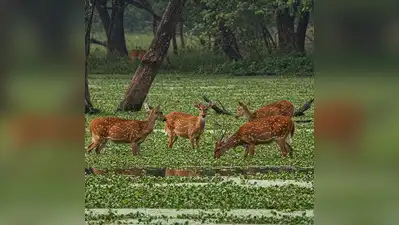
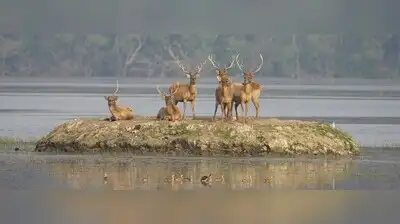
Pilibhit: UP govt’s decision to extend eco-tourism season in key tiger reserves and wildlife sanctuaries in the Terai belt — from Nov 1 to June 30, instead of the traditional Nov 15 to June 15 schedule — has raised concerns among conservationists over its potential impact on grassland wildlife and the wider ecosystem. DTR deputy director Jagdish R said the reserve’s swamp deer population increased from an estimated 3,579 in 2022 to 5,905 in 2025. The reserve is also home to more than 20,000 chital, besides other species of deer and antelope.
The revised schedule, confirmed by state principal chief conservator of forests (wildlife), Anuradha Vemuri, applies to major protected areas, including Dudhwa and Pilibhit tiger reserves and the Suhailwa, Sohagi Barwa and Katarniaghat wildlife sanctuaries.
Conservationists said late June coincides with peak summer heat and the onset of pre-monsoon stress for herbivores. “Continuous vehicular movement and tourist presence through late June increase stress levels, disrupt critical nursing and fawning behaviour and force herds away from water sources towards forest fringes, increasing the risk of human-wildlife conflict,” a senior forest official said. Experts said the revised opening date could also coincide with the tail end of the post-monsoon breeding and rutting season. “Frequent vehicular movement can disrupt sensitive seasonal activities such as mating, calving, and the safe nursing and nourishment of vulnerable fawns by hinds in quiet, secure areas,” the official said.
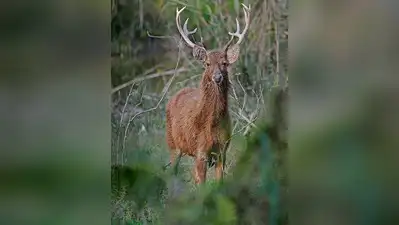
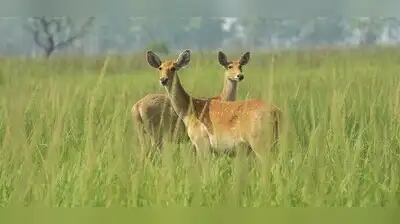
conservationists warn that extending tourist activity into early Nov and late June could affect species such as swamp deer, hog deer, chital and nilgai, as well as specialised grassland fauna While the move is aimed at boosting eco-tourism revenue. Terai landscape is characterised by high moisture levels, shallow groundwater and dense alluvial grasslands. As water sources shrink, the animals tend to congregate around the few remaining waterholes. During early Nov, tall elephant grass provides shelter to newborn fawns and nesting habitat for grassland birds, including the critically endangered Bengal florican. Dudhwa Tiger Reserve (DTR) is home to the world’s largest surviving population of the northern wetland-adapted subspecies of swamp deer (Rucervus duvaucelii), also known as barasingha. The animals depend largely on flooded grasslands and are concentrated in specific wetland pockets.