
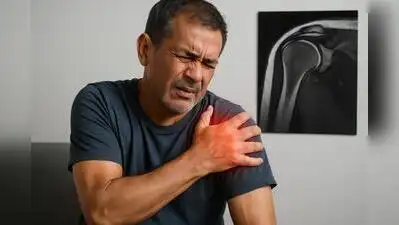
Orthopaedic experts in Lucknow caution that symptoms such as deep shoulder pain at night, difficulty lifting the arm, and weakness following a shoulder injury should not be hastily attributed to frozen shoulder. These signs may indicate more serious conditions that require prompt medical evaluation and intervention.
Prof Shailendra Singh said the orthopaedic OPD sees five to six patients with rotator cuff tears daily, but nearly 90% seek treatment only after the tear has enlarged and shoulder movement has become restricted. Even after arthroscopic repair, 25% require revision surgery or shoulder replacement,” he said. Because the condition can cause stiffness and thickening of tissues around the shoulder joint, head of orthopaedics Prof Ashish Kumar said frozen shoulder is common among people with diabetes.
Speaking at an arthroscopy workshop organised by the orthopaedics department at King George’s Medical University (KGMU), experts warned that continuing exercises without a confirmed diagnosis can aggravate the condition.
He said non-diabetic patients who develop similar symptoms should be evaluated for a rotator cuff tear. “Most first visit a physiotherapist or a quack, or keep exercising, assuming the problem will resolve on its own. The prognosis is poor in such cases. Prof Kumar Shantanu discussed patch augmentation in complex rotator cuff surgeries. Such patches provide additional support to the repaired tendon and may improve healing while reducing the risk of re-tear, particularly in patients with poor tendon quality or large tears.