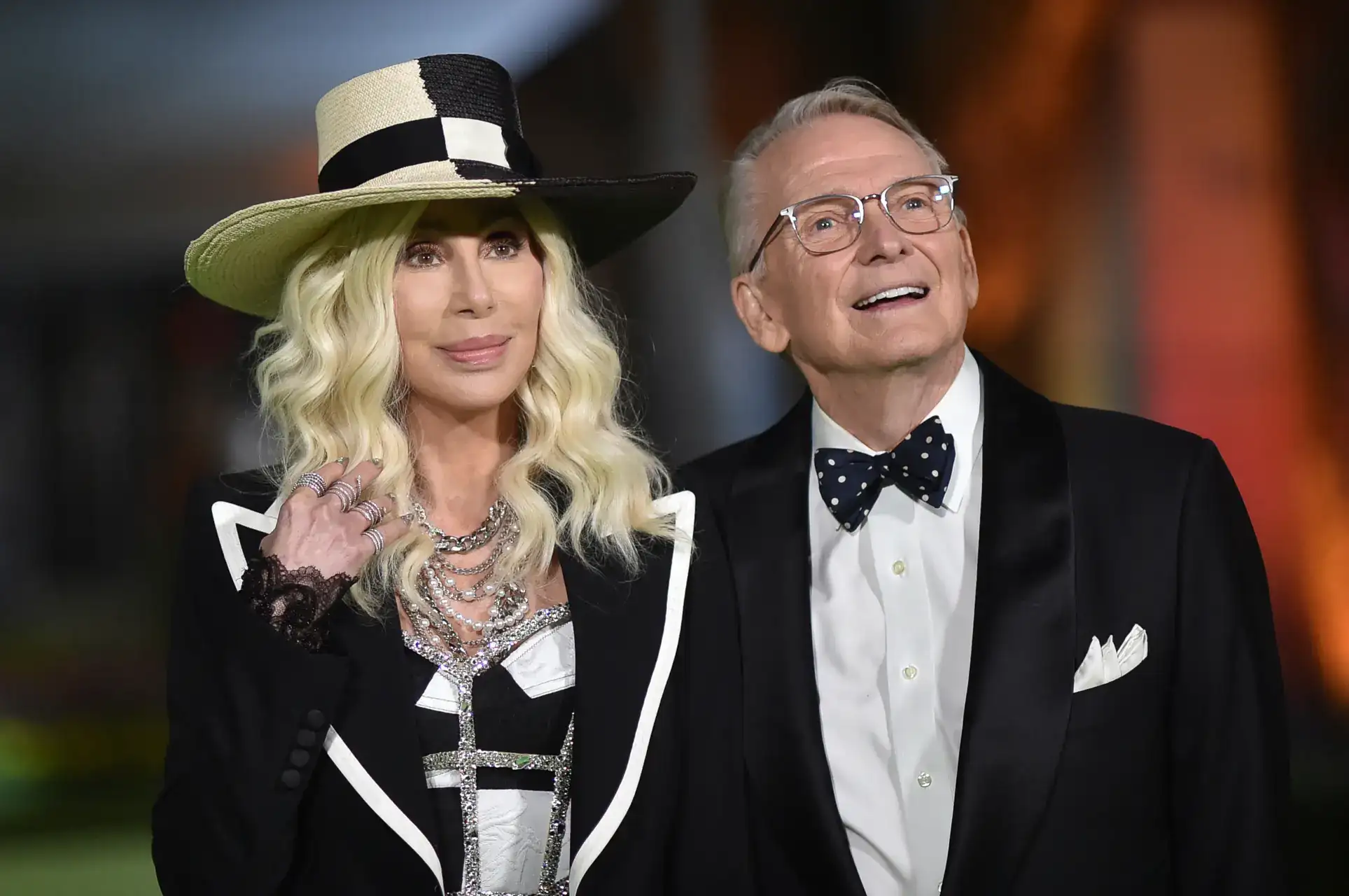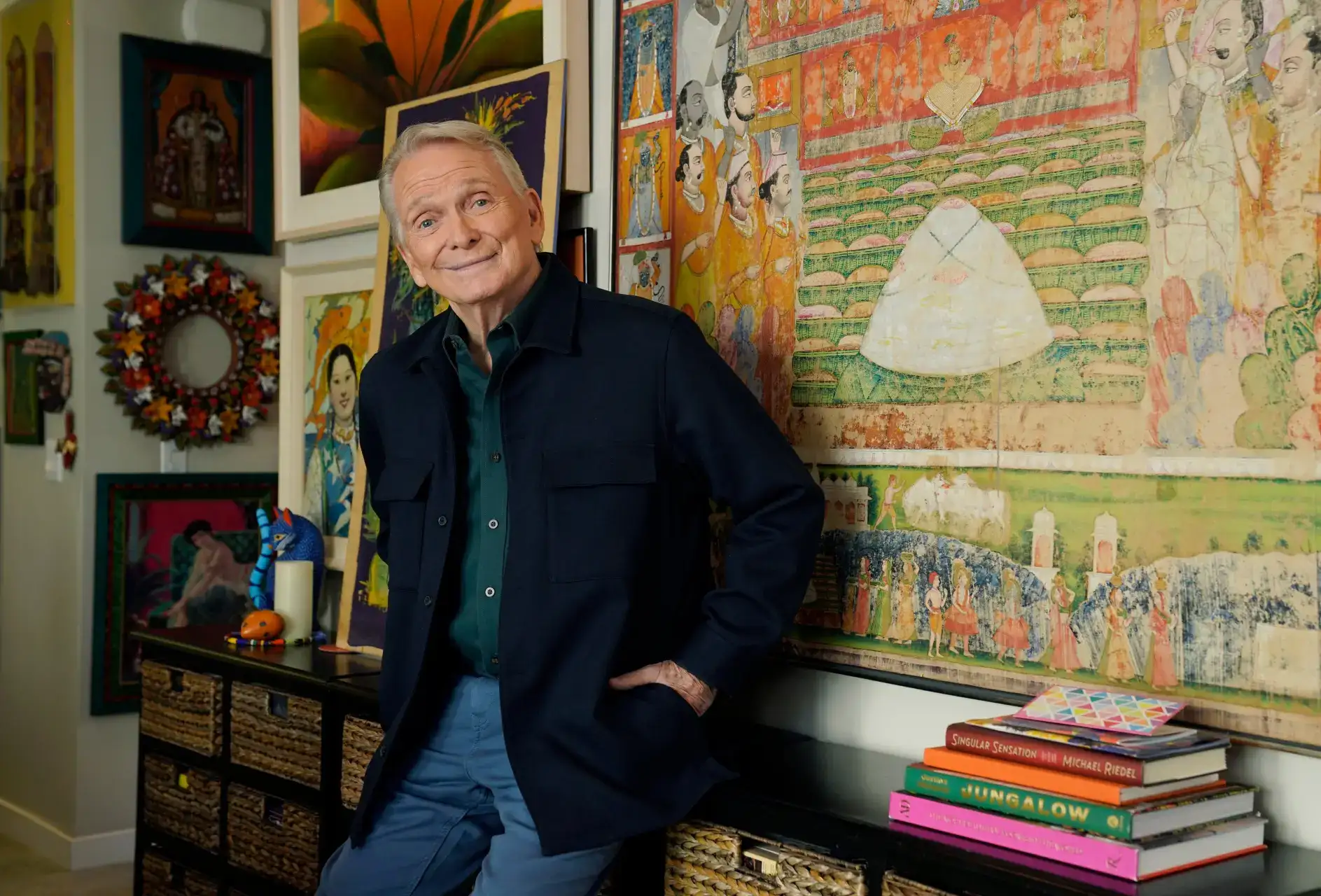
20, 2021. (AP Photo/Chris Pizzello, File) FILE – Costume and fashion designer Bob Mackie poses for a portrait at his home in Palm Springs, Calif., on Oct.
He was 86. He won nine Emmy Awards and received three Academy Award nominations for costume design.
And they could make an entrance before the woman wearing them had even said a word. There are clothes you wear. And then there are clothes you remember. Robert Mackie spent much of his extraordinary career creating the second kind. The legendary American fashion designer, whose name became almost inseparable from glamour, television and some of the most unforgettable costumes ever seen on stage and screen, has died. For decades, Mackie understood something that very few designers did quite as instinctively: clothes could be bigger than fashion. They could create a character, change the mood of a room and, sometimes, become part of pop culture itself. His designs sparkled. They shimmered. They knew exactly when to be dramatic. But behind all that glitter was a designer with an extraordinary understanding of the women who wore his clothes. It would be easy to remember Mackie only for the sequins. There were certainly plenty of them. But reducing his work to glitter would miss what made him special. Mackie was a storyteller. He approached clothing almost like an illustrator, thinking about shape, movement, colour and the way a costume would look under stage lights or through a television camera. He knew that an outfit could not simply look good standing still. It had to move. It had to photograph well. It had to work from a distance. It had to help the performer inhabit a role. That is why his costumes often felt so alive. There was wit in them. There was exaggeration. There was a sense that fashion didn’t always have to take itself seriously. Mackie’s career stretched across generations of entertainment. He worked in film, television and theatre, and his contributions were recognised with numerous awards and nominations.
Mackie was born on March 24, 1939, in Monterey Park, California. Because it would make an audience gasp, long after particular trends have disappeared, there is still something wonderfully human about a dress covered in sequins, a huge feathered costume or an outfit designed simply. The world of fashion has lost a designer, but popular culture has lost something more difficult to replace: one of its great visual storytellers.
There are conversations about trends, rules, quiet luxury, silhouettes and what is considered “correct”. He studied at Chouinard Art Institute in Los Angeles before beginning a career that would eventually take him to Hollywood, Broadway and television. His early work brought him into the world of costume design, where he worked with some of the industry’s biggest names. He became an assistant to costume designer Jean Louis and later worked with Edith Head, gaining an education in Hollywood glamour that would shape the rest of his career. Mackie didn’t simply make clothes for performers. He understood performers. That distinction became the heart of his work. For many viewers, Robert Mackie’s name became familiar through television. Mackie’s clothes became attached to moments in people’s lives, to television shows watched by families, to concerts remembered years later and to performances that became part of entertainment history. His work also helped change the way costume and fashion could interact with celebrity. He understood that a performer could use clothing almost like another instrument. The outfit could be part of the voice. There is something particularly lovely about looking back at Mackie’s work now. Fashion can sometimes become very serious about itself. Mackie’s clothes rarely seemed interested in behaving. They wanted to have fun. They wanted to sparkle. They wanted to make people look twice. And perhaps that is why his work has lasted. Mackie understood the pleasure of fashion. He understood that sometimes a person doesn’t need a practical reason to wear something spectacular. Sometimes spectacular is the reason. Robert Mackie knew how to make people larger than life. He knew when to be elegant and when to be outrageous. He knew that glamour could have a sense of humour. Most of all, he understood that the best costume doesn’t compete with the person wearing it. It helps reveal them. That may be his most lasting gift. The women he dressed weren’t simply wearing Robert Mackie. For a few unforgettable minutes, they became the world he had imagined for them. And decades later, we still remember those images. The sequins have gone into the archives. The stages have emptied. The television cameras have moved on. But the magic remains. Looking for trusted parenting advice? Follow TOI Parenting Circle on Instagram for expert guidance, relatable stories, and practical tips delivered every day. Get the latest Lifestyle News and more. Download the TOI app.
25, 2021, in Los Angeles. (Photo by Richard Shotwell/Invision/AP, File) He once famously understood that a Cher look needed to feel like Cher. 20, 2021. (AP Photo/Chris Pizzello, File) They’re memories. He designed costumes for productions including The Will Rogers Follies , for which he won a Tony Award.
The most enduring example came from the iconic “Gone With the Wind” parody, in which Burnett appeared as Starlet O’Hara in a curtain dress that became one of television’s most recognisable costumes. His long association with The Carol Burnett Show turned into one of the most important creative partnerships of his career. Mackie designed costumes for Carol Burnett and the show’s cast, creating looks that could be elegant one moment and completely outrageous the next. And Burnett famously trusted him. It was funny. It was ridiculous. It was glamorous in its own strange way. And that was Mackie’s genius. He knew that comedy and glamour didn’t have to be opposites. The designer went on to work with a long list of performers, including Cher, Diana Ross, Tina Turner, Judy Garland, Barbra Streisand and Whitney Houston. His costumes helped create some of the larger-than-life images associated with these women. For Cher in particular, Mackie’s work became part of her visual identity. He understood that Cher wasn’t interested in disappearing into a dress. She wanted the dress to become part of the performance. So he gave her clothes that pushed boundaries: sheer fabrics, elaborate beadwork, feathers, sequins, dramatic silhouettes and plenty of skin. There was never much room for understatement. And that was precisely the point. Mackie’s relationship with Cher is one of the great designer-muse partnerships in popular culture. Together, they created a visual vocabulary that still feels instantly recognisable. Mackie dressed Cher for television appearances, concerts and some of the most memorable moments of her career. His designs celebrated her body rather than trying to hide it. FILE – Cher, left, and designer Bob Mackie arrive at the Academy Museum of Motion Pictures Gala on Sept. That sounds obvious now. It wasn’t always. At a time when women in entertainment were often expected to fit neatly into conventional ideas of glamour, Mackie made room for something more playful, provocative and theatrical. His clothes could be sexy without being apologetic. They could be extravagant without losing their sense of humour. His Broadway work was equally significant. That ability to move between Hollywood, television and Broadway was part of what made his career so remarkable. He wasn’t tied to one idea of fashion. He could understand a television comedian, a pop superstar, a Broadway performer and a Hollywood actress, and give each of them something that felt distinctly their own. Perhaps the best way to understand Robert Mackie’s legacy is to look at the images he left behind. Cher in a barely-there, intricately embellished costume. Tina Turner commanding a stage in a dramatic silhouette. Carol Burnett laughing her way through a parody in a ridiculous but brilliantly constructed gown. Diana Ross surrounded by feathers and glamour. These aren’t simply fashion photographs. FILE – Costume and fashion designer Bob Mackie poses at his home in Palm Springs, Calif., on Oct. And that is a rare achievement for a designer.