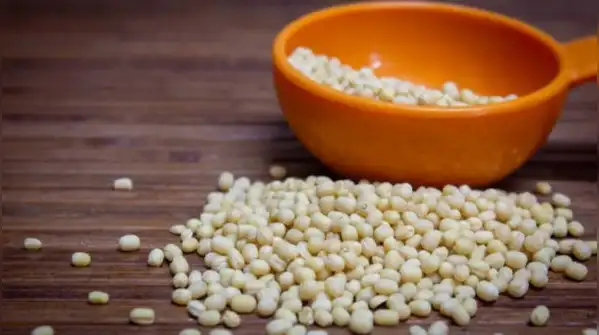
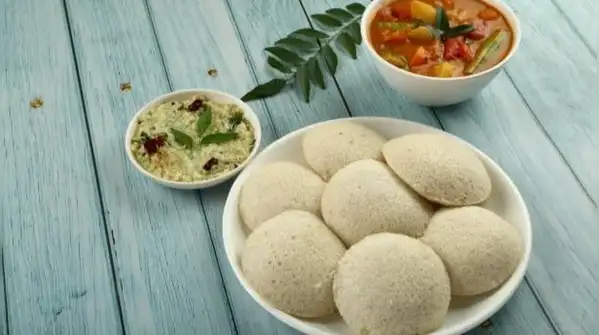
There is a particular kind of disappointment that comes from lifting the lid off a batter container in the morning and finding exactly what you left there the night before. No rise, no bubbles, no gentle dome pushing against the sides, just flat, dense batter that you know is going to produce hard, sullen idlis instead of the soft, pillowy ones you were hoping for. It is one of the most common complaints in Indian home kitchens, and it becomes even more frustrating when the same recipe that works beautifully for your mother or neighbour refuses to cooperate in your own kitchen. The truth is that idli batter fermentation is a living process, driven by wild yeast and bacteria that respond to very specific conditions. When the batter does not rise, something in those conditions has gone off track, and identifying which one makes all the difference.

Because salt slows things down, there is also long-standing debate about when to add it, with many experienced cooks preferring to add salt before fermentation in warmer climates and after fermentation in colder ones, precisely. Salt is a quiet saboteur when it comes to fermentation. excessive salt inhibits the bacteria responsible for fermentation and can noticeably slow or suppress the rise While a moderate amount is perfectly fine and even helps regulate the process. Iodised salt is often blamed for poor fermentation too, and while opinions vary, many households find that rock salt or non-iodised salt produces more reliable results. If your batter consistently underperforms despite everything else being right, reducing the salt or shifting when you add it is worth testing. Consistency plays a bigger role than most people expect. Batter that is too thick lacks the fluidity needed for gas bubbles to move and expand through it, so even if fermentation is happening, the rise stays trapped and invisible. Batter that is too watery cannot hold those bubbles at all, letting the gas escape and leaving you with a thin, flat mixture that spreads rather than domes. The right consistency is thick but pourable, falling off a spoon in a slow, heavy ribbon rather than either plopping in a lump or running freely. Chlorinated tap water can also interfere with fermentation in some areas, since chlorine is specifically designed to kill microorganisms, so using filtered water occasionally makes a noticeable difference. If you wake up to unfermented batter, it is usually recoverable rather than ruined. Moving it to a warmer spot and giving it another four to six hours often rescues it entirely, particularly if temperature was the original problem. If it still refuses to move, a small pinch of baking soda or a spoonful of active curd stirred in just before steaming can provide enough lift to salvage that batch, though this is a workaround rather than a real fix. You can also repurpose unfermented batter by thinning it slightly; it makes perfectly good uttapam or paniyaram, so nothing needs to go to waste. How to tell when fermentation has actually worked Knowing what success looks like helps you troubleshoot faster. Properly fermented batter roughly doubles in volume, develops a visibly bubbly, porous surface, and gives off a mildly sour, pleasant aroma. Stirring it should feel light and airy rather than heavy. A useful test is dropping a small spoonful into a bowl of water, well-fermented batter floats, while under-fermented batter sinks. Over-fermented batter, by contrast, smells sharply sour and may have collapsed after rising, which usually means it sat too long in excessive warmth. Getting consistent results over time The encouraging part is that idli fermentation becomes reliable once you identify which variable your particular kitchen is struggling with. Most households discover that a single adjustment, usually temperature or dal quality was the persistent issue all along. Keeping notes on soaking times, grinding method, and where you placed the batter helps you narrow it down quickly. Once those conditions are dialled in for your climate and equipment, the batter tends to behave predictably, and mornings of flat, disappointing batter become a thing of the past. This article is intended for general informational and culinary guidance only. Fermentation results can vary significantly based on climate, humidity, altitude, water quality, ingredient freshness, and equipment used. Anyone with allergies, dietary restrictions, or specific health conditions should consult a qualified nutritionist or medical professional before making dietary changes.

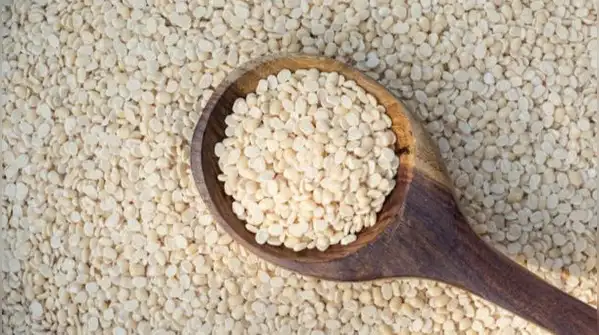
The ideal range sits somewhere around 28 to 32 degrees Celsius, and anything significantly below that will slow fermentation dramatically or stall it entirely. Because the microbes stay sluggish in low temperatures, but in air-conditioned homes, colder months, or hill stations, that same eight to ten hours simply is not enough. This is the single biggest reason idli batter refuses to ferment, and it catches people out constantly. Fermentation depends on naturally occurring bacteria and wild yeast, both of which need warmth to multiply and produce the carbon dioxide that makes the batter rise. In warm, humid regions, batter left on a kitchen counter overnight ferments beautifully with no intervention at all. Placing the batter inside a switched-off oven with the light on, near a warm appliance, or wrapped in a thick blanket usually solves this without any special equipment. The relationship between rice and urad dal is not arbitrary, and getting it wrong directly affects how well the batter rises. Urad dal is what drives fermentation, as it contains the proteins and natural mucilage that trap air bubbles and give the batter its characteristic lift and texture. Rice provides structure and body but contributes very little to the actual rising process. A commonly recommended ratio is around four parts rice to one part urad dal, though many households prefer three to one for softer idlis. If your batter has too little dal, there simply is not enough fermenting material to generate a proper rise, no matter how long you wait. Similarly, using old urad dal that has been sitting in the pantry for a year or more can weaken results, since its fermenting capacity declines noticeably with age. How you grind the dal matters as much as how much of it you use. Urad dal needs to be ground into a smooth, light, fluffy paste that has visibly increased in volume and feels airy rather than dense. This aeration during grinding is what incorporates the initial air into the batter, giving fermentation a head start. Grinding it too coarsely, or grinding it in a hot mixer that heats the batter and kills the active microbes, both undermine the process significantly. Using cold or room-temperature water during grinding helps keep the temperature down, and grinding in short bursts rather than one long continuous run prevents the motor from overheating the mixture. A wet grinder traditionally produces better results than a mixer grinder for exactly this reason, though a mixer works fine with a little care.