
Anyone who has kept the nine-day vrat knows the pattern. Day one feels special, day four feels repetitive, and by day seven the thought of another plate of sabudana khichdi is enough to test your devotion. The restrictions are real, with no regular grains, onion or garlic, but they do not have to mean the same meal on repeat. Here is a simple nine-day approach.
A little planning before the festival starts, and a smart use of fasting-friendly ingredients, can keep every day fresh, filling and easy on the stomach.
Build your base list before Day 1
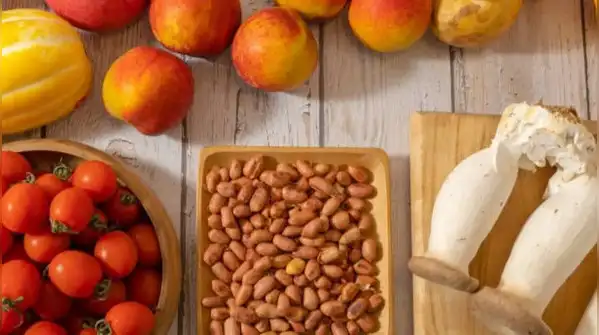
Start with a grocery run, not a recipe hunt. Stock up on the staples you can use in many ways: sabudana, kuttu atta, singhara atta, rajgira, samak rice (sama ke chawal), makhana, peanuts, potatoes, sweet potatoes, curd and fresh fruit. Add rock salt (sendha namak), green chillies, cumin and fresh coriander. Check your family’s customs too, since some homes allow certain flours or spices and others do not. When the cupboard is ready, deciding what to cook each morning takes minutes instead of becoming a daily puzzle.

Having three or four quick dishes you can make in 15 minutes saves the day. You can also prep a few things in advance, such as boiling potatoes, roasting peanuts and grating vegetables, so that cooking in the morning takes less effort and fewer dishes.
A small chart on the fridge, with a main dish, a side and a snack for each day, saves the daily “what should I cook” question and keeps the family involved. The easiest way to avoid boredom is to change the base every day or two. Think of a simple cycle: sabudana on one day, kuttu on another, samak rice next, then singhara or rajgira. Each one has its own taste and texture, so even a similar masala can feel like a new dish. Kuttu puris with aloo sabzi, samak rice pulao, rajgira parathas and singhara halwa all feel very different on the plate. Try not to repeat the same flour on two consecutive days. Fasting food can be rich in starch and fried items, which may leave you tired by midweek. Balance it. Follow a heavier day of puris and parathas with a lighter one of fruit chaat, makhana, curd or a vegetable-based dish. This keeps energy steady and avoids that sluggish, bloated feeling. If you are working through the nine days, keep your weekday meals simple and save the elaborate dishes for the weekend or the special days like Ashtami, when you have more time and often more family around. Some days are simply busy. A vegetable samak rice khichdi, a potato-peanut sabzi with rock salt, a cucumber-curd raita, a fruit chaat with a squeeze of lemon and a bowl of makhana kheer all come together fast. With no onion or garlic, flavour has to come from elsewhere. Cumin, black pepper, green chilli, ginger, lemon juice, fresh coriander, curry leaves (if allowed in your home) and a touch of rock salt can transform simple ingredients. A tadka of ghee and jeera gives sabudana and potatoes a lovely aroma. Fresh coconut chutney or a mint-coriander dip with curd livens up almost any plate. Try a different dip or raita each day, and the same food will taste quite different. Once you have your ideas, write them down. Leave a day or two flexible for leftovers or outings. Mark the special days, like Ashtami and Navami, for festive dishes such as halwa or kheer. A written plan makes the whole nine days feel organised, calm and a lot more enjoyable.