PC: AI Generated
Because radionuclides in phosphogypsum are a source of radon gas and direct gamma radiation, the EPA regulates phosphogypsum as a source category of radionuclides under the Clean Air Act.
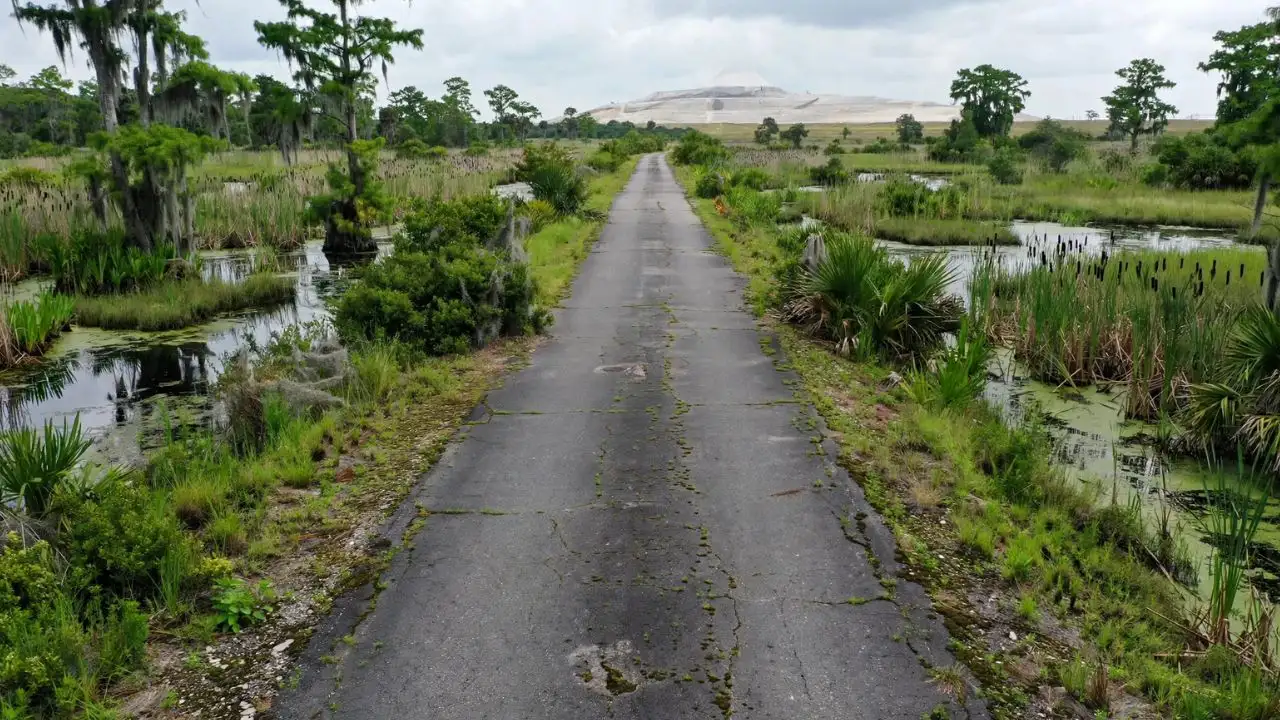
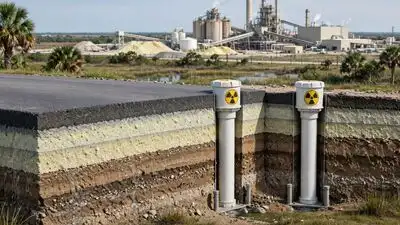
One such project in New Wales, Florida, uses phosphogypsum in the road base beneath asphalt on private property, according to the US Environmental Protection Agency. The EPA says radon in outside air can enter structures and reach levels that pose a health hazard over time. A waste material from fertiliser production is being tested for a new use in road construction in Florida. The material, known as phosphogypsum, is produced when phosphate ore is processed to make phosphoric acid. It contains radium, which can decay into radioactive radon gas, so its use is regulated by the US Environmental Protection Agency. The EPA generally requires phosphogypsum to be managed in engineered stacks that limit public exposure. However, some other uses can be approved when they provide at least as much protection. The agency determined that the project was as protective of human health as stacking the material. One upgradient monitoring well and two downgradient wells will be placed in each section. The property has controlled access, so members of the public are not expected to come into contact with the phosphogypsum in the test road. The EPA approved the request after determining that the proposed use was as protective of human health as placement of phosphogypsum in a stack. Higher exposure to radon over prolonged periods can increase the risk of developing lung cancer. Phosphogypsum stacks also contain low-pH process water and heavy metals. EPA regulations allow phosphogypsum to be removed from stacks for outdoor agricultural purposes and indoor research and development under certain conditions and restrictions. Any other use requires prior EPA approval formally. The agency evaluates each proposed use case by case, considering how the phosphogypsum would be used, the amount involved, and possible health risks to workers and the public, including risks from handling and transportation. EPA can approve a proposed use only when it is at least as protective of public health as placing phosphogypsum in a stack.