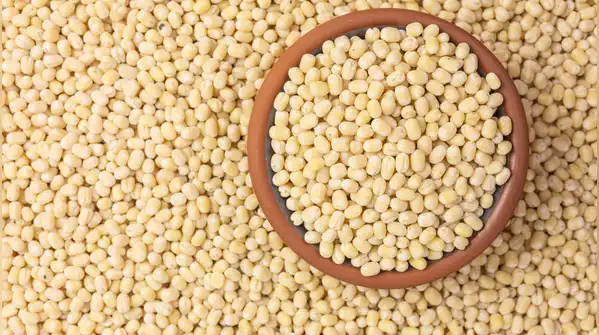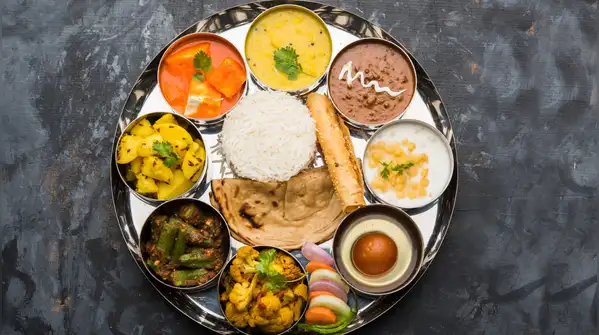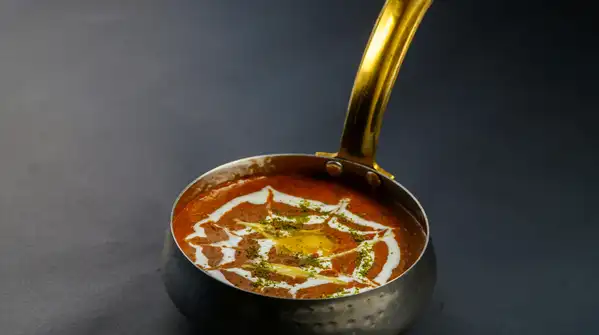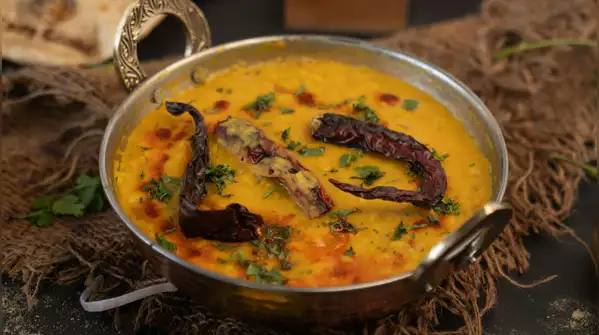
Dal is one of those everyday foods that rarely needs an introduction in an Indian kitchen. It arrives with rice, sits beside roti, becomes the base of khichdi and often turns into a comforting bowl of soup. But beyond being familiar and affordable, pulses are also an important source of plant-based protein, fibre, iron, folate and several other nutrients. If protein is the priority, though, not all dals contribute exactly the same amount. And rather than sticking to one variety every day, rotating and combining different dals can make meals more interesting while broadening the nutritional profile of the diet.
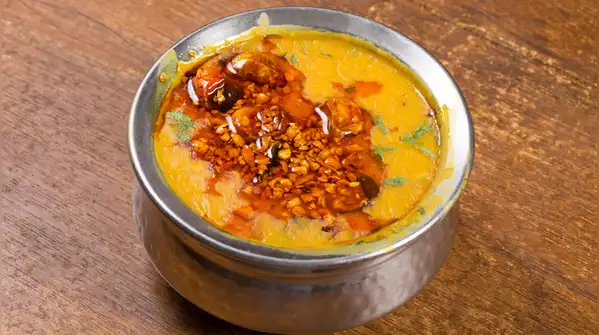
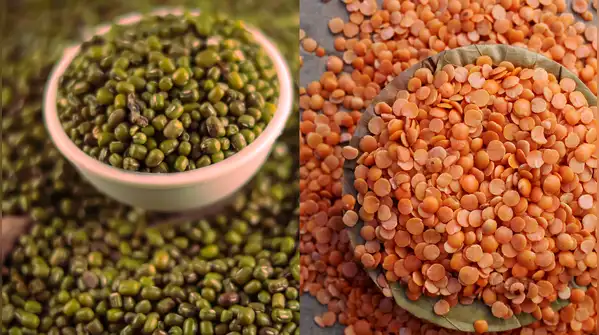
Because they retain their outer layers and also provide substantial dietary fibre, whole pulses such as whole moong and whole masoor can be particularly useful.
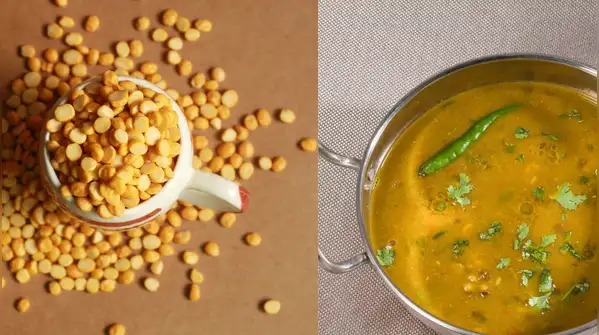
Rather than looking for one single “winner”, it makes more sense to compare dals based on the form in which they are actually eaten and the quantity served. Among commonly eaten dals, moong dal, masoor dal, urad dal, chana dal and toor dal are all useful sources of plant protein, although their protein content varies depending on whether they are measured raw, cooked, split or whole. Dal varieties made from chickpeas, such as chana dal, are also protein-rich and filling. A typical serving of cooked dal provides a meaningful amount of protein, but the exact figure depends on preparation and portion size. Moong and masoor make an easy everyday combination. Moong is relatively light and cooks quickly, while masoor brings a slightly deeper flavour and a hearty texture. Mixing the two in equal quantities can make a simple dal more interesting while providing protein, fibre and micronutrients from both pulses. Add cumin, garlic and a modest tempering of ghee or oil for a comforting bowl that works with rice or roti. For a more substantial dal, combine chana dal with moong dal. Chana dal has a firm texture and tends to make a meal feel hearty, while moong balances it with a softer consistency. This combination works particularly well in khichdi. Add vegetables such as carrots, peas, spinach or bottle gourd to turn it into a more nutrient-dense one-pot meal.
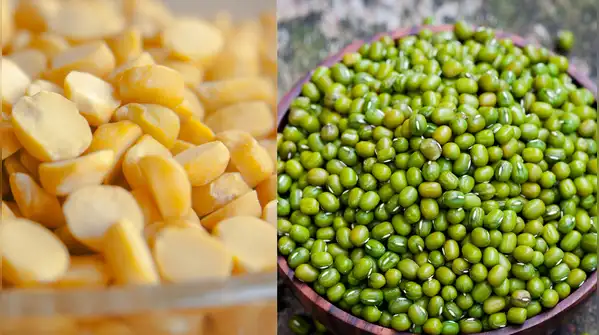
Toor dal is a staple in many Indian homes, but mixing it with moong can change both its texture and nutritional variety. A simple toor-moong dal can be cooked with turmeric, tomatoes and vegetables before being finished with a cumin, garlic or mustard-seed tempering. Served alongside rice and a vegetable, it becomes part of a more balanced meal rather than being the only source of nutrition on the plate. Urad dal is often associated with dishes such as idli, dosa and dal makhani, but it can also be included in mixed dals. It has a creamy texture when cooked and contributes protein, fibre and several micronutrients. For everyday eating, however, dal makhani does not necessarily need to be the default way to consume it. Combining urad with lighter dals or using fermented preparations such as idli and dosa can add variety to the diet. One of the easiest mistakes is to think that increasing dal automatically means meeting all your protein needs. Dal is nutritious, but a balanced meal benefits from several protein sources. Pair your dal with curd, paneer, eggs, fish, chicken, soy, tofu or other protein-rich foods, depending on your dietary preferences. For a vegetarian meal, dal with curd or paneer can substantially increase the overall protein content. Adding vegetables, whole grains and a source of healthy fat also makes the meal more nutritionally complete. You do not need a complicated weekly rotation. Keep two or three varieties at home and alternate them through the week. For example, moong can feature in one meal, masoor in another, while chana, toor or urad can take their turn later. The bigger nutritional lesson is not that one dal is magically superior to all others. Variety matters. Different pulses offer slightly different combinations of protein, fibre, minerals and other nutrients, and rotating them makes it easier to build a diverse diet without making everyday cooking complicated. For an even more balanced plate, think beyond the dal bowl: pair it with vegetables, whole grains and another protein source when needed. That way, dal remains what it has always been in Indian cooking, simple, versatile and deeply nourishing.