
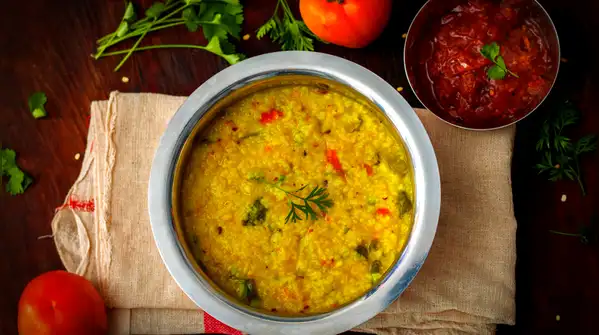
Whether it is made with rice and moong dal, topped with a spoonful of ghee or paired with curd, this humble one-pot meal has been a staple of home remedies for centuries. Its reputation is rooted in both tradition and nutrition. Ayurvedic texts have long described simple rice and lentil preparations as gentle on digestion, while modern nutrition science increasingly supports why this uncomplicated dish is so often recommended during illness. Scroll down to understand why khichdi has been India’s go-to comfort food during illness for generations.
When someone falls sick in an Indian household, the prescription often arrives before the doctor does: a warm bowl of khichdi.
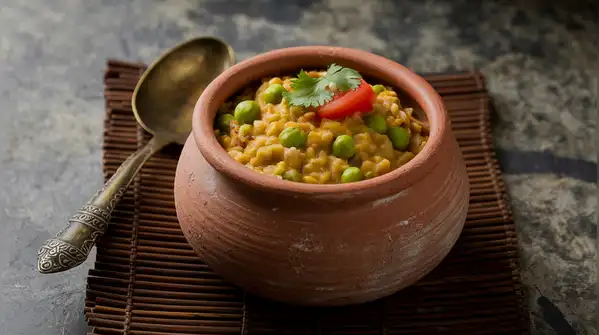
Researchers reported that cooking the dish increased its protein and free amino acid content while reducing phytate, an antinutrient known to interfere with the absorption of minerals such as iron and zinc. Illness often slows digestion, reduces appetite and can leave the stomach sensitive. Khichdi’s biggest advantage is its simplicity. Rice provides easily digestible carbohydrates that supply energy, while split moong dal offers protein without placing excessive strain on the digestive tract. Cooked together with plenty of water until soft, the ingredients become gentle enough for people recovering from fever or stomach infections. Unlike fried or heavily spiced foods, khichdi contains very little fat unless extra ghee is added, allowing the digestive system to focus on healing rather than processing a complex meal. A study published on ResearchGate found that khichdi prepared with traditional aromatic rice landraces and green gram offered several nutritional advantages over the raw grains alone. The study also found that aromatic rice-based khichdi retained valuable phenolic compounds and antioxidant activity, with the pigmented variety Chakhao showing the strongest overall nutritional and antioxidant profile. The findings suggest that incorporating traditional aromatic rice into everyday khichdi could enhance its nutritional quality while preserving beneficial bioactive compounds.
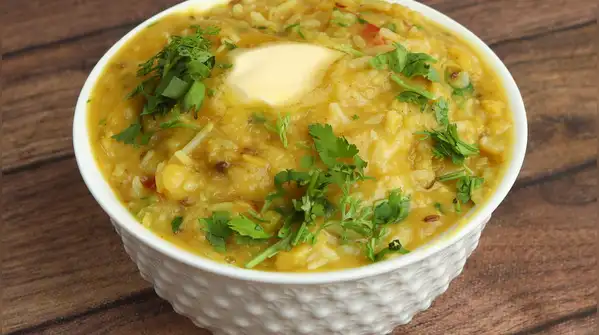
The idea of feeding khichdi during illness is not based solely on tradition. A randomized clinical trial published in the peer-reviewed Journal of Diarrhoeal Diseases Research by researchers from the Department of Paediatrics evaluated the role of a traditional rice-and-lentil khichdi diet in children with acute diarrhoea. A clinical study published in the National Library of Medicine found that young children with persistent diarrhoea who were fed a traditional khichri and yoghurt diet had significantly lower stool output and frequency, along with greater weight gain, than those receiving a soy formula. The researchers concluded that this inexpensive, locally available diet was an effective nutritional therapy for children recovering from persistent diarrhoea. These studies do not suggest khichdi is a treatment on its own, but they reinforce why healthcare professionals encourage early, appropriate feeding instead of prolonged fasting after many gastrointestinal illnesses. Traditional khichdi is cooked with significantly more water than plain rice, making it naturally hydrating. During fever, vomiting or diarrhoea, maintaining fluid intake is essential. The extra water absorbed during cooking helps increase overall fluid consumption while the rice and lentils replenish energy stores. Many households also pair khichdi with curd, buttermilk or plain yoghurt once digestion improves, adding probiotics and additional protein, although this depends on the person’s medical condition and tolerance. Long before nutrition science explained carbohydrates, proteins and digestion, Ayurveda regarded khichdi as a restorative food. Prepared with rice, moong dal and mild spices such as cumin, ginger and turmeric, it was believed to support agni, or digestive fire, without overwhelming the body. A soft, minimally processed meal that supplies energy, protein and fluids while remaining easy to digest is precisely what many recovering patients benefit from.
The study found that introducing khichdi soon after oral rehydration therapy was as well tolerated as delaying food, with a trend towards earlier recovery in the early-feeding group. today’s understanding aligns with several traditional observations Although Ayurvedic concepts differ from modern medical science.