
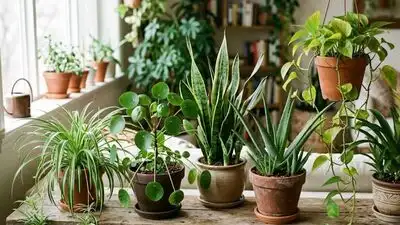
PC: AI Generated
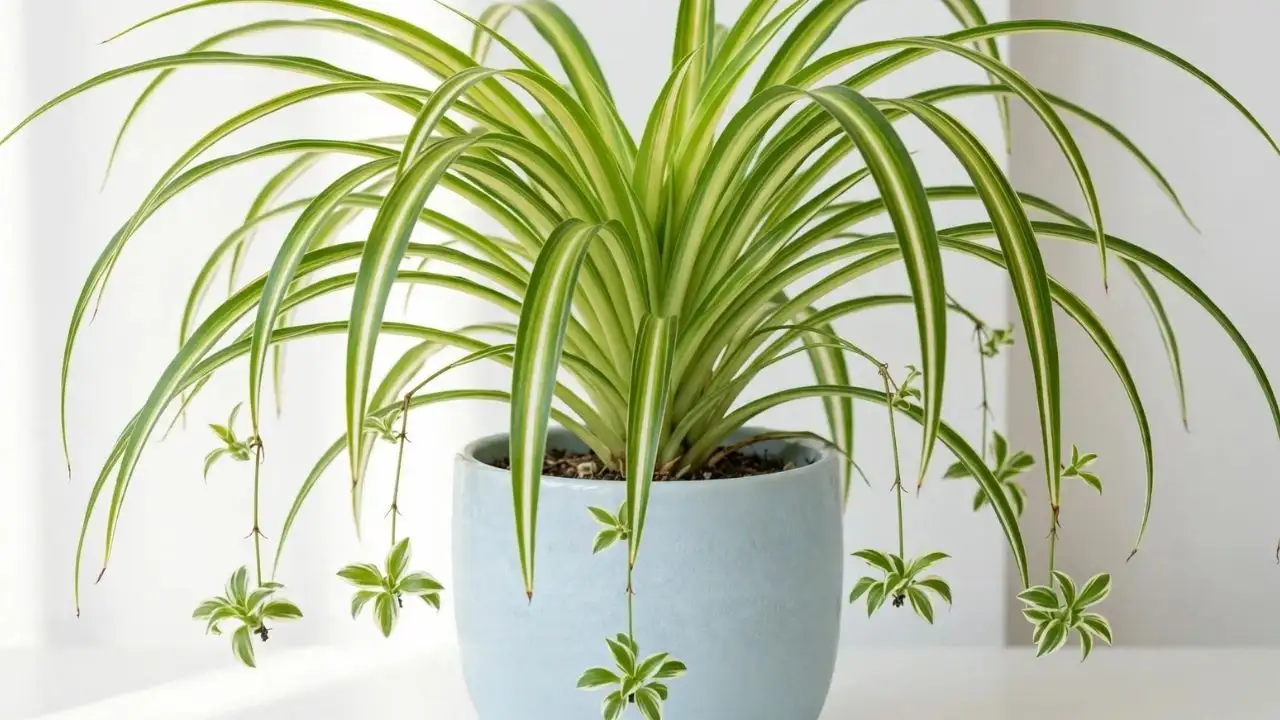
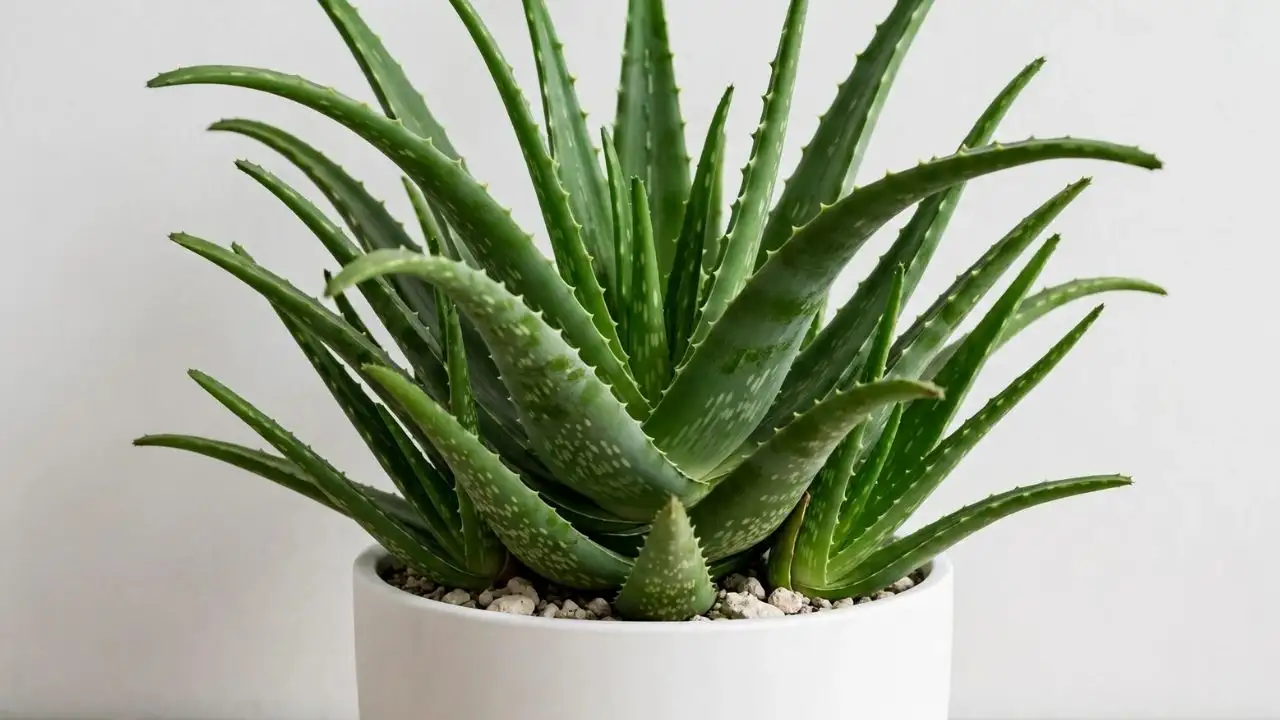
Because they produce small plantlets on long, arching stems, spider plants are among the easiest houseplants to multiply. A houseplant does not always have to remain a single plant in one pot. Some indoor plants naturally produce new growth that can be separated and grown into fresh plants. With the right care, a single healthy plant can gradually turn into several, which can help you build a larger collection without repeatedly buying new ones. This natural multiplication happens in different ways. Some plants produce tiny offsets or pups around the parent plant, while others send out plantlets, underground rhizomes, or new shoots that can be divided. Certain plants can also be grown from cuttings. There are several houseplants that are well suited for propagation through division and offsets, including aloe, spider plant, snake plant, Chinese money plant, peace lily, and bromeliads. If you want to multiply plants naturally at home, here are some plants that are worth growing. These baby plants can eventually be separated from the parent and grown on their own. Spider plants are particularly suitable for propagation through offsets and plantlets. Once the plantlets are well developed, they can be gently separated from the mother plant and potted on their own. A healthy, mature spider plant can keep producing these plants over time, allowing one plant to gradually grow into several new pots. PC: AI Generated Aloe vera can produce small offsets or pups around the base of the mature plant. These young plants develop alongside the parent and can eventually be separated when they are large enough to handle. When these pups begin to crowd the pot, they can be carefully separated from the parent plant and replanted in individual containers. This allows a mature aloe vera to produce new plants over time, making it an easy choice for gardeners looking to grow their collection gradually. PC: AI Generated Snake plants are known for being slow-growing, but they are also remarkably easy to propagate. Their underground rhizomes can produce new shoots, allowing a crowded plant to be divided into smaller sections. Once a mature snake plant develops several new shoots, the root mass can be carefully divided so each section has healthy roots and enough growth to establish itself. Snake plants can also be grown from leaf cuttings, but division is often the simpler option when the plant has already formed several connected shoots. The Chinese money plant is another easy choice for gardeners who want to grow their collection from a single plant. It naturally produces small offshoots around the parent plant, which can be separated once they are well established. Once the young plants have developed their own roots, they can be carefully removed and potted separately. With time, a healthy parent plant can produce several new plants, allowing your indoor collection to grow without starting from seed. As peace lilies mature, they can gradually outgrow their pots and become crowded. This makes them well suited to propagation by division.
Make the cut at a 45-degree angle. The cutting should be around 7 to 16 cm long. To divide a mature peace lily, carefully remove it from its container and gently separate the root mass into smaller sections. Make sure each section has healthy roots and leaves before placing it in a separate pot. Dividing an overcrowded plant not only gives each section more room to grow but can also turn one mature peace lily into several new plants. Bromeliads can naturally produce small offsets, often called pups, around the base of the parent plant. As these pups grow and become established, they can be separated and raised as individual plants. Bromeliads are a good choice for indoor gardeners who want to expand their collection over time. Once the pups are large enough to establish on their own, they can be carefully separated from the parent plant and potted individually. Using clean scissors or a pruning knife, cut the stem just below a node, where a leaf joins the stem.
Once the roots have grown to around 2 to 5 cm long, the cutting can be moved into a pot filled with pre-moistened compost. Take off the lowest leaf and any excess leaves, leaving only the top two or three. The part of the cutting that will remain in water should be free of leaves. Leaves left underwater can rot. Fill a clean glass, vase, or bottle halfway with water. Place the cutting in it and keep it somewhere bright and warm. Avoid direct sunlight. Replace the water every few days to keep it fresh. Rooting usually takes around three to four weeks, although some plants may take longer. Keep the compost moist but avoid making it too wet. With time, new growth should appear and your cutting will begin to grow into a new house plant. Looking for trusted parenting advice? Follow TOI Parenting Circle on Instagram for expert guidance, relatable stories, and practical tips delivered every day.