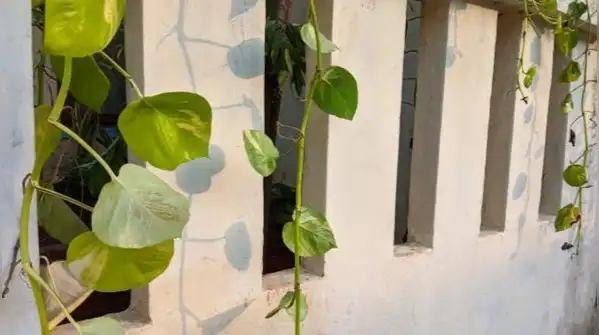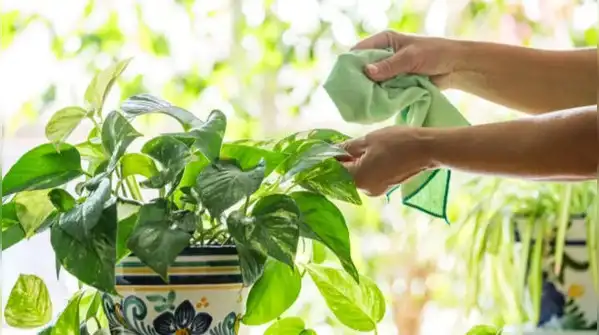
It is one of the most common plants found in Indian homes, valued not just for its lush, trailing vines but also for the belief that it brings prosperity and positive energy into a household. Yet despite being everywhere, climbing up moss poles in living rooms, dangling from kitchen shelves, sitting quietly in a glass of water on a windowsill, the money plant is also one of the most misunderstood when it comes to sunlight. Too much sun and the leaves scorch and fade. Too little, and the plant grows leggy, pale, and weak. Getting the placement right is really the single biggest factor separating a thriving, vibrant money plant from one that limps along looking half-alive.
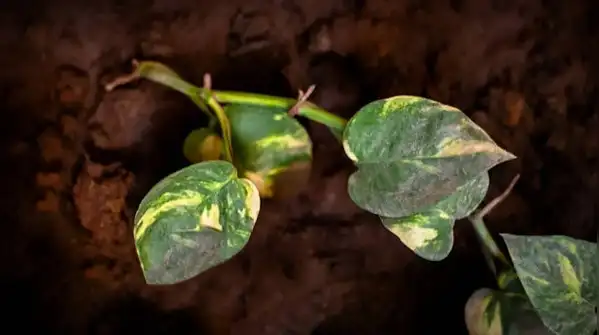
The plant is naturally suited to the dappled, filtered light of a forest understorey rather than open, unshaded exposure, which means strong direct rays can quickly scorch its leaves, leaving them yellowed, crisped at the edges, or covered in dry brown patches. Because heat and airflow dry out the soil considerably faster, outdoor plants also tend to need more frequent watering than indoor ones, simply. Placing a money plant in harsh, direct sunlight, especially during peak afternoon hours, is one of the fastest ways to stress it. This is particularly true for the variegated varieties, whose lighter, cream-coloured sections contain less chlorophyll and are even more vulnerable to sun damage than the deeper green parts of the leaf. A money plant kept in a west-facing window with unfiltered afternoon sun, for instance, often shows visible stress within just a couple of weeks. Many households keep money plants outdoors on balconies or in garden corners, and the sunlight considerations shift slightly in that setting. Outdoor money plants generally do best in a spot that receives gentle morning sun followed by shade through the harsher midday and afternoon hours, mimicking the filtered forest light the plant is naturally adapted to. A balcony corner shaded by an overhang, or a spot beneath a larger tree that filters direct sun into dappled light, tends to produce noticeably better growth than an exposed, fully sunny ledge. One small habit that makes a noticeable difference is rotating the pot every couple of weeks, particularly for money plants kept near a single-direction light source like a window. Without rotation, the side facing the light tends to grow fuller and more vibrant, while the side facing away becomes noticeably sparser and weaker over time, giving the plant an uneven, lopsided appearance. A quarter turn every ten to fourteen days encourages balanced exposure across the entire plant, resulting in fuller, more symmetrical growth and a healthier overall shape as the vines continue to spread. Light requirements are not entirely static throughout the year, and a spot that works perfectly in winter might become too intense once summer arrives. As the sun’s angle shifts and daylight hours lengthen, a money plant sitting comfortably in gentle winter light may suddenly find itself exposed to much harsher, more direct summer rays through the very same window. Keeping an eye on how the light in a particular spot changes across seasons, and being willing to shift the plant’s position slightly as needed, helps maintain consistent, healthy growth all year round rather than dealing with seasonal stress each time the weather shifts. When it comes to money plants, neither harsh direct sun nor deep, permanent shade brings out the best in them. The real answer lies in the middle ground of bright, indirect light, ideally supplemented with occasional gentle morning sun if grown outdoors. Positioning the plant thoughtfully, watching for early signs of stress, and adjusting its spot as seasons change are simple habits that go a long way toward keeping its vines lush, its leaves vibrant, and its growth steady, rewarding you with the thriving, cascading greenery money plants are so loved for in the first place.