
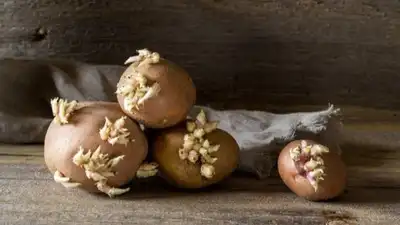
You buy a bag of potatoes with good intentions, and a couple of weeks later the bottom of the pantry looks like a science experiment, with pale shoots, wrinkled skins and a few soft spots. Potatoes are meant to be a long-lasting kitchen staple, but they sprout and spoil quickly when kept in the wrong place. The good news is that a few small changes can add weeks to their life. The formula is simple: cool, dark, dry, airy and away from certain neighbours. Here is how to do it at home.
A cool, dark, dry place such as a pantry or cellar works best, ideally between 7 and 12 degrees Celsius. Potatoes are designed to sit in cool, dark soil, and light and warmth wake them up. Light also makes the skin turn green, which signals a rise in natural compounds called glycoalkaloids, including solanine. In many Indian homes, that cool temperature is hard to reach, so choose the coolest, darkest, driest corner you have, away from the stove, the back of the fridge and sunny windows. Raw potatoes should not be frozen either, since they turn mushy and brown after thawing. Opinions on the fridge differ, but for taste and texture most food guides recommend a cool pantry instead. Cooked potatoes, however, belong in the fridge, where they last a few days.
This article is intended for general informational and household purposes only. Storage results vary with the potato variety, temperature, humidity and individual conditions. Do not eat potatoes that are heavily green, bitter, soft or mouldy, and remove sprouts and green areas generously before cooking. Children, pregnant women and people with health conditions should be extra cautious. If you feel unwell after eating potatoes, seek medical advice.