
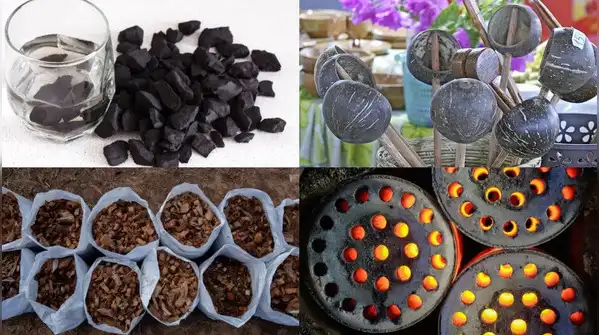
That hard, discarded coconut shell tossed aside after scooping out the flesh and draining the water is doing itself a genuine disservice by ending up in the bin. Coconut shells are tougher, denser, and far more versatile than most people give them credit for, and across coastal states in India, they’ve quietly powered entire cottage industries and export businesses for decades. India’s own Coconut Development Board, a statutory body under the Ministry of Agriculture, has documented and actively supported several of these shell-based industries. Here are five genuinely practical ways coconut shells get put to use, well beyond the compost bin.
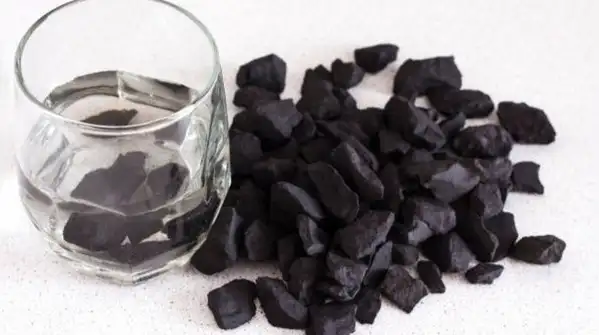
This is easily the most industrially significant use of coconut shells, and it’s a genuinely large-scale business, not just a household trick. When coconut shells are carbonised at high temperatures in a low-oxygen environment, they transform into a highly porous charcoal that’s considered superior to charcoal made from wood or coal for producing activated carbon. That activated carbon ends up in water filtration systems, air purifiers, and industrial purification processes worldwide, valued specifically for its ability to trap impurities, chemicals, and odours far more effectively than alternatives derived from other raw materials.
Beyond activated carbon, plain coconut shell charcoal itself has a long history as both a household and industrial fuel, prized for burning longer, hotter, and cleaner than many conventional alternatives. It’s commonly compressed into briquettes for barbecues and outdoor cooking, valued for its natural aroma and relatively low smoke output, while industrially, it’s also used by goldsmiths, blacksmiths, and in laundries for its efficient, steady burn. With a genuinely high calorific value, it’s considered one of the more efficient biomass fuel sources available from a renewable, otherwise-wasted material. For anyone with a garden, coconut shell charcoal offers a genuinely useful, low-cost way to improve soil health. Once broken down and worked into soil, it helps improve water retention and aeration, creating better growing conditions for plants without needing any synthetic soil additives. Whole or halved shells also get repurposed directly as small planters for succulents or seed starters, or even as simple hanging bird feeders, giving gardeners a genuinely practical, zero-cost use for shells that would otherwise just be thrown away after the coconut itself is used up.