
(Image credit: Canva)
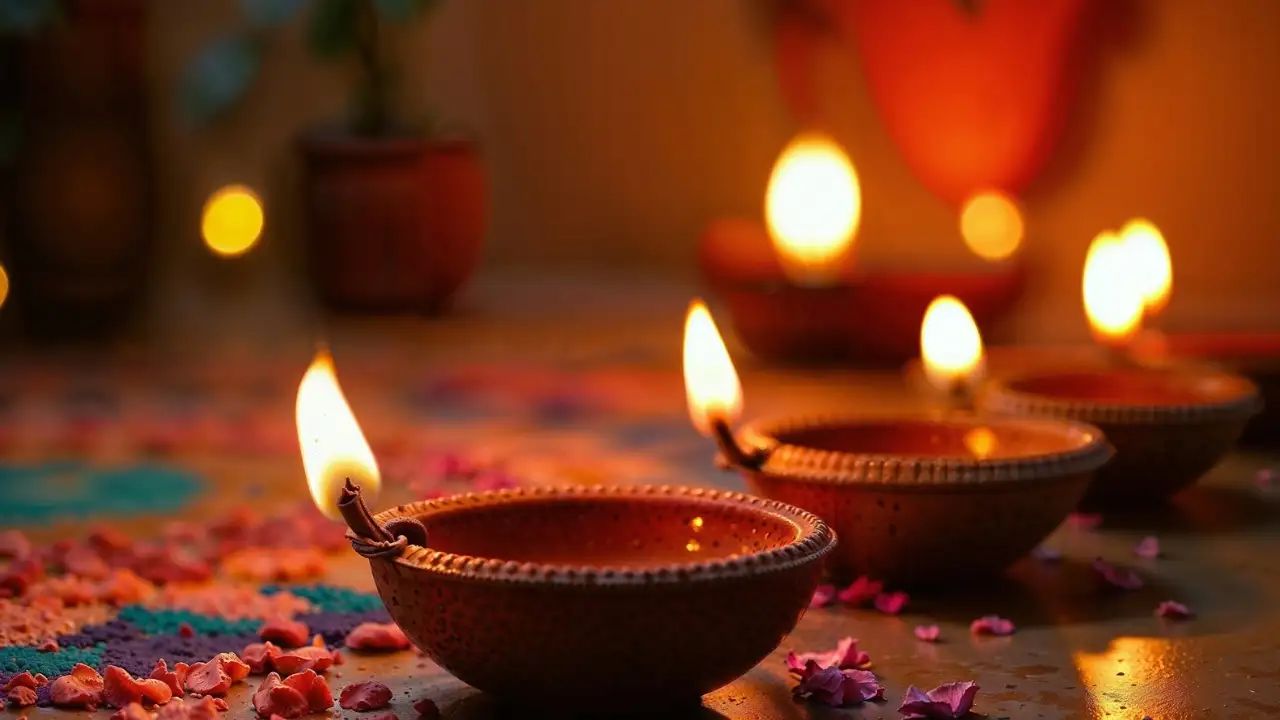
Whether you’re lighting a clay diya or using a copper, brass or steel vessel as a lamp, the practices around reusing it can differ. Copper, brass and steel diyas are often purchased with the intention of reusing them rather than buying new ones for every puja. However, with festivals approaching, we tend to purchase new clay diyas in bulk, not only to support local potter traditions but also to welcome a fresh beginning with new diyas. Clay diyas: Given how widely available and affordable these diyas are, especially when bought in bulk or beautified with the use of paint, many people prefer using new clay diyas during festivals. These are also associated with welcoming a new energy into the home. The cleaning of clay diyas, where they are suitable for reuse, is often recommended through methods such as wiping away the residue and using turmeric water. However, if you do not wish to reuse your clay diya, but want to reuse it, an environmentally friendly method is it can be curshed and mixed with the soil in your potted palnts and garden.
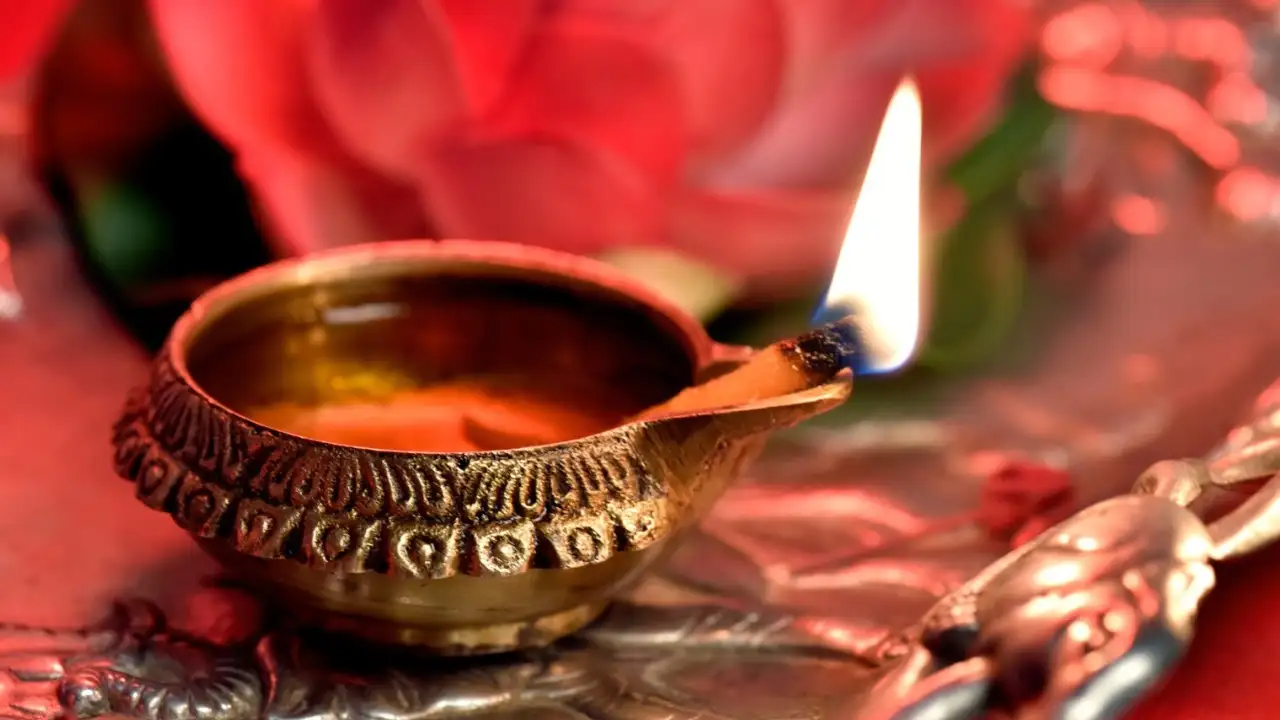
If not cleaned properly, any remaining residue in the diya carries forward the same energy with which it was first lit. This is why cleaning the diya before reuse is an important part of the practice, allowing it to be prepared afresh for the next prayer. There are different types of diyas for different uses, but the practice of cleaning enables one to begin anew in one’s communication and spiritual link with the divine. The manner of placement and the direction in which the diya is placed can also carry deeper meaning in the process of lighting a lamp.