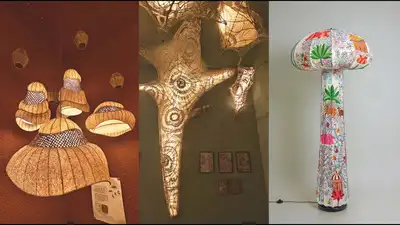
Ashni Studio / Oorjaa / Name Place Animal Thing
Doshi notes, “Post the Covid-19 pandemic, people are prioritising comfort in their busy lives.
Jenny Pinto, founder, Oorjaa, says, “We are seeing a shift from treating paper and fibre as secondary materials to exploring them as materials that define an entire form or spatial experience. Priyam Doshi, founder and principal designer, Name Place Animal Thing, says, “People want something other than just wood and metal. “Material research, prototyping, shaping, assembly and finishing involve close collaboration between designers and artisans,” says Pinto. Mehta says, “We translate natural contours, textures, and fluid forms into organic lighting designs that go beyond conventional lampshades. Doshi says greater exposure to different cultures through social media and travel has also shaped consumer preferences. “Adding these unique pieces to your home also becomes conversation starters, leaving a lasting impression on guests. ” Comfort is another part of their appeal. Ashni Studio Considering the artistic nature of these lights, Nambiar says, “Audiences are approaching lighting as collectable design and art. Doshi says, “Since they are made from translucent materials, they look equally beautiful even when not illuminated. Doshi says, “You don’t necessarily have to use a wet cloth to keep the structures clean.
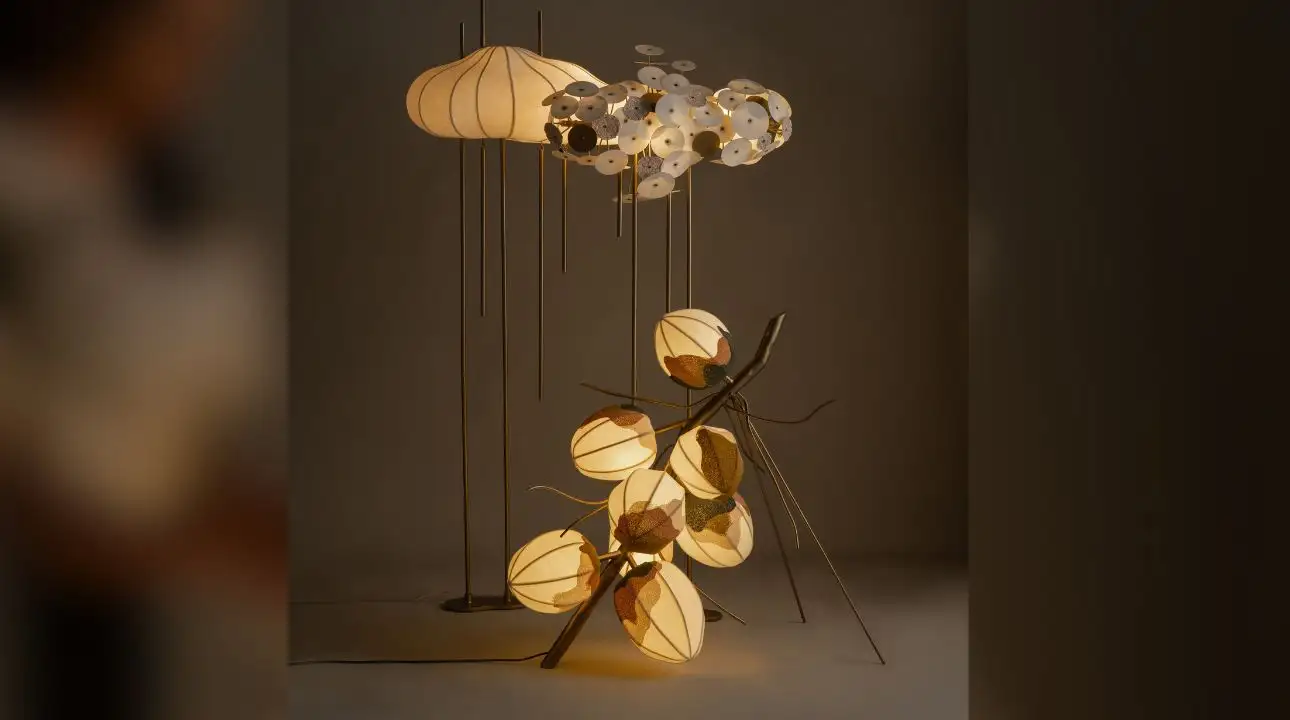
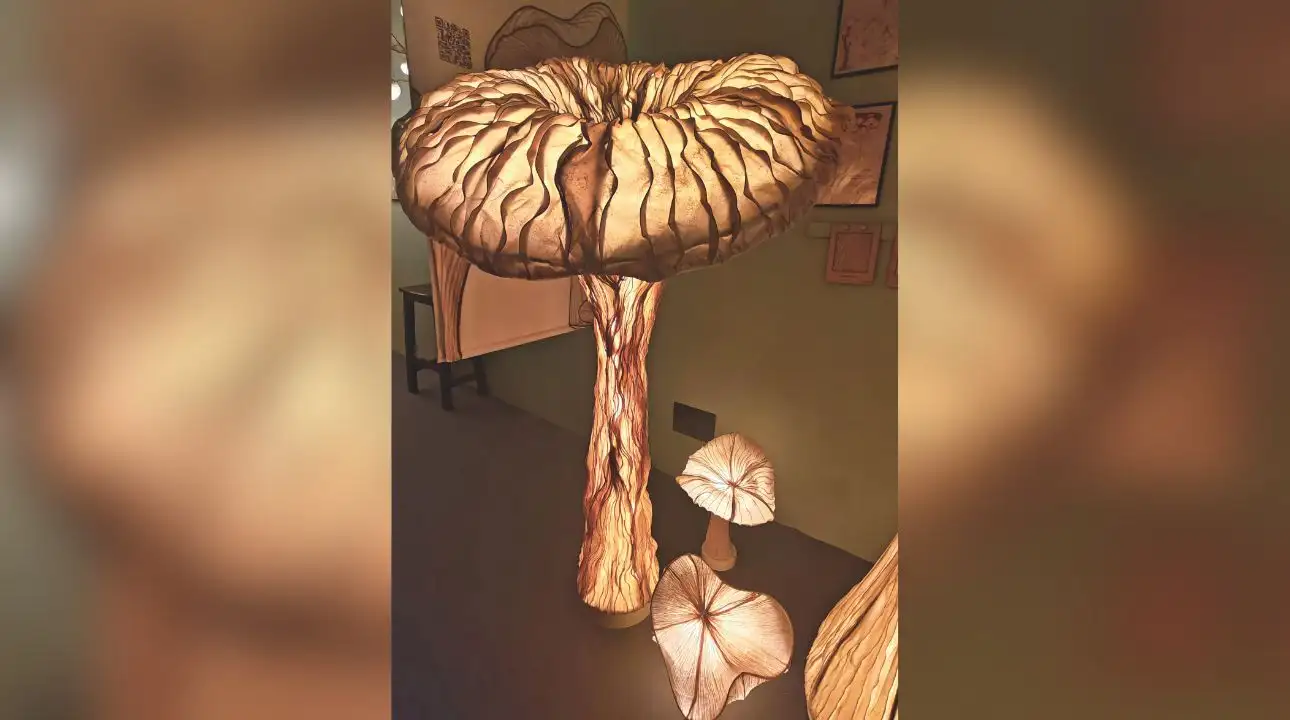
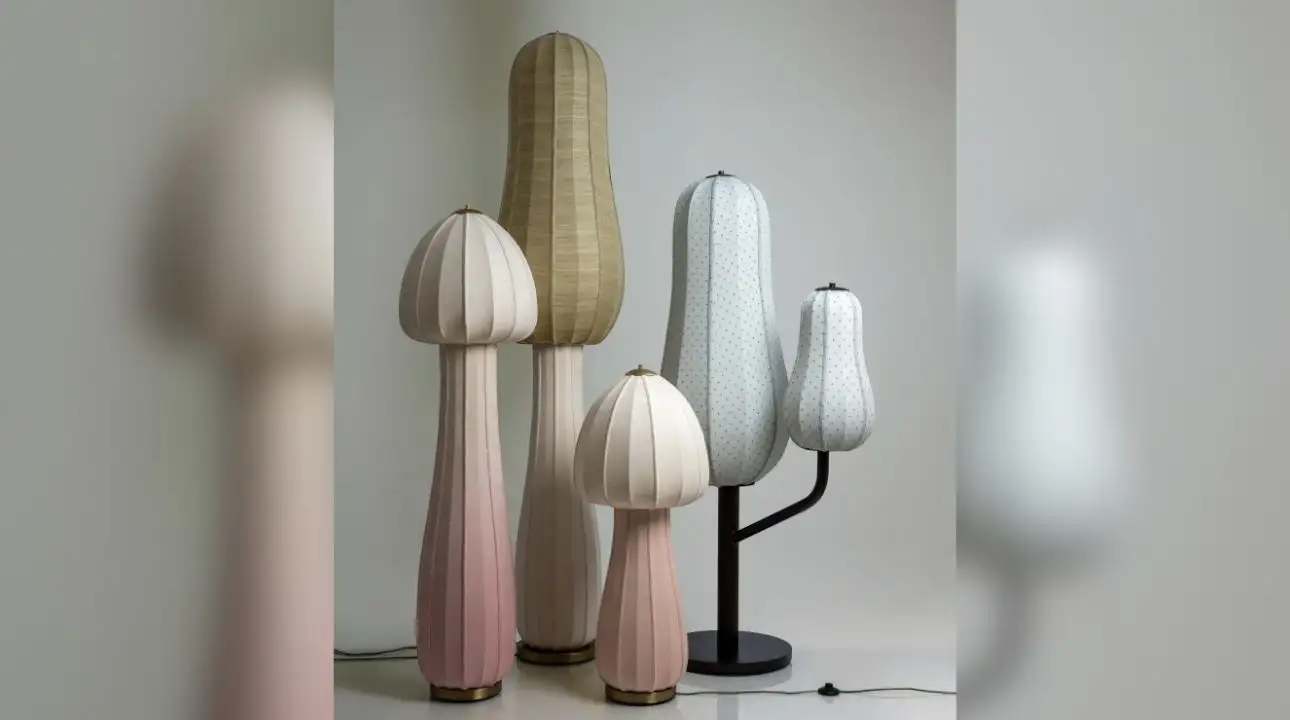
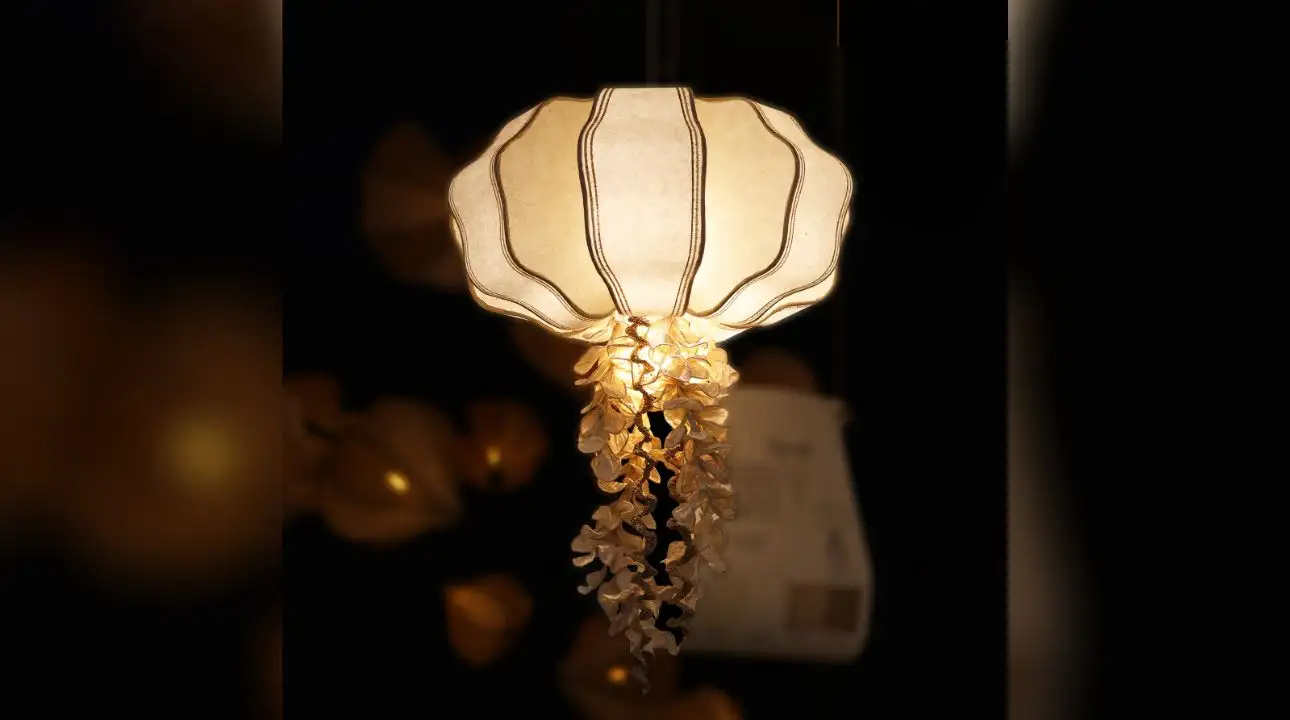
Paper and fabric have long been used in lighting, but designers are finding new ways to work with these familiar materials. Through handcrafted techniques, unconventional forms and experiments with texture, they are creating pieces that go beyond the traditional lampshade. The emphasis is as much on the material and the form it takes as on the light it casts, allowing lighting to become an integral part of the design of a space. The result is lighting that explores the relationship between material, form and illumination. Olie From oversized installations to smaller sculptural pieces, paper and fabric are being used to create a range of forms. We allow their inherent qualities to inform the structure, scale and character of a lighting piece. Priti Mehta, founder, Ashni Studio, explains, “Material exploration is central to the design process. Natural materials such as banana fibre paper, banana bark, banana rope, washi paper, jute, cane and fabrics like raw silk and poplin each offer unique textures and possibilities. diffused glow, textured papers add depth through light and shadow, and woven fibres introduce intricate patterns While banana fibre paper creates a soft. Techniques such as moulding, layering, weaving, fabric mounting, crochet and macramé allow us to experiment with form and texture. Texture is also influencing the way designers approach fabric lighting. They want something more tactile that feels raw, cosy and soft. Even in fabrics, we try to use layered and crushed fabrics, moving away from just simple fabrics which are used to make classic lampshades. ” Handcrafted techniques further add to the appeal of these lights. “Artisanal skill is particularly important when working with paper and natural fibres, as these materials require a sensitive approach to shaping, joining and maintaining consistency across a piece. Much of the innovation lies in rethinking familiar materials and exploring how they can behave in unfamiliar ways. The intention is not simply to make lighting bigger or more expressive, but to understand how form, material and light can work together to shape an environment Jenny Pinto, founder of Oorjaa Oorjaa From honeycomb-like installations suspended from ceilings and mushroom-shaped lamps beside sofas to winged, illuminated forms hanging in bedrooms, nature is a recurring influence in these designs. Pinto adds, “We are increasingly interested in lighting as a sculptural element rather than an object defined by its shade alone. This opens possibilities for forms inspired by botanical structures, organic growth patterns, and the geometries found in nature. Think leaves, mushrooms, mycelial networks, and spider webs. We study the underlying structures and rhythms of these natural forms and translate them into contemporary lighting through material experimentation and handcrafted processes. Name Place Animal Thing Consumers are increasingly looking for distinctive pieces that tell a story and reflect their personality. Often made in limited numbers or on commission, fabric and paper lights feel personal and one of a kind. After a long day at work, they want to return to a home where they can relax. These lights make a space feel soft, comforting and cosy. That, Doshi adds, is what draws people to them. We see these works as pieces to live with, experience and return to, rather than simply as fixtures within an interior. Besides simply illuminating a room, a sculptural light introduces a sense of movement, materiality and atmosphere, becoming an integral part of the architecture. ” The choice of lighting depends on the space and the environment one wants to create. Oversized sculptural pieces can make a striking addition to stairwells, entrances and double-height living rooms, while smaller designs can bring warmth and character to bedrooms and dining areas. These lights also make an impression when switched off. During the day, these pieces have their own unique charm, and in the evening, they are equally appealing but have a different feel. Safety and maintenancePaper and fibre lights are not unsafe. However, they require careful consideration of heat management and electrical components. Material selection, structural planning and appropriate testing are essential to ensure these lights remain safe, durable and functional without compromising their sculptural form. Maintenance, however, need not be complicated. A simple delicate brushing with a dry cloth does the work. You use AI every day. Now get your AI Quotient. Take the AIQ test Get the latest Lifestyle News and more. Download the TOI app.
Amrita Nambiar, artist and founder, Olie, says, “While materials such as paper, fibre and textiles have long been used in lighting, today we see enormous possibilities in how they can be transformed through new techniques, unexpected forms and painstaking hand processes. Today, we are working with more textured fabrics featuring embroideries, hand-painted motifs, and also using dyeing techniques.