
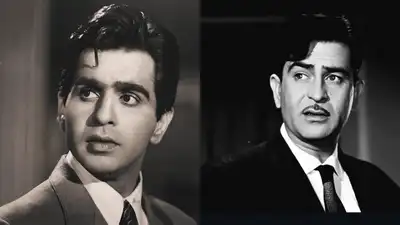
Image credit: Instagram
Dilip Kumar was born Muhammad Yusuf Khan on 11 December 1922 in a modest house in Mohalla Khudadad, just off the main stretch of Qissa Khwani Bazaar. Raj Kapoor was born there on 14 December 1924. Both families left Peshawar long before 1947, seeking better opportunities in undivided India’s film and business centres. Dilip Kumar returned in 1988 and is said to have kissed the floor of his old home.
Qissa Khwani Bazaar, which means the Market of Storytellers, has always been more than a place to buy and sell. His father, Prithviraj Kapoor, was already drawn to the stage while studying in Peshawar, and the family left for Bombay in the early 1930s as BBC reported. Walk through the narrow lanes of Peshawar’s old city and you step into a place that still carries the weight of stories. For centuries, traders, travellers and locals gathered here over cups of hot qehwa to share tales of courage, love and distant lands. Within a short walk of each other stand the childhood homes of two men who later became giants of Indian cinema Dilip Kumar and Raj Kapoor . The bazaar sits in the heart of Peshawar, close to the old city gates and the Bala Hisar Fort. Its name comes from the professional storytellers who once held court in the open squares after the day’s trading ended. Caravans from Central Asia would stop here, unload their goods, and settle in for an evening of narratives that mixed fact with imagination. That habit of listening and retelling never really left the place. Even now, the chai houses and the narrow alleys keep a sense of shared memory alive. It is no accident that two boys who grew up hearing those stories went on to spend their lives telling them on screen. His father, Lala Ghulam Sarwar, ran a fruit business and the family lived among the everyday sounds of the market, the calls of vendors, the clatter of carts, the evening gatherings around the storytellers. Almost next door, in the Dhakki Nalbandi area that rises above the bazaar, stood the Kapoor family house. Yet the bazaar stayed in their stories. Raj Kapoor never managed a late visit, but he once asked that soil from Peshawar be placed with him at the end. The houses themselves have seen better days, one was used as a warehouse for a time, the other stands empty but recent efforts by the Khyber Pakhtunkhwa government aimed to restore them as small museums. What remains is the simple fact that two of Bollywood’s most lasting figures first learned how people talk, listen and feel in the same crowded market that still sells cloth, spices and tea. Qissa Khwani Bazaar continues its daily life of trade and conversation. The stories that once filled its squares now live in films that millions still watch. The street itself has not changed its name or its purpose. It remains a place where ordinary lives and extraordinary careers once began side by side. Looking for trusted parenting advice? Follow TOI Parenting Circle on Instagram for expert guidance, relatable stories, and practical tips delivered every day.
Today, those same streets hold a quieter claim to fame.
The house still stands, narrow and weathered, and in 2014, Pakistan gave it national heritage status, paving the way for conservation. The two boys were childhood neighbours. Their fathers knew each other well, Dilip Kumar’s father and Raj Kapoor’s grandfather, Dewan Basheshwarnath, were friends. The closeness of the houses meant the children shared the same streets, the same games, and the same mix of Hindu and Muslim neighbours that was common in the bazaar before Partition. Raj Kapoor carried the memory of those lanes with him throughout his life.
Young Yusuf spent his first twelve or thirteen years there before the family moved to Bombay in the mid-1930s so his father could expand the trade.