
China urges open, inclusive AI development amid US national security concerns
China Dismisses US Tech Leaders’ AI Development Concerns
China has rejected appeals from prominent American technology executives to slow down artificial intelligence (AI) development. Officials labeled these warnings as ‘fear mongering’ and urged the international community to dismiss them, claiming they exacerbate tensions. This response comes in the wake of an essay by Anthropic CEO Dario Amodei, who called for a more cautious approach to AI advancements, citing concerns that existing security measures are insufficient. High-profile supporters of Amodei’s position include OpenAI CEO Sam Altman and SpaceX founder Elon Musk.
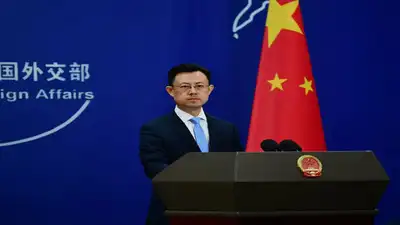
Speaking at a press conference on Monday (September 14), Chinese foreign ministry spokesperson Guo Jiakun countered the narrative that Chinese advances in computing pose a threat to American national security.
Addressing the calls from Silicon Valley leaders to hit the brakes, he stated, “Fearmongering, confrontation and vicious competition will only disrupt the process of global AI governance and serve the interests of no one. ” While Guo avoided mentioning specific monitoring proposals, Chinese state media took direct aim at Amodei’s motives. An editorial published by the state-affiliated Global Times accused the Anthropic chief of weaponising safety concerns to run a “Cold War playbook” against Beijing. Alongside his call for a technological slowdown, Amodei advocated for tighter US chip export embargos on China and demanded an aggressive crackdown on Chinese labs practicing “distillation” – the technique of using the outputs of American models to train competing networks.
Guo emphasised that global development must remain open, inclusive, ethical and universally beneficial. Speaking to CBS News, Amodei acknowledged that the hardest challenge facing his proposal was whether adversarial countries like China would refuse to slow down in tandem. The Global Times pushed back, arguing that the real motivation behind Amodei’s proposals is to lock in a corporate monopoly, protect American tech hegemony through regulatory barriers and push China out of international governance frameworks. The paper warned that boxing China out of global innovation is both hypocritical and short-sighted. Beijing’s critique arrives even as its own domestic officials raise flags over technological threats. China’s state security minister Chen Yixin warned that hostile actors could weaponise automated systems to compromise national infrastructure, political stability and ideological security. Get the latest technology news and updates. Download the TOI App.