
PC: X
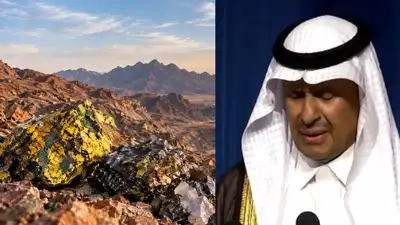
Exploration at Jabal Sayid in the Madinah region has identified an estimated 110 million tonnes of ore containing high concentrations of rare earth elements, particularly heavier varieties, as well as uranium, according to Energy Minister Prince Abdulaziz bin Salman, according to the X post (Formerly Twitter). The announcement was made at the International Atomic Energy Agency’s General Conference in Vienna on September 14. The figure refers to the estimated ore resource, rather than 110 million tonnes of rare earths or uranium themselves. The ministry’s announcement did not mean that all 110 million tonnes could be extracted as commercially usable rare earth material. An analysis from the Center for Strategic and International Studies, drawing on estimates from Saudi Arabia’s Ministry of Industry and Mineral Resources and state mining company Maaden, put the site’s heavy rare earth resources at around 552,000 tonnes. A further 355,000 tonnes were estimated to consist of lighter rare earth elements. US Energy Secretary Chris Wright and Prince Abdulaziz signed the deal on July 22, establishing a framework for long-term cooperation in civilian nuclear energy, according to the US Department of Energy.
Because supplies are concentrated in relatively few parts of the world, heavy rare earths such as dysprosium and terbium are of particular interest. A large mineral resource reported in western Saudi Arabia has added another piece to the kingdom’s expanding plans for critical minerals and nuclear energy.
Those figures place the deposit among the larger known rare earth resources globally, according to the analysis. Saudi Arabia has been developing plans for a civilian nuclear programme while seeking greater control over the resources and industrial capacity needed to support it. The latest announcement comes less than two months after Washington and Riyadh formalised a civil nuclear cooperation agreement. The US Department of Energy described the agreements as providing a legal basis for a multibillion-dollar partnership lasting decades. They are also intended to give US companies greater access to Saudi Arabia’s civilian nuclear programme.