Since 1967, corn buntings have declined by 83% in the UK. But over the decade, the bird population around Martin Down, on the Hampshire-Dorset border, has risen by 346%.
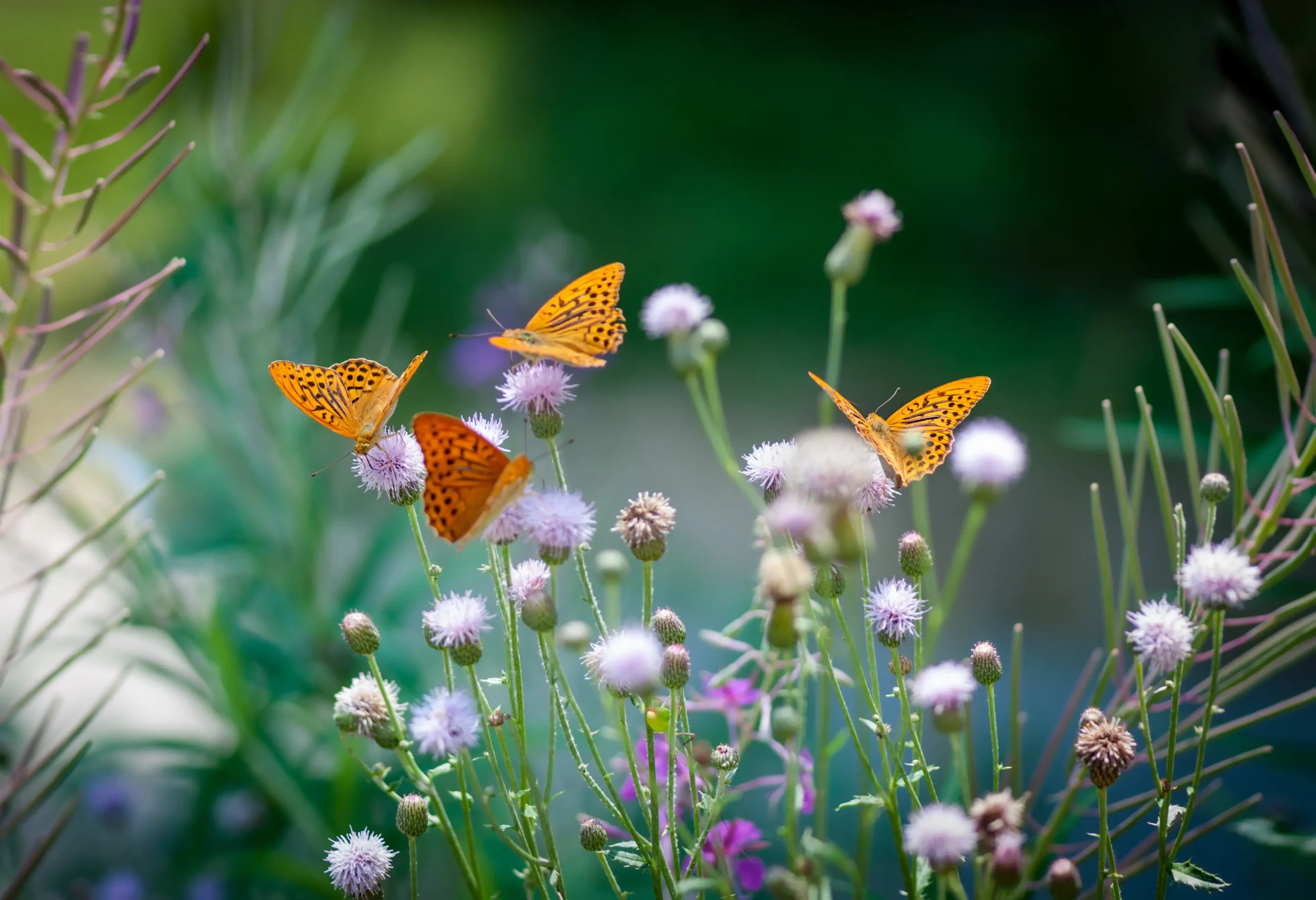
Grey partridges in the same cluster are up 147%. Butterfly abundance has climbed 183%. Two self-funded Farmer Clusters in Hampshire, Dorset and Wiltshire have recorded substantial increases in several farmland species over 10 years of monitoring. These two groups together manage more than 13,500 hectares, which is about 1.3 times the size of Paris. The Game & Wildlife Conservation Trust (GWCT) developed the Farmer Cluster model in 2012. In 2016, there were seven breeding pairs of grey partridges. By spring 2025, that number had risen to 26, a 271% increase. The report also found that butterfly diversity across the cluster went up by 48%. Bumblebee species have increased by 25% over the decade, and surveyors recorded two nationally scarce ones. We are lucky to have Megan, who is hugely committed and has built a trusted relationship with all the farmers over the past 10 years. Biodiversity recovery on a national scale will only be achieved with the right support for the farmers who together manage 72% of the UK; nature reserves only cover 8%, so will not be enough on their own.
Without it, we can’t see if the measures put in place are worth the effort and investment and, more broadly, the Government won’t know if it’s on track to hit its legally binding targets for nature recovery,” Megan Lock, GWCT Senior Farm Environment Adviser and Facilitator for both Farmer Clusters, said.
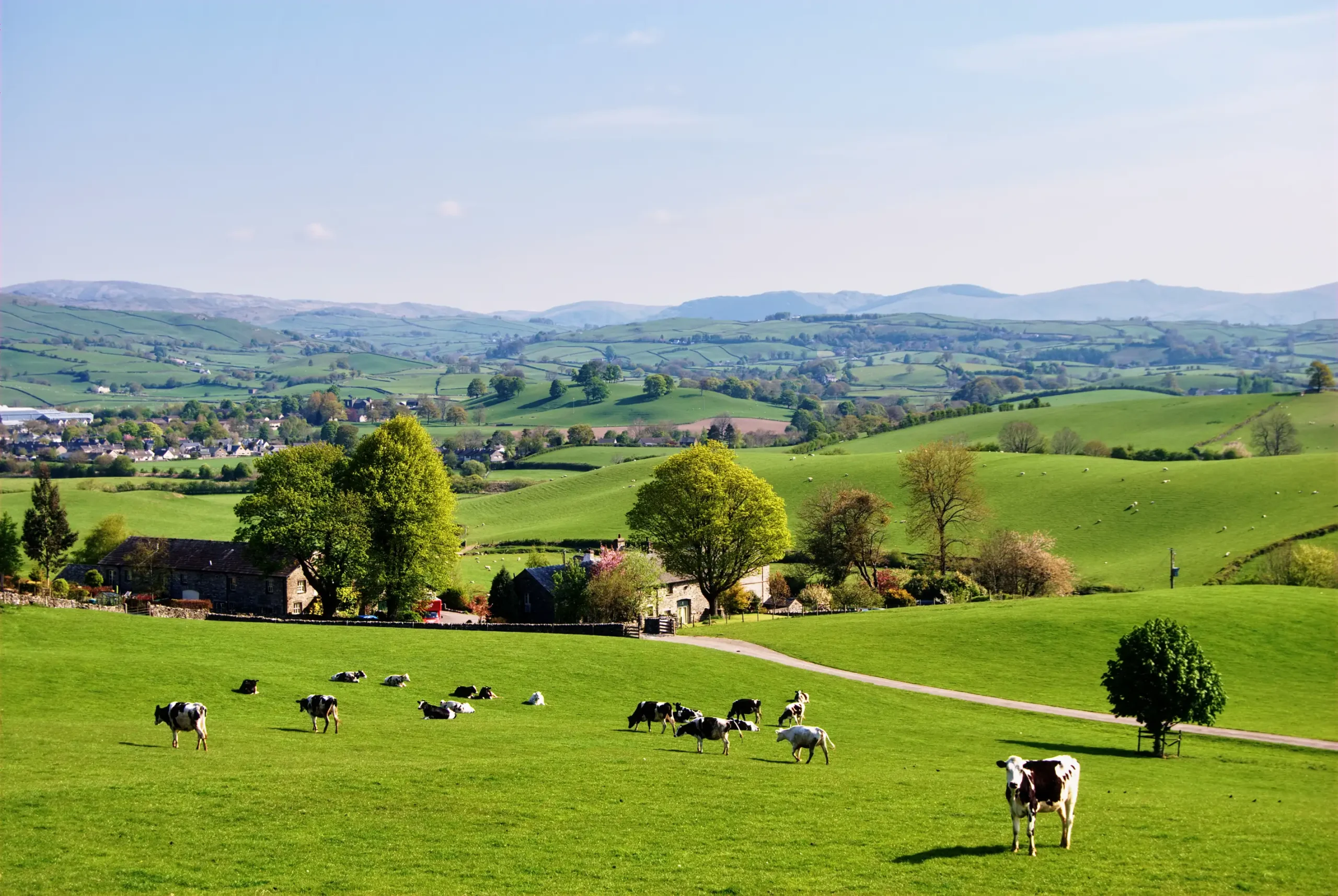
It shows that if you get a determined bunch of farmers focussed on helping a particular range of species with the right facilitator, you can achieve incredible results,” Cathy Shepherd, chair of Martin Down Cluster, said. The red-listed bird is not the only one to benefit. Turtle doves, barn owls, swifts, harvest mice and brown hares have all benefited. And it has happened on working farmland, run by the farmers and estates that make up the Martin Down Farmer Cluster, at a time when the wider countryside keeps losing species. How? Well, farmers came together, created flower margins and water scrapes, and the neighbouring farms work together to connect these habitats across their land. These findings are based on reports on the Martin Down and Allenford Farmer Clusters, supported by the Game & Wildlife Conservation Trust (GWCT). This group brought neighbouring farmers together to coordinate conservation work across their land. They realised that wildlife does not recognise farm boundaries. So, if one farmer creates a strip of flowers for butterflies and insects, it becomes far more useful when neighbouring farmers create similar habitats that connect with it. The farmers have an experienced facilitator who helped them identify opportunities, coordinate projects and monitor the results. For both of these clusters, that facilitator is Megan Lock, a GWCT senior farm environment adviser. She does much of the monitoring herself, helped by a small team of local volunteers. The Allenford Farmer Cluster spans Hampshire and Wiltshire. “The role of the facilitator is essential. That continuity is invaluable. She can see the opportunities but, crucially, rather than a top-down approach, she is out there delivering coordinated conservation on the ground and measuring the impact. Lock’s own argument is about land. “I’m so proud of the efforts of two groups of farms and estates who, by working together, have proved that the Farmer Cluster model, combining sustainable agriculture with species recovery, is the solution to tackling the biodiversity crisis. The data gathering through annual surveying and monitoring to produce these reports is essential. There is currently no financial support for monitoring, which I believe should be funded through new schemes.