
AI Representation: A hidden treasure chest filled with gold and jewellery evokes the Wyoming treasure hunt solved through a cryptic poem. Image credits: Chatgpt
For almost ten years, a bronze box filled with gold and jewelry was buried somewhere in the Rocky Mountains, drawing an estimated 350,000 hunters, according to Heritage Auctions, to roam through the mountains and canyons of America. Forrest Fenn, an art dealer in Santa Fe, hid the treasure in 2010 and published his memoir, The Thrill of the Chase, the same year, launching the hunt. The memoir contained a poem made up of 24 lines and nine clues. The motivation behind the hiding of the chest was his diagnosis with kidney cancer in 1988, which appeared to be fatal initially but turned out to be nonfatal, according to Fenn. The author finally hid the chest in 2010 and published his memoir during the same year so as to cheer people up after the Great Recession. The man discovered the poem in 2018 on Twitter and got obsessed with it to such an extent that he admitted that he was thinking about the poem for hours every day. CBS News Colorado (2022) states that Jack Stuef communicated with Forrest Fenn after locating the chest in June 2020. In the months preceding his death in September 2020, Forrest Fenn publicly disclosed that the treasure was found. He came forward in December 2020 after a U.S, according to court filings. Based on survey responses from a sample of chase participants, King’s study estimated that approximately two million American adults had some association with the hunt, of whom an estimated 433,013 were experienced, competitive searchers. Furthermore, the study revealed that 80% of a well-experienced sample of 249 chasers regarded Fenn and the treasure hunt highly, whereas approximately 10% thought that the chase may turn out to be an addiction for them.
As reported by ABC News (July 2017), the New Mexico State Police Chief, Pete Kassetas, officially requested that Forrest Fenn end his treasure search due to a death incident involving a Colorado pastor looking for the treasure. CBS News reported that at least four people died while searching for Forrest Fenn’s treasure chest. CBS News also reported that a man was arrested after digging up graves in Yellowstone National Park while trying to find the treasure chest.
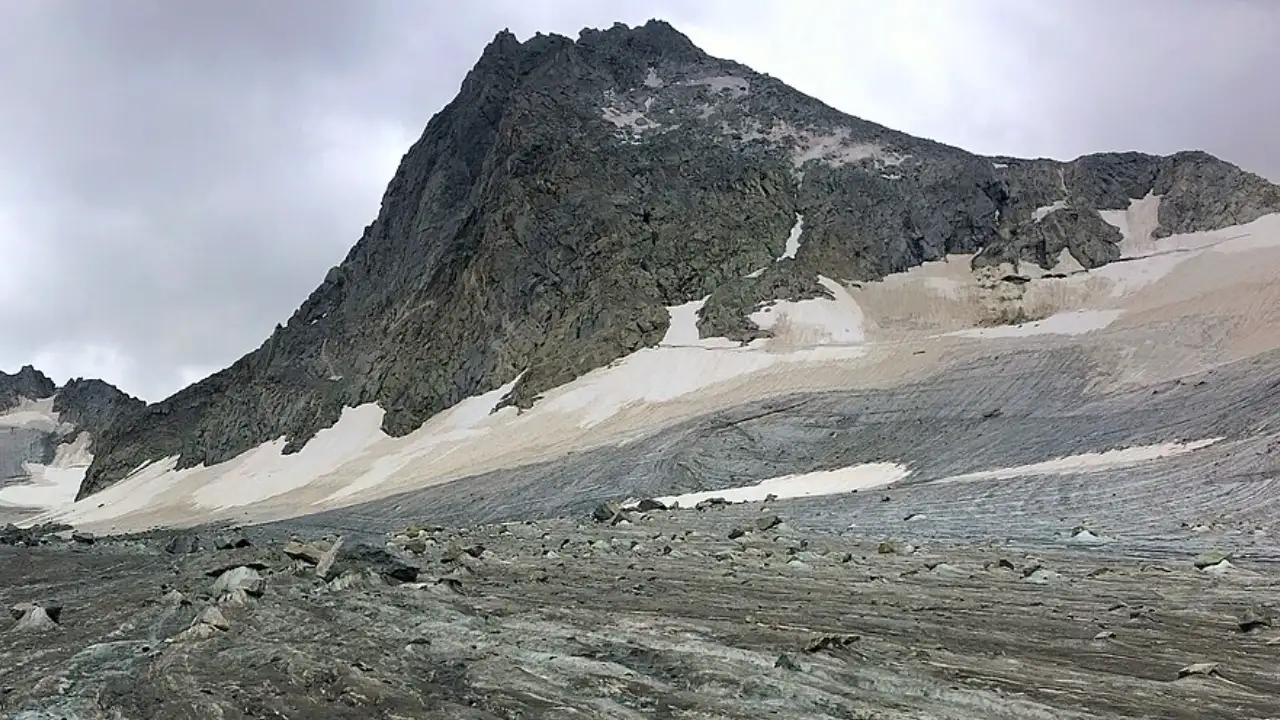
A Michigan medical student located the chest in 2020 According to Daniel Barbarisi’s December 7, 2020, article in Outside magazine, “The Man Who Found Forrest Fenn’s Treasure,” the search ended in June 2020 when Jonathan “Jack” Stuef, a 32-year-old medical student from Michigan, found the chest after decoding the clues in Forrest Fenn’s poem. Fenn ignored the request, as he said that the treasure was indeed real. Stuef’s identity remained confidential for six months. District Court ruling required Fenn’s estate to disclose his name and address as part of a lawsuit filed by attorney Barbara Andersen. The poem was kept in Fenn’s self-published memoir for ten years before anyone could break it, and the sheer volume of the reaction it received became the focus of academic research later on. Psychologist Alan King of the University of North Dakota built a survey of people connected to the hunt and published his findings in Treasure Hunting as an American Subculture: The Thrill of the Chase , in the journal Human Arenas . The search cost some searchers far more than money Indeed, there were many risks involved. Local officials in Wyoming and Montana always commented on the difficulties associated with rescue operations when searchers took marked paths but kept it a secret from everyone, including their families. The north aspect of Split Mountain rises above Mammoth Glacier in Wyoming’s Wind River Range. Image credits: Wikimedia Commons
During December of that year, the new owner enlisted the services of Heritage Auctions in Dallas for the sale of 476 items in an online auction spanning one month. The owner retained a portion of the chest’s original contents, which were excluded from the sale; the remaining 476 lots went to auction. At the close of bidding, all 476 lots sold, with 1,643 bidders participating and a total of $1,307,946 generated. The item that sold at the highest price was an Alaskan gold nugget weighing 549 grams, roughly the weight of nine to eleven large eggs and fetching a sum of $55,200. The second highest-priced item in the collection was a little wax-sealed glass jar alleged to contain a 20,000-word autobiography written in micro-text and placed in the chest by Fenn.
As he revealed in his autobiography, Fenn included the story to ensure that whoever discovered the treasure would also learn something about him, the man who had hidden it. A hunt that outlived its own mystery The precise location of the chest was never officially revealed by Fenn, and even Stuef has kept it to himself, only mentioning that it was somewhere in Wyoming.
The auction sold 476 lots from the collection In an article released by Heritage Auctions titled “Heritage Auctions Opens Forrest Fenn’s Treasure Chest to Collectors”, dated September 19, 2022, the recovered treasure chest and all the objects contained therein were sold to Tesouro Sagrado Holdings, LLC, a private buyer. Jack Stuef did not disclose the sale price, according to Heritage Auctions. This subculture has created a community of devoted bloggers who would analyze every word of Fenn’s poem in order to determine its true meaning. In one of his papers, The Pursuit of Unattainable Goals , published in Possibility Studies & Society, King returned to the same case to build out what he called liminal commitment theory, a framework for understanding why people commit years of their lives to goals that are, by most objective measures, extremely unlikely to be reached. As per the authors, liminality refers to the process of change of identity, which occurs over time through rites of passage. King’s theory of liminal commitment builds on the Fenn case as an example, arguing that just as there are alluring aspects to being a treasure hunter, similar motivations may drive people to pursue other unattainable ventures. Unattainability refers to the distance of the goal from the subject and low levels of perceived attainability. However, some participants of the treasure hunt have speculated that the chest may have been located somewhere in Yellowstone National Park. What Heritage Auctions and King’s research confirm is the scale of the phenomenon: a self-published poem drew hundreds of thousands of people into the hunt, and the treasure was eventually found years later. Catch the latest World News and Live updates. Download the TOI app.