
PC: PBS
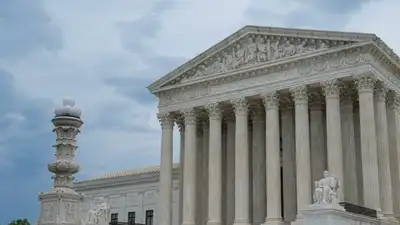
As reported by the Associated Press (AP), after the dispute moved through Kentucky’s courts, the US Supreme Court agreed on October 1, 2026, to consider the case, bringing a local planning disagreement into a wider legal debate over religious freedom and land use. The Supreme Court’s decision to hear the case, announced on October 1, 2026, means the justices will examine the legal questions raised by the competing arguments. A proposed shrine to the Virgin Mary has brought a Kentucky church group into a dispute over residential zoning, with the case now heading to the highest court in the United States. The Missionaries of Saint John the Baptist, a nonprofit formed by Roman Catholic priests, wants to build the religious structure on a neighbouring plot it purchased for that purpose. Residents challenged the plan, raising concerns about the effect on their neighbourhood and whether local zoning rules had been properly applied. The proposal faced opposition from a family living in the neighbourhood. Reportedly, the family raised concerns about traffic and argued that the shrine could add to existing problems in the area. It challenged the local zoning board’s decision in state court, ultimately securing a ruling against the church group’s plans. The ruling left the Missionaries of Saint John the Baptist unable to rely on the variance to move forward with the project. The organisation subsequently sought review by the US Supreme Court, arguing that the state court had interpreted federal protections for religious land use incorrectly. The opposing family has maintained that the church group knew the property was covered by zoning restrictions that prevented the proposed use when it bought the land. It has also questioned why the shrine could not be constructed on property already belonging to the church rather than on a neighbouring residential plot. The neighbourhood family has opposed the appeal, arguing that the case does not warrant intervention by the Supreme Court. Its position is that the dispute concerns a local zoning decision and that the church group has not established why the proposed shrine must be built on the residential property. The court is expected to hear oral arguments in the coming months, although its decision will determine how the dispute proceeds from there. Here, the immediate question concerns a specific piece of land in a Kentucky suburb, but the legal arguments reach beyond the proposed shrine itself.
The case adds to a series of matters before the court involving the relationship between religious rights and government authority.