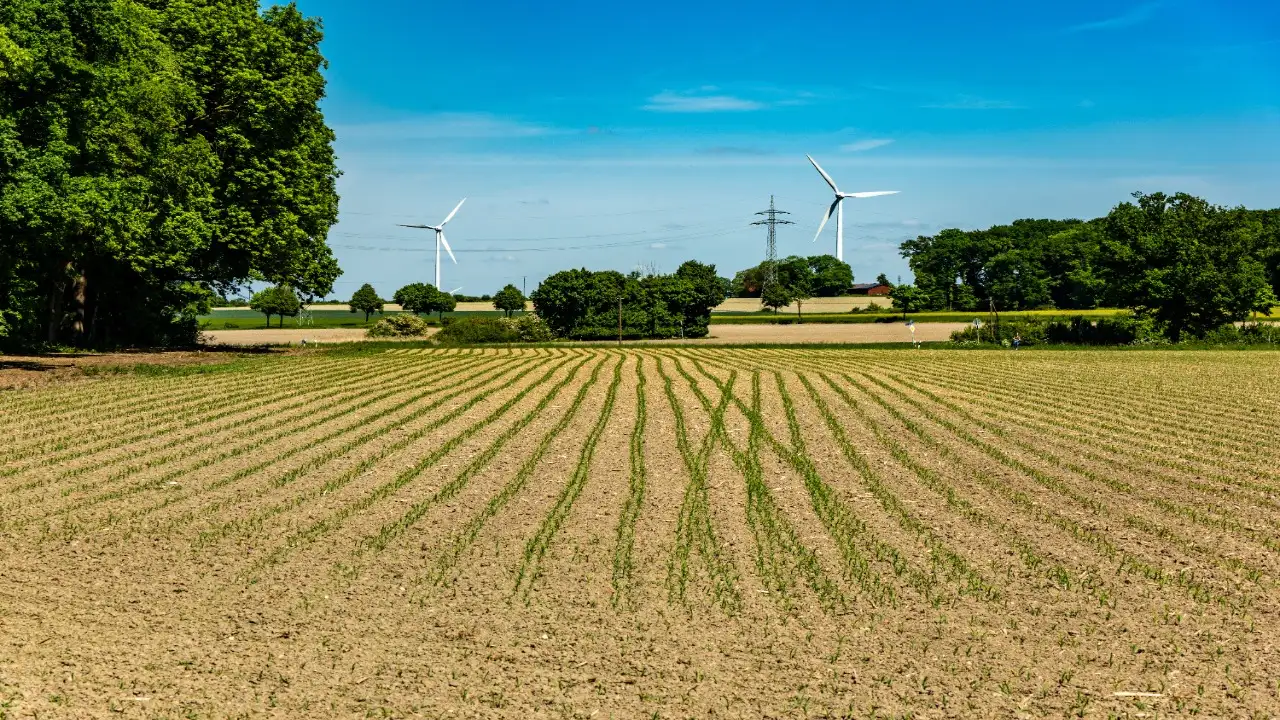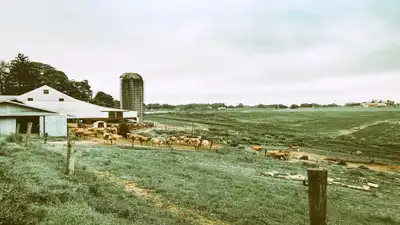
Representative image of a dairy farm. (Image Credits: Pexels)
As per Farm and Dairy, Perkoski’s dairy installation comes from his wider experience with solar energy, which began around 15 years earlier when he installed 200 panels at his home. Later in 2021, he began a separate solar farm on 48 acres with 8,000 ground-mounted panels in Jefferson Hills, Pennsylvania, which supplied electricity to Duquesne Light Company. How USDA funding supports farm energy projects REAP was established through the 2008 Farm Bill, which initially received $255 million in funding. Farm and Dairy reported that the Inflation Reduction Act, passed in 2022, subsequently provided more than $2.3 billion in additional investment for the programme. The USDA estimates the project could generate 2.7 million kilowatt-hours of electricity annually, equivalent to the power used by 252 homes of electricity annually, equivalent to the power used by 252 homes.
The funding also extends to energy systems that use agricultural waste. Anaerobic digesters process organic material, including farm waste, to produce biogas that can be used for energy. Replacing the engine was intended to support the farm’s ability to generate electricity from this system. These projects show the various ways REAP funding can help farms address energy costs while maintaining equipment that converts agricultural waste into power.