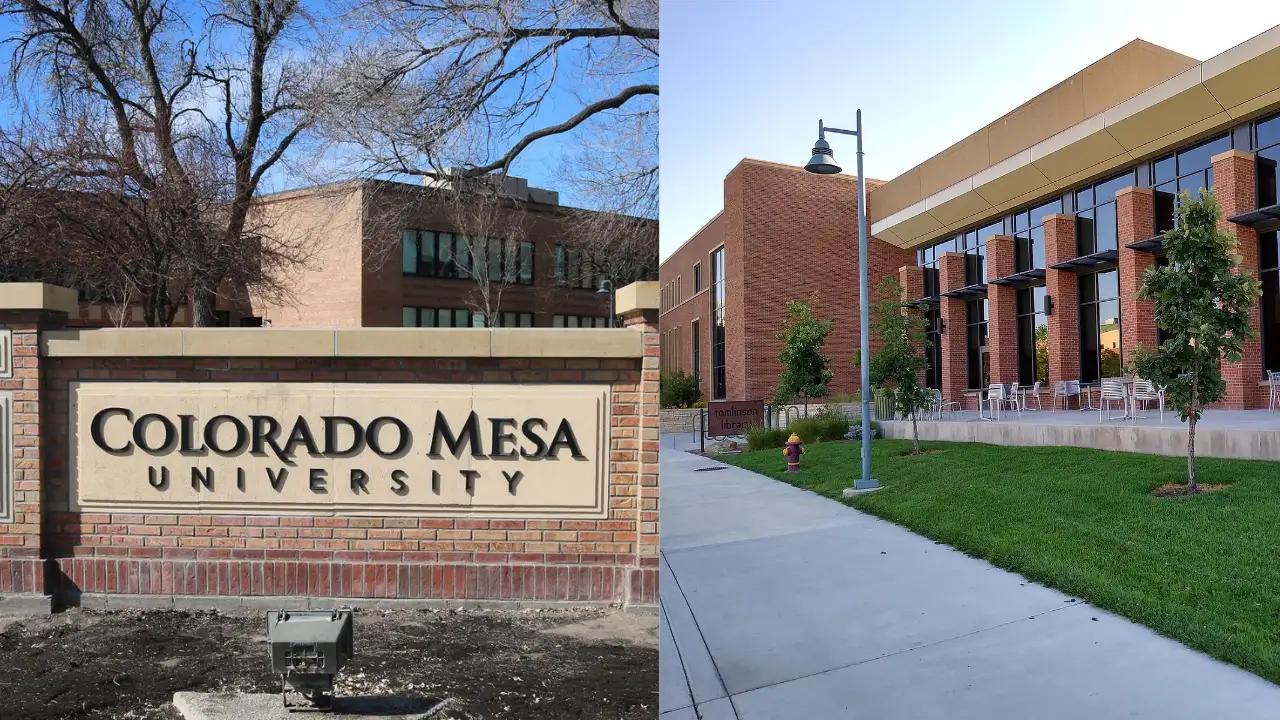
Colorado Mesa University, Grand Junction: The university has expanded its underground geo-exchange system as it adds more buildings to the network | Wikimedia Commons
The system currently connects 16 buildings and serves about 1.2 million square feet of space, and the U.S. Department of Energy says it saves the university about $1.5 million in energy costs each year. The underground infrastructure uses the relatively stable temperature of the ground as part of the process of moving heat between buildings. Colorado Mesa University, Grand Junction: The university has expanded its underground geo-exchange system as it adds more buildings to the network | Wikimedia Commons Colorado Mesa began planning its geothermal system in 2007, when the university was preparing Dominguez Hall. The first installation used a borehole field about 500 feet below campus and was connected to the single new building. The Department of Energy says that the system provides about 90% of the heating and cooling that is required to operate the campus. Colorado Mesa University’s own current description lists 16 connected buildings, 2.5 miles of central loop pipe and 1.2 million square feet of academic and auxiliary space served by the geo-exchange system. It also reports annual energy-cost savings of about $1.5 million. In 2026, the university reported that its thermal energy network was being expanded beneath the rugby pitch, and hundreds of additional underground wells and miles of piping were planned to connect nearby residence halls and other buildings. The Department of Energy’s case study puts total energy-cost savings at $15.9 million since 2008, while the university’s current figures put annual savings at about $1.5 million.
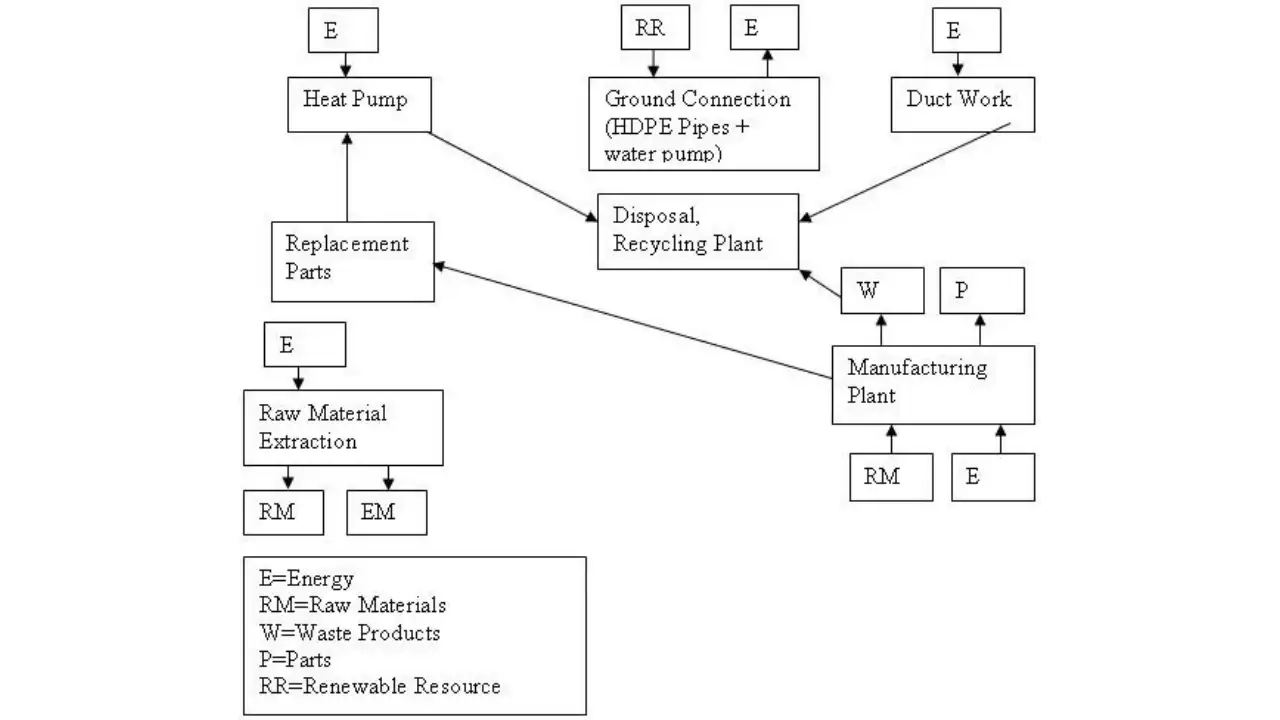
The university said that the expansion would allow heat energy to move between buildings based on demand and could store heat underground when it was not immediately needed. Hundreds of boreholes form the underground part of a geothermal heating and cooling network beneath Colorado Mesa University’s campus in Grand Junction, Colorado. The installation began with a single borehole field beneath the campus, and it has since grown into a larger network connected by a central loop that runs across the university. The building needed to meet energy-efficiency requirements to receive state capital construction funding. University officials and their design teams selected geothermal heat pumps instead of installing a conventional heating and cooling system. The system uses geothermal heat pumps and a closed-loop network to transfer heat, and during cold weather, the ground provides a heat source for the buildings. During warmer periods, the system reverses the process and moves heat away from buildings, and that makes the same infrastructure useful for both heating and cooling. When the central loop becomes too warm, excess heat can also be transferred to the university’s Olympic-sized swimming pool and irrigation system, which serve as heat sinks. Colorado Mesa has continued to add facilities and expand the underground infrastructure.