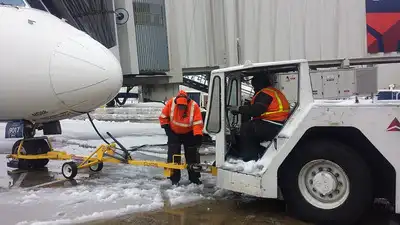
Philadelphia International Airport. Image credits: Wikimedia Commons
The International Society for Concrete Pavements reported that the Philadelphia International Airport project used approximately 90,000 cubic yards of foamed glass aggregate. AeroAggregates’ Archie Filshill told the ISCP article that the material diverted the equivalent of more than 83 million glass bottles from landfills and reduced delivery-truck trips by 6,000. The airport announcement about winning the award uses the same amount of aggregate and 85 million bottles. The airport’s award announcement gives the same 90,000 cubic yards but puts the diversion at 85 million bottles. It adds that the material came from a manufacturer only six miles from the airport, which led to an 85% reduction in shipping-related greenhouse gas emissions, though it does not explain how that figure was calculated. Schedule savings of six months to a year, depending on the measure and the source In a later Engineering News-Record article, Airport Apron Project Using Glass Aggregate Finishes Early , published in September 2022, Allen said the standard route would have added 6 to 12 months depending on the rate of settlement. He said the foamed glass aggregate cut the site-preparation phase from nine months to three and turned a 2.5-year project into about 18 months of construction. Nine months down to three is a six-month saving, matching the airport’s figure, while 2.5 years down to 18 months is a saving of about 12 months, the top of Allen’s 6 to 12 month range. Contractor executive Rick Foster told the ISCP article that the material compacts with a dozer instead of a roller, and the same article quotes Filshill saying crews can place 3,000 cubic yards a day instead of the typical 1,000, regardless of weather. Reporting differences: 82,000, 90,000, and 100,000 cubic yards Reported volumes differ by source. The airport and the ISCP article give about 90,000 cubic yards, while Engineering News-Record’s September 2022 article quotes Filshill putting the job at 100,000 cubic yards, and the Construction Equipment Guide gave 82,000. Engineering News-Record reported that the project was first proposed in 2017 and had a planned completion date of 2020, but closures during the COVID-19 pandemic held it up. Contract work began in late 2020, according to the ISCP article, and the foamed glass aggregate then shortened the site-preparation phase.
Because the material arrives in 100-cubic-yard trailers, access to the site had to be managed carefully, rick Foster noted a separate site issue in the ISCP article:.
Shorter construction and fewer heavy equipment trips cut emissions further, the announcement says. This project won the “Airports Going Green” Outstanding Sustainability Infrastructure Development Award in 2022. Rick Foster told the ISCP article the material could shave a year off the job compared with wick drains and surcharging.
These figures regarding bottles are estimates from different times. These figures measure different things. None of the sources explains the gap, which may reflect estimates made at different stages of the project. You use AI every day. Now get your AI Quotient. Take the AIQ test.
An aircraft apron needs a stable base, but at sites with soft, compressible soil, the weight of fill and pavement can cause settlement. The soil compresses slowly over months, so builders may need to wait for that movement or treat the ground before paving, which adds time to a job that an airport usually wants finished quickly. Glass bottles posed a second problem. Once collected in bulk, they had to be recycled or they would simply be buried. One airport tied the two problems together by using a very lightweight material made from bottles. The remaining overnight apron at Philadelphia International Airport
Philadelphia International Airport’s newsroom describes the remaining overnight apron as a 58,000 square foot project on the northwest corner of the airfield, next to the FedEx facilities in Cargo City. Philadelphia International Airport held a groundbreaking ceremony for its new aircraft parking apron on July 14, 2021, after contract work had begun in late 2020. A May 2021 International Society for Concrete Pavements article by Amy M. The article states that the aggregate is made from 100% post-consumer recycled glass and is 85% lighter than quarried aggregate, and that, unlike styrofoam-based lightweight fills, it is not flammable or degradable. Ninety thousand cubic yards and an estimated 83 to 85 million bottles diverted from landfills The airport newsroom says the lighter material eliminated the need to consolidate the soil beneath the surface, removed the waiting time for settlement, and shaved six months off the schedule.
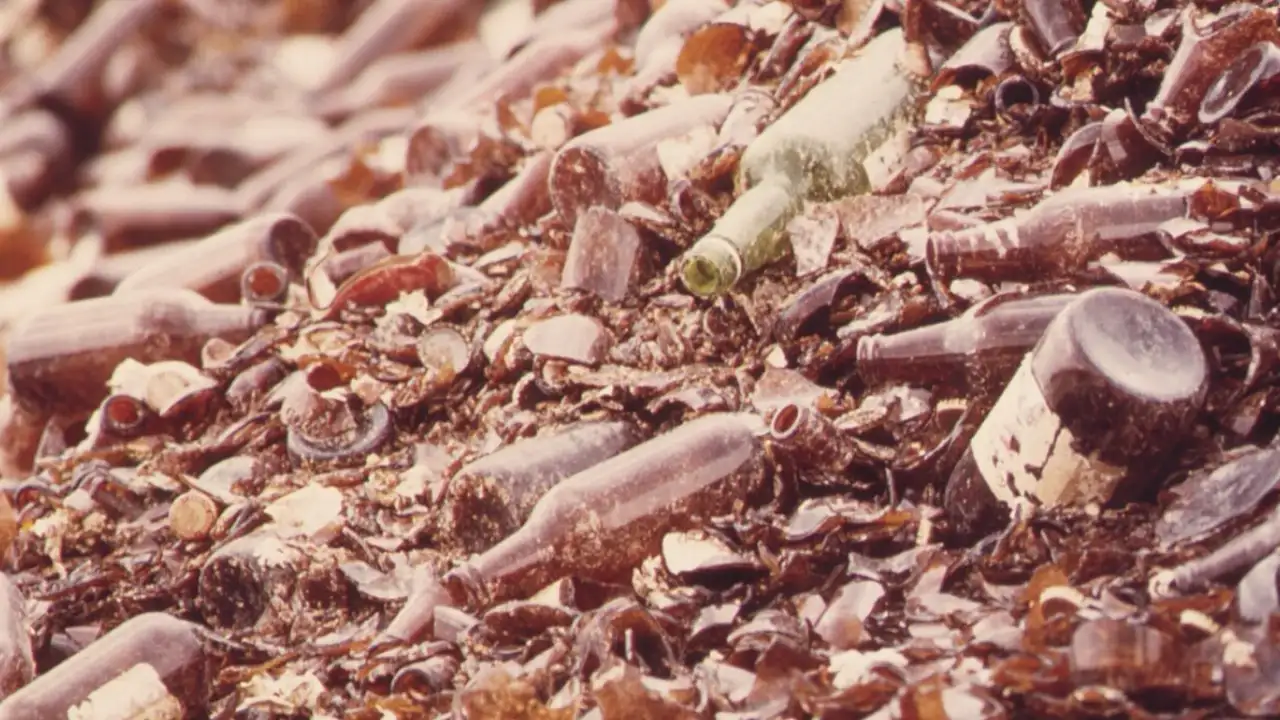
Larry Allen told the ISCP article that surcharging, wick drains and other methods were considered, and that the foamed glass aggregate saved at least six months compared with the next fastest option, surcharging with wick drains. Designed to accommodate up to eight planes, the apron used ultra-lightweight foamed glass aggregate to reduce pressure on the underlying soil and address settlement concerns. Site conditions explain that choice. Dean quotes airport senior project manager Larry Allen saying the site near the Delaware River has a high water table and soft soils, creating a high risk of settlement. How bottles become foamed glass aggregate The same article describes how the material is made. Glass bottles of any size and color are taken to a plant, milled into powder, and mixed with a foaming agent. Glass bottles ready to be fed into the crusher. Image credits: Wikimedia Commons