
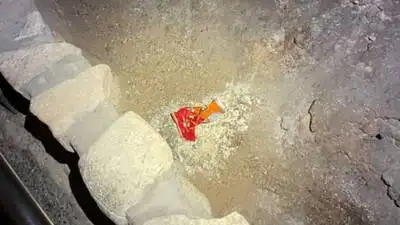
A discarded Cheetos bag triggered fungal growth inside Carlsbad Caverns. (Photo: NPS)
In the summer of 2023, a visitor dropped a bag of Cheetos inside Carlsbad Caverns National Park in southeastern New Mexico, inadvertently disturbing the delicate ecosystem of one of its caves. Speaking to National Geographic at the time, park guide Ashley Parsons explained that humidity levels inside the cave typically range from 90 to 100 per cent, allowing the discarded food to become soggy quickly. Ward of the National Park Service also described the consequences in an interview with KCRW in November 2024. The cleanup took approximately 20 minutes, according to the account shared by the National Park Service.
The incident demonstrated how even small amounts of foreign material can have an outsized impact on an isolated natural environment, according to the National Park Service (NPS). A seemingly harmless snack can have unexpected consequences for the natural world. The incident took place in the Big Room, an enormous underground chamber known for its striking stalactites and stalagmites. it created conditions that encouraged microbial growth and attracted other organisms, prompting park rangers to intervene While the discarded snack bag might have appeared insignificant to a visitor. The cave’s high humidity played a crucial role in what happened next. The processed corn in the Cheetos softened in the damp conditions, providing a source of nutrients for fungi and microbes. In a Facebook post describing the incident, the National Park Service explained that the snack residue created an environment in which microbial life and fungi could thrive. Cave crickets, mites, spiders and flies subsequently gathered around the area, forming a temporary food web as nutrients spread into the surrounding cave environment. The incident illustrates how introducing food into an environment that is largely isolated from the outside world can alter the natural balance, even when the amount of material involved is relatively small. Carlsbad Caverns’ humid conditions helped the snack residue break down and supported the growth of fungi and mould. Joseph C. He explained that fungi and mould began growing around the site where the bag had landed, attracting other life forms, including mites, springtails and cave spiders. After discovering the discarded bag and the growth around it, park rangers assessed how best to remove the material without causing further damage to the cave. They collected nearly all the spilled snack material and used a toothbrush to remove the rings of mould and fungi that had developed around the affected area. The National Park Service used the episode to remind visitors that their actions can have consequences far beyond what they can immediately see. The agency acknowledged that some impacts of tourism are difficult to avoid, such as the tiny fibres of lint left behind by people walking through a cave. However, it stressed that other forms of damage, including dropping food or leaving litter behind, are entirely preventable. You use AI every day. Now get your AI Quotient. Take the AIQ test.
The NPS also noted that mould spread across nearby surfaces before the organisms eventually died and decomposed, continuing the cycle of nutrient transfer.