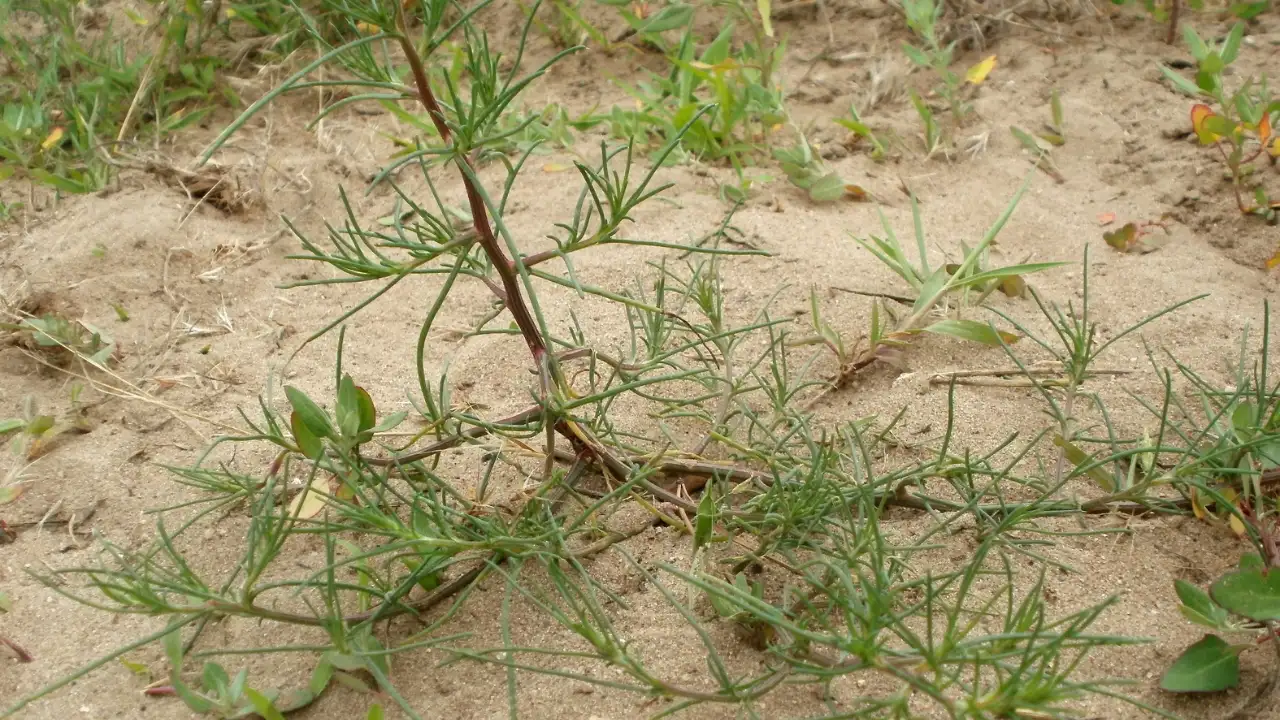
Its first known North American appearance was in South Dakota, where it found a landscape increasingly altered by farming | Wikimedia Commons
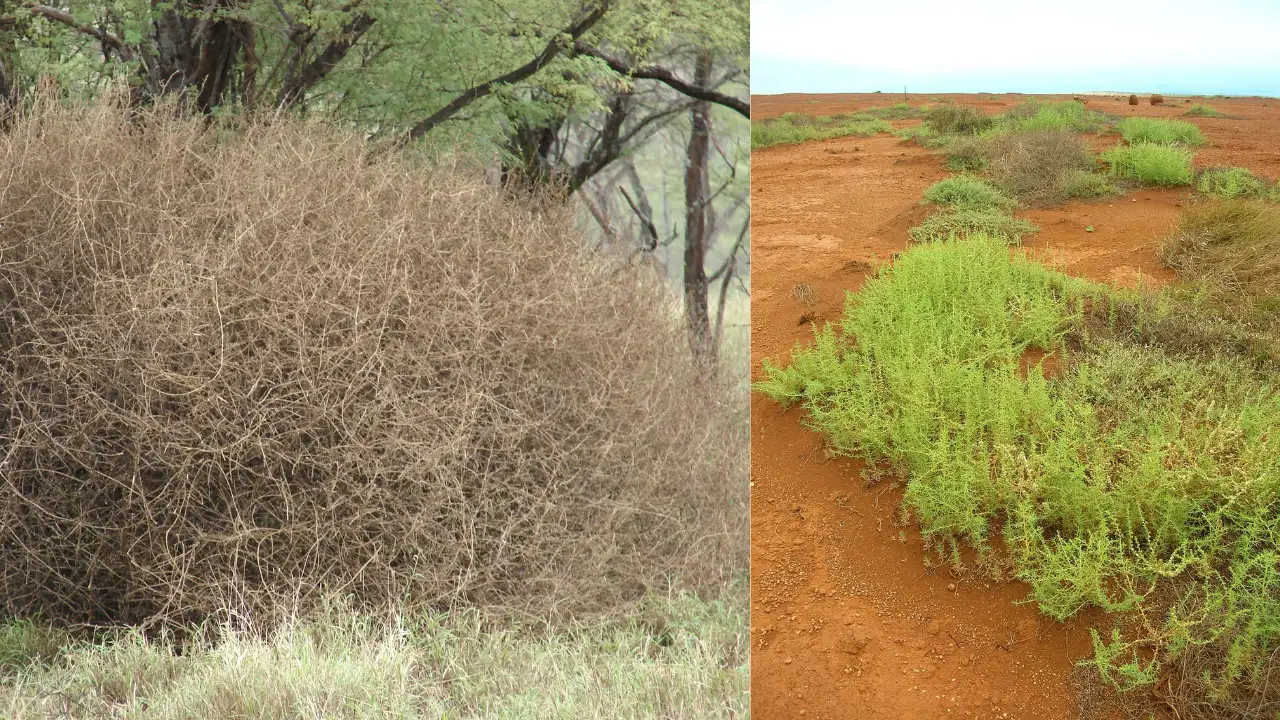
The USDA Agricultural Research Service has described Russian thistle as an invasive alien weed that occupies about 100 million acres in the western United States. In 2025, the USDA’s Animal and Plant Health Inspection Service described Russian thistle as an alien annual weed that was infesting about 41.3 million hectares, which is equivalent to 100 million acres, across the western United States. The Natural History Museum in London describes Russian thistle as one of the fastest plant invasions in US history. By the beginning of the 20th century, it had reached California, where disturbed landscapes that were created by agriculture and overgrazing gave it additional territory. Its spread also coincided with a period when large areas of the Great Plains were being transformed for agriculture. Loose soil, reduced competition from native grasses and dry conditions created an environment in which Russian thistle could establish quickly, and by the time farmers understood the scale of the invasion, the plant was no longer confined to the place where it had first appeared. Its documented effects include infestations of fallow fields, blocked irrigation systems, traffic hazards and increased wildfire risk. The agency was evaluating the use of the blister mite Aceria salsolae as a biological-control agent to reduce infestations.