
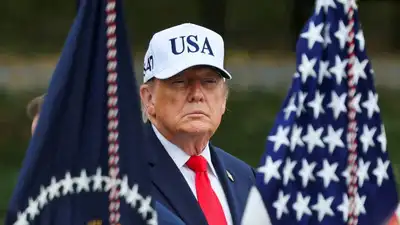
Trump’s midterm defeat exposes growing divisions within MAGA, with supporters questioning his leadership, policies and the movement’s future
An analysis of 12,850 social media posts by PeakMetrics found that nearly a third of posts assigning blame for the Republican defeat cited concerns over the Iran war and Israel’s influence on US policy.
Former national security adviser Mike Flynn described the election outcome as “a massacre” and criticised the administration for failing to fulfil promises on lowering living costs and releasing the Epstein investigative files. The Republican Party’s crushing defeat in the US midterm elections has triggered a wave of introspection and dissent within President Donald Trump’s Make America Great Again (MAGA) movement, with some supporters questioning his leadership and others debating whether the movement can survive beyond him. Another quarter blamed Republicans who were not fully committed to the MAGA agenda.
Supporters divided over movement’s future
More than 20% of self-described MAGA loyalists who discussed the results online expressed doubts about the movement’s leadership and direction, according to an analysis of social media activity by data intelligence firm PeakMetrics for Reuters. The electoral setback has exposed growing differences within Trump’s political coalition, which has been a defining force in American politics for nearly a decade. others have directed their anger at his advisers, Republican leaders and the administration’s failure to deliver on key promises While some supporters blame the president for the losses. Voters’ concerns over rising fuel prices, the Iran war and corruption in Washington were among the factors behind the Republican setback. Some MAGA supporters also criticised the administration over the failure to release significant portions of investigative files relating to late sex offender Jeffrey Epstein. Around half of this group continued to support MAGA but no longer backed Trump as its leader. Steve Bannon, a prominent MAGA supporter and former White House adviser, called for rebuilding the movement by doubling down on its populist and nationalist positions. He also backed Trump’s decision to appoint Stephen Miller, the architect of the administration’s hardline immigration policies, as chief of staff. The administration’s handling of the Iran war and economic concerns have emerged as major sources of discontent among Trump’s supporters.