

They told your parents what you’d done. There was probably a time when you couldn’t imagine getting through a single day with your sibling without fighting. They took your things without asking. They got the bigger piece of cake. They embarrassed you in front of your friends. And somehow, no matter how many times you promised yourself you’d never speak to them again, the next morning you were sitting beside them at breakfast as if nothing had happened. That is the strange thing about growing up with a sibling. They can be your biggest rival and, years later, become one of the people you trust most. The relationship often changes so quietly that you don’t even notice it happening. The person who once annoyed you for simply existing becomes the one you call when something goes wrong. You may not speak every day. You may live in different cities, have completely different personalities or even have gone through periods when you barely understood each other. But when life becomes difficult, there can be a strange comfort in knowing that this person remembers where you came from.
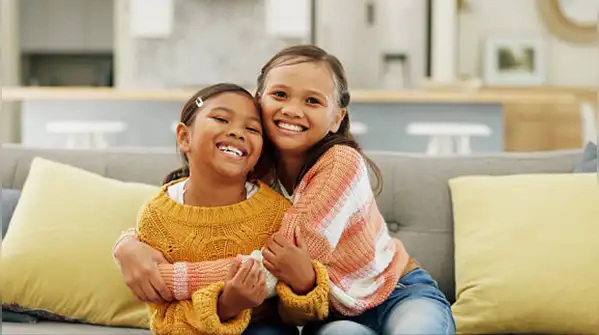

A 2005 study of adolescents and young adults found that as people moved into emerging adulthood, they spent less time in joint activities with their siblings but reported greater emotional involvement and warmth. A study of 608 older adults found that sibling warmth was associated with less loneliness, while sibling conflict was associated with greater loneliness and symptoms of depression, anxiety and hostility. Because siblings suddenly start spending every weekend together, so the relationship doesn’t necessarily become closer. Because the nature of the connection changes, sometimes it becomes closer. Because they remember how hard you worked to get there, the person you call when you have good news.
They also reported less intense conflict and rivalry.
There is less “You stole my clothes” and more “Are you okay? Adulthood has a way of changing family relationships. You leave home. You start working. You fall in love. You get married. You have children. You deal with money problems, career disappointments, ageing parents and the ordinary exhaustion of being an adult. And suddenly, your sibling isn’t the person competing with you for your parents’ attention anymore. They’re someone who understands the family history without needing it explained. They know what your childhood home smelled like. They remember the relative who used to visit every summer. They know which family stories make you laugh and which ones you’d rather forget. They remember your awkward teenage years and the version of you that existed before you had a career, a relationship or a carefully constructed adult identity. That shared history can become surprisingly valuable. Less competition. More understanding. The sibling who once irritated you may eventually become the person who sits beside you in a hospital waiting room. The person who knows which parent needs extra care. And sometimes, they’re the person who can make you laugh at a moment when you desperately need it. The researchers described sibling relationships as among the longest-lasting relationships most people have. Maybe that’s why the sibling bond can feel different with age. When you’re young, you think your sibling is simply the person who happens to live in the same house. When you’re older, you may realise they’re one of the few people who has been there for almost every version of you. And perhaps that is why the sibling you couldn’t stand as a child can, years later, become the person whose presence feels strangely like home.