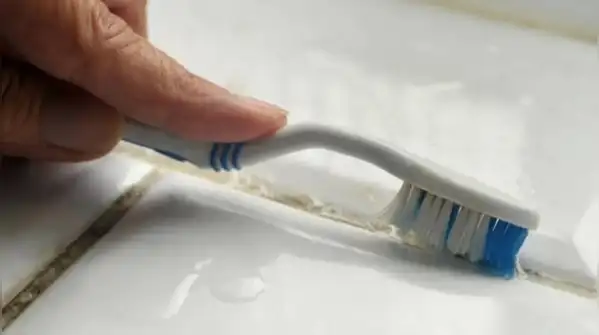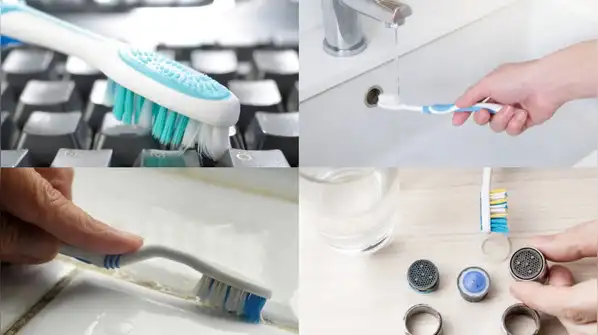
That worn-out toothbrush sitting in your bathroom drawer does not have to end up in the trash right away. Before you toss it, consider giving it a second life as one of the most effective cleaning tools in your home. Its small head, tightly packed bristles, and firm handle make it perfect for scrubbing into corners, grooves, and gaps that regular sponges or cloths simply cannot reach. From kitchen taps to grimy grout lines, an old toothbrush can tackle dirt and buildup in spots that often get ignored during regular cleaning. Here are seven surprising places around the house where this tiny tool truly earns its keep.
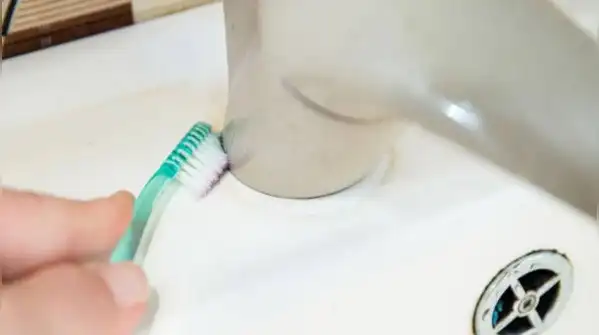
Because this hidden ring of grime never gets proper attention, the stiff bristles loosen mineral deposits without scratching the metal finish, restoring shine to faucets that often look dull simply. Showerheads often develop clogged nozzles due to mineral deposits from hard water, which reduces water flow and creates uneven spray patterns over time. The area where a tap meets the sink is a magnet for limescale, soap scum, and water stains that regular wiping never fully removes. An old toothbrush, dipped in a mix of vinegar and water or a mild cleaning solution, can get right into the narrow gap between the tap base and the counter. A toothbrush can reach into each tiny nozzle hole individually, something a regular brush or cloth cannot manage. Scrubbing gently after soaking the showerhead in vinegar helps dislodge stubborn limescale buildup from within the small openings. This simple routine restores proper water pressure and prevents the frustrating dribble many showers develop after months of neglect. Electronics like remote controls, keyboards, and calculators accumulate dust and crumbs in the tiny gaps between buttons, areas that are almost impossible to clean with a cloth. A dry toothbrush works well here, gently loosening trapped debris without introducing moisture that could damage internal components. For a deeper clean, lightly dampening the bristles with a small amount of rubbing alcohol helps disinfect frequently touched surfaces, which is especially useful for shared or heavily used electronic devices at home. Rings, bracelets, and other jewellery pieces often have intricate designs, stones, or engravings where dirt, oils, and soap residue collect over time, dulling their shine. A soft-bristled toothbrush can reach into these tiny grooves without applying excessive pressure that might loosen stones or damage delicate settings. A gentle scrub with mild soapy water followed by a rinse can restore noticeable sparkle to everyday jewellery, making this an easy and inexpensive alternative to professional cleaning services. This article is intended for general informational purposes only and is based on commonly shared household cleaning practices. It is not professional advice on cleaning specific materials, surfaces, or valuable items. Results may vary depending on the material, finish, or condition of the object being cleaned. Readers are encouraged to test any cleaning method on a small, inconspicuous area first, or consult a professional for delicate, valuable, or specialised items such as fine jewellery or electronics.