
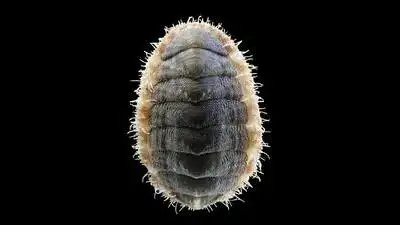
Chitons are small, oval-shaped animals that cling to rocks along the seashore
Kochi: Scientists from Keralam have uncovered the genetic secrets of chitons, ancient sea creatures which predate dinosaurs on Earth. Scientists from Kerala University of Fisheries and Ocean Studies (Kufos) and Nirmalagiri College have discovered how an ancient marine animal, the chiton, continued to adapt and survive for millions of years. It was found in the study of this organism’s genotype. The researchers have, for the first time, decoded the complete genetic information of two chiton species found along Keralam coast—one from Chombala in Kozhikode and the other from Varkala. The study, led by Liju Thomas, Sandra Saseendran, Ranjeet K and Siby Philip, has been published in The Journal of Basic and Applied Zoology.
The researchers also compared the genetic information of 44 chiton species to understand how they were related. The earliest fossil evidence of chitons dates back to the late Cambrian period, which was around 500 million years ago. Chitons are small, oval-shaped animals that cling to rocks along the seashore. They have existed in the oceans for hundreds of millions of years, long before dinosaurs appeared. the study shows that their genes continued to change Although their body shape has changed very little over this vast period. The scientists found that some of the genes responsible for producing energy in the animal’s cells have been shaped by natural selection. The study shows that while chitons, belonging to the Mollusca family, may look almost the same as their ancient ancestors, their genes have been quietly adapting to help them survive changing environments. The study provides the first such genetic information from India’s coast on the evolution of these ancient marine animals.