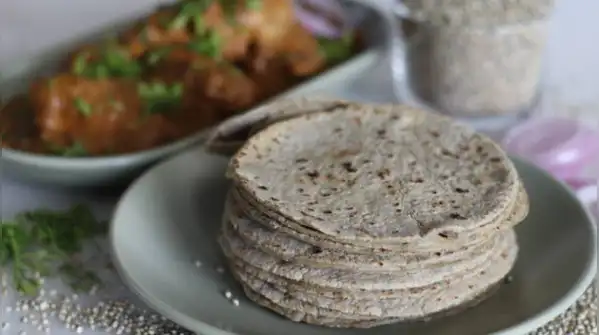
Because the husk holds onto water, it softens the texture and helps the bread stay moist longer. In many Indian kitchens, adding psyllium to roti or chapati dough is a quiet upgrade.
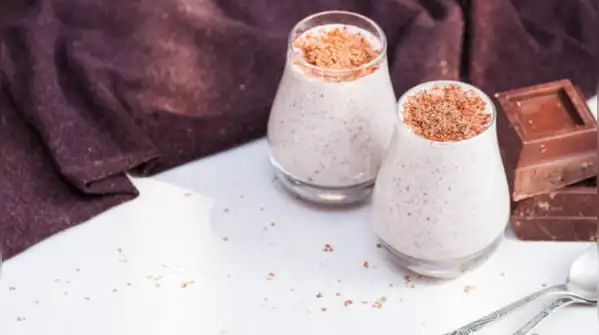
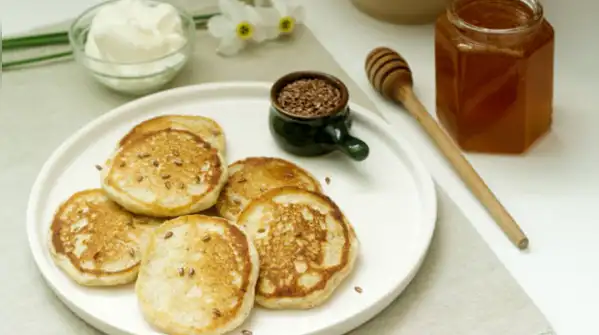
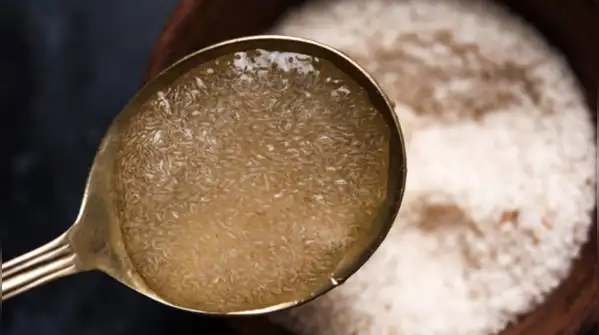
Because it continues to thicken, blend everything until smooth and drink it soon after,. For a batch that makes three or four rotis, mix one to two teaspoons of psyllium husk into the wheat flour along with the usual salt. Knead as normal but add a little extra water, since the husk absorbs moisture. Rest the dough briefly, then roll and cook on a hot tawa the regular way. The rotis come out softer and more pliable. Some gluten-free versions use the husk more generously with flours like coconut or bajra to help the dough hold together. It is a practical change for daily meals. You get the fibre without changing the familiar taste or the way the bread pairs with curries and dals. Image credit: iStock Smoothies are one of the easiest places to hide psyllium. The husk thickens the drink and adds fiber without changing the taste much, especially when fruit and yoghurt are involved. A popular berry version blends a cup of frozen mixed berries, a banana, a handful of spinach if you want greens, half a cup of Greek yoghurt, a cup of almond milk or coconut water, and a teaspoon to a tablespoon of psyllium husk powder. Chocolate-peanut butter or tropical mango-coconut versions work the same way. Start with a teaspoon if you are new to the fiber, then build up as your system adjusts. The drink becomes more substantial, closer to a light meal than a thin juice. It is a useful morning or post-workout option when you want something quick and cooling. Image credit: iStock Pancakes turn out surprisingly well with a little psyllium. The husk acts as a binder, especially useful in gluten-free versions, and gives the batter a soft, cohesive texture that holds together on the pan. One straightforward approach starts with a cup of almond flour, a tablespoon of psyllium husk powder, a couple of eggs, half a cup of milk (dairy or plant-based), a teaspoon of baking powder and a pinch of salt. Mix the dry ingredients first, then stir in the wet ones. Let the batter sit for a few minutes so the psyllium can thicken it slightly. Cook on a medium pan the usual way, a couple of minutes per side until golden. Top with berries or a drizzle of honey if you like. The result is a stack that feels more filling and keeps you satisfied longer than ordinary pancakes. Similar recipes use whole wheat flour or a mix with flaxseed for extra nutrition. The key is starting modestly with the psyllium so the batter does not turn too dense, and cooking soon after mixing. Image credit: iStock Most of us who reach for psyllium husk know the drill. A spoonful stirred into a glass of water, a quick gulp, and that slightly gritty, gel-like feeling that follows. It works well for digestion and keeping things regular, but the routine gets old fast. The good news is you do not have to stick to the plain water method. Psyllium husk blends quietly into everyday foods. It thickens batters, softens doughs, and adds bulk without much flavour of its own. Here are four simple, practical ways to fold it into pancakes, smoothies, rotis and snacks so the fiber feels like part of the meal rather than a chore. Image credit: iStock