India’s culinary heritage is filled with dishes that rarely appear on everyday dining tables anymore. Some demand hours of slow cooking, others depend on seasonal or expensive ingredients, while several survive mainly through family recipes, regional festivals and specialist cooks. That makes these dishes more than just forgotten recipes. They are records of how different communities once cooked, celebrated and adapted to what their landscapes offered. Here are some regional preparations that deserve another place on Indian tables.
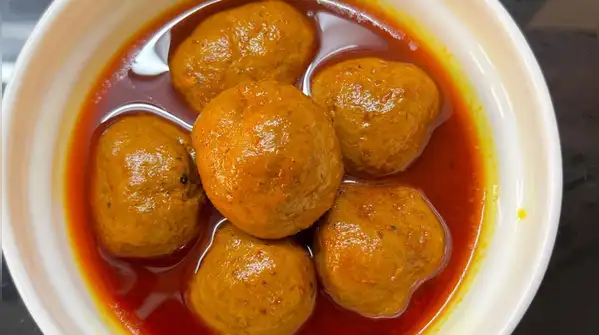
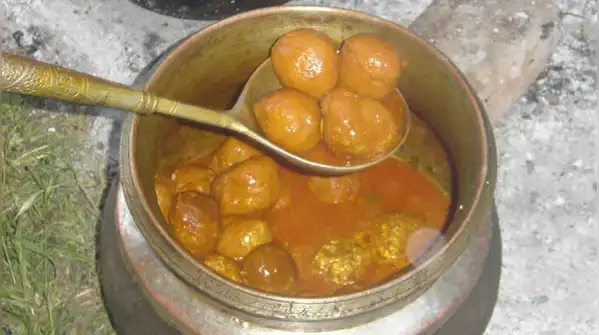
Rista is another Kashmiri classic where technique is inseparable from the dish itself. Traditionally associated with Wazwan, the meatballs are made from mutton that is pounded with fat until it develops a smooth, springy texture before being shaped and cooked in a vibrant red gravy. The process is considerably more labour-intensive than simply putting minced meat through a modern food processor. Rista’s place in Wazwan remains strong, but its demanding preparation helps explain why it is not an everyday home dish. From Kashmir’s meat-heavy traditions to Malabar’s rice-based cooking, Kalathappam shows another side of India’s culinary diversity. This traditional rice cake combines rice, jaggery and coconut, with some versions also using fried shallots or onions. It belongs to the food traditions of North and South Malabar and is a reminder that Kerala’s dessert repertoire goes well beyond the better-known payasam and banana-based sweets. Bengali cuisine has a special relationship with cauliflower, particularly during winter. Phulkopir Roast is a richer preparation in which cauliflower is fried or roasted before being cooked with spices and, in some versions, nuts, poppy seeds, yoghurt or ghee. It is associated with special occasions and winter festivities rather than being an everyday quick vegetable dish. Its elaborate preparation makes it a good example of how seasonal produce once became the centrepiece of celebratory cooking. Chironji is usually associated with sweets, but the nut-like seed can also become the star of a savoury dish. When cooked with mild spices, chironji develops a creamy texture and a distinctive, nutty flavour that gives the dish its character. Chironji ki Dal uses soaked chironji and spices to create a rich preparation and is documented in Indian recipe collections as a vrat dish. It is considered a rare preparation, with the rising cost of chironji making it less accessible. The name alone sounds almost contradictory: gulab jamun, but in a savoury curry. In parts of Rajasthan and western Madhya Pradesh, fried khoya-based balls are traditionally cooked in a spiced gravy instead of being soaked in sugar syrup. It is a fascinating example of regional cooking refusing to put ingredients into neat categories. A preparation associated with dessert can become the centre of a savoury meal. Mahua flowers have long been part of food traditions in several tribal regions of Madhya Pradesh. The laddoo is a reminder that ingredients once gathered directly from the landscape could become both everyday nourishment and part of community food traditions.
Today, mahua is still used to make laddoos and other foods, with Madhya Pradesh government sources listing mahua laddoos among local culinary offerings.
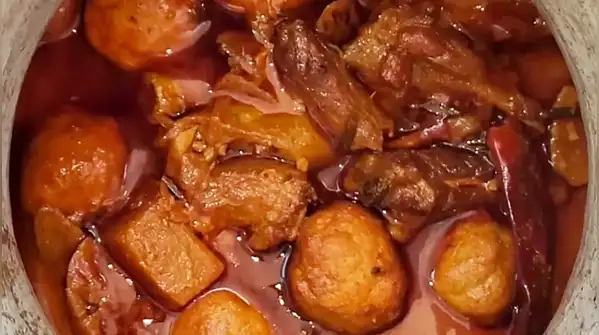
The dish can take 12 to 14 hours to prepare, and the time involved has meant that the traditional art of making it has gradually faded from everyday cooking. Shab Deg is perhaps the ultimate example of a dish that asks for patience. The traditional Kashmiri preparation combines turnips, mutton and spices and is cooked slowly overnight. But that long cooking is precisely what gives Shab Deg its character.
Today, when most meals are expected to be ready quickly, a dish built around an overnight cooking process naturally feels like a relic of another era.