
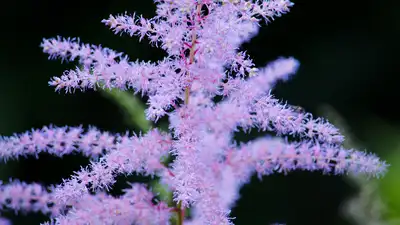
False Goat’s Beard flowers- (Photo via Canva)
Prepare moist, humus-rich soil
Set the crown at soil level and space plants 18 to 24 inches apart so clumps have sufficient space to fill in over time. This fluffy plant grows in organically rich and evenly moist soil, which is never soggy or bone-dry. Try incorporating heavy or clay-based soil with compost so it drains well while still holding moisture. Slightly acidic to neutral soil works best. Waterlogged or heavy clay conditions are also not the best suited for plant growth, so good drainage alobg with organic matter is the best fit for the growth of the pink pals in your garden. It is best to plant goat’s beard in the ground after the last spring frost or during early-to-mid fall, when temperatures are milder. Water thoroughly right after planting to help roots settle, and add a layer of dried leaves or bark to lock in moisture from day one.
We often have that one idle spot in the garden that does not receive enough sunlight for a plant to thrive, so either it is mostly left idle, or there are just wild weeds and grass occupying the space. Even though planted in shade, it pulls the eyes towards itself, and what makes it attractive is not just the colour but how effortlessly it fills space. Once the plumes appear in late spring through summer, they remain in their shape for weeks, even after the colour fades, giving the garden texture well into fall. False Goat’s beard grows best in partial to full shade, though it can grow in a bit more sun too, if the soil stays consistently moist. Watch your chosen spot across the day, since morning shade can turn into blazing afternoon sun, so in hotter climates, it is better to look for afternoon shade especially. An all-purpose fertilizer should be generously given when needed to keep growth healthy, and a phosphorus-rich feed after blooming can boost next season’s flowers. Every few years, divide well-growing sections, ideally in fall, and leave the dried flower stalks intact until spring for the best seasonal blooms.