

Because they enjoy the connection or because they feel unable to cope without constant reassurance, does the person call. Because emotional closeness and emotional dependence are not the same thing, these differences are important. Calling your parents every day can look like a sign of emotional dependence, especially when people associate adulthood with becoming completely self-reliant. But psychology paints a more complicated picture. The number of calls an adult makes to their parents does not, by itself, reveal whether they are emotionally dependent. For some people, a daily call is simply part of their routine. It may be a quick conversation during the morning commute, an evening update about work or a few minutes spent checking whether their parents have eaten. The relationship can remain close even when the adult child is perfectly capable of managing their own life. What matters more is the function of the relationship. Can they make important decisions independently? Can they handle difficult emotions without immediately needing their parents to solve the problem?
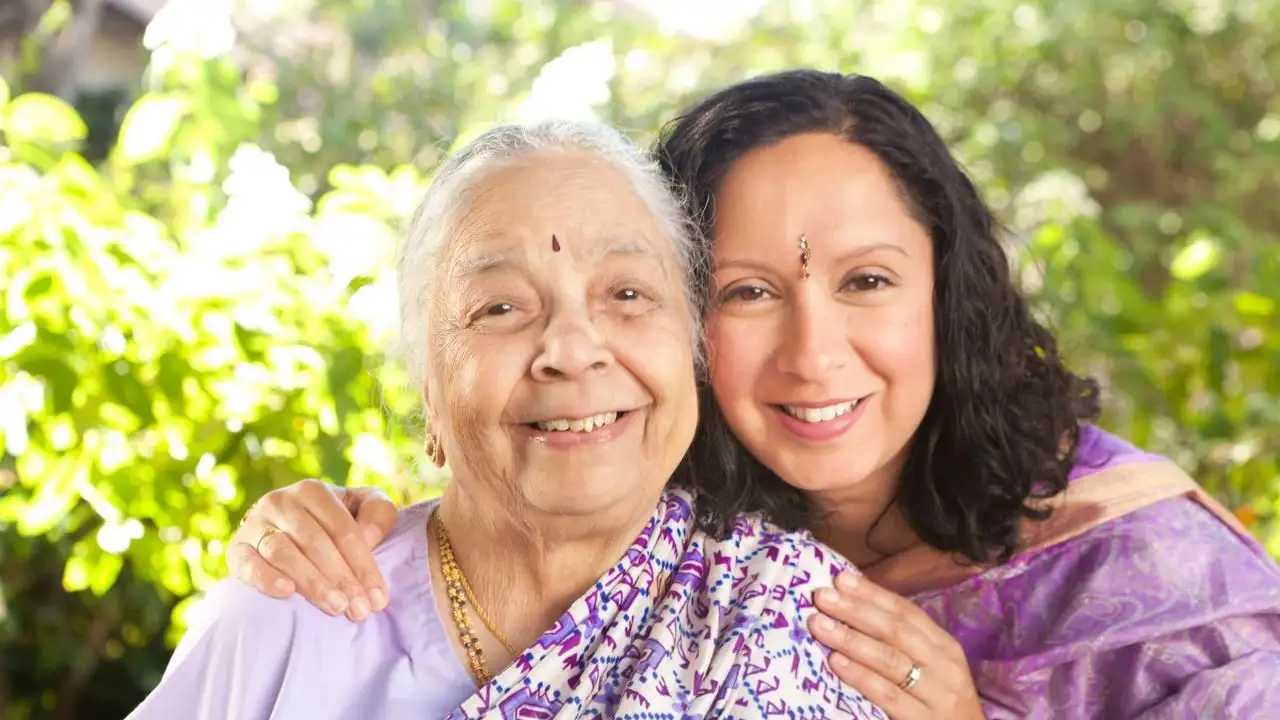

The more useful question, therefore, is not “How often do you call your parents?” but “What happens when you call them? So, a daily call can sometimes be less about needing parents and more about choosing to remain connected to them. If the conversations provide affection, encouragement and a sense of belonging while the adult remains capable of making independent choices, there may be little reason to view the contact as unhealthy. On the other hand, if someone constantly needs parental approval, struggles to regulate their emotions without parental reassurance or feels unable to make ordinary decisions alone, the issue may be dependence rather than closeness. Ultimately, growing up does not require people to stop needing or loving their parents. Healthy adulthood can include strong family bonds, regular conversations and emotional support. Independence is not measured by how rarely someone calls home. It is better understood by whether they can stay connected while still taking responsibility for their own life.