
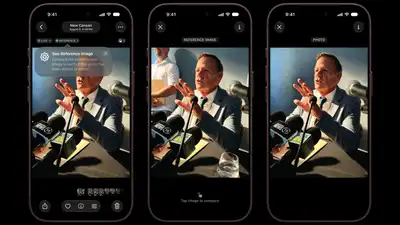
iPhone 18 Pro can now prove a photo isn’t AI-generated
Apple announced the feature at its iPhone 18 Pro and iPhone Duo launch event last week. Users in the European Union cannot capture reference images at launch, though they can develop and view them on iOS 27, iPadOS 27 and macOS 27. The feature will not be available in China initially due to regulatory requirements.
With AI tools able to create or alter photorealistic images in seconds, Apple says a picture looking real is no longer enough to prove something actually happened. It has now explained how it works in detail on its Security Research blog, comparing the output to a digital film negative. There are limits. The mode is opt-in, works only with the main camera and does not cover screenshots.
How iPhone 18 Pro locks a photo before software can touch it
Apple has built a way for iPhone 18 Pro users to prove a photo is real. The signed capture is then processed on Apple’s Private Cloud Compute servers into a verified image that sits next to the regular, editable photo in the Photos app. Details that come from outside the sensor, such as digital zoom and focal length, are signed separately by the iPhone’s Secure Enclave. Apple says that leaves room for fake pixel data or a hacked operating system to alter a picture before it is signed.
The feature, called Apple Reference Image, makes the main camera sensor cryptographically sign pixel data the moment a picture is taken, before any software on the phone can touch it. It starts with a new Reference mode in the Camera app. Switching to it reboots the sensor into a secure state where its firmware cannot modify pixel data. The sensor then signs each frame with a private key it generated at the factory and never shares. Existing systems built on the C2PA standard sign images at the end of the processing chain. Signing inside the sensor closes that gap.