
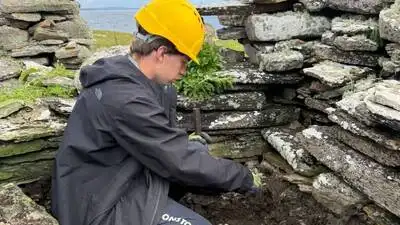
Gordonstoun students uncover possible 1,000-year-old Viking church on remote Scottish island. (Photo: Gordonstoun/PA Wire)
Ten students have made a remarkable archaeological discovery on a remote Scottish island after uncovering what could be the remains of a Viking-era church dating back around 1,000 years.
The pupils from Gordonstoun, the private boarding school attended by King Charles, discovered the possible medieval structure during a six-day archaeological expedition to Swona in Orkney, according to the Independent. Swona was deserted in 1974 after its final two residents left the island. (Photo: Gordonstoun/PA Wire) The discovery came after the group investigated a site associated with a local ruin known as the “Twinly Kirk”. Dan McLean, housemaster at Gordonstoun and the teacher who organised the expedition, said there had previously been little evidence to confirm that a church once stood on the island. “The only real hint about a church being on the island is a map reference to a ruin known locally as the ‘Twinly Kirk’,” he said. “After we worked with the archaeologists to dig a test pit and clear away the weeds, we discovered a step just under the surface, leading to what would have been the church’s altar,” McLean said. Paul Clark, senior project manager at Orca, said the results could provide crucial evidence about the site. “The most difficult part of the trip was the sun and hot temperatures,” he said. “The archaeology dig was the most enjoyable part of the trip, being able to discover history in real time was incredible,” he said.
Working alongside archaeologists from the Orkney Research Centre for Archaeology (Orca), the students excavated part of the site and uncovered a feature that researchers believe could have formed the foundation of the church’s altar. Radiocarbon samples taken during the excavation are now being analysed and could help establish exactly how old the structure is and what activity took place at the site. Once he identified the location, McLean initially believed the surviving walls belonged to a much later structure that had been altered and added to over the years. But the students and archaeologists made a surprising discovery after clearing vegetation and digging a test pit. The students typically began their day at around 8am and worked until approximately 6pm. But the archaeology excavation proved to be the highlight of the trip for Maclean.
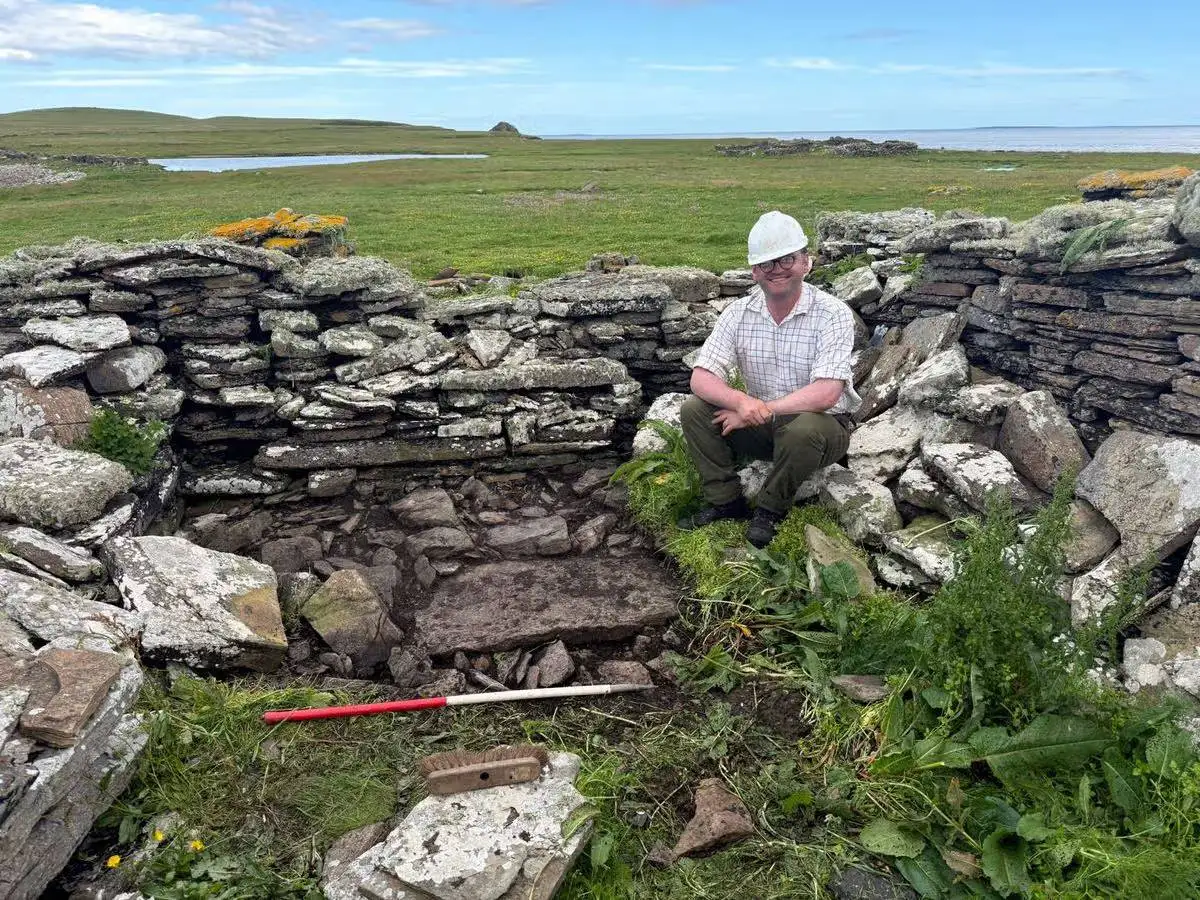
Radiocarbon samples could help establish the age of the ancient structure. (Photo: Gordonstoun/PA Wire) If the findings confirm that the remains date back around 1,000 years, they could provide a valuable insight into the religious and cultural history of Swona and the wider Orkney islands. For 17-year-old pupil Archie Maclean, the conditions were among the biggest challenges. The island was deserted in 1974 when its final two residents left, leaving behind only a small herd of feral cattle. Covering around 92 hectares, Swona is now uninhabited but remains significant for both its natural environment and archaeological heritage.
Because vikings are believed to have been among the first settlers on Swona, the discovery is particularly intriguing. Because of its rare plant life and importance as a breeding ground for several seabird species, the island is designated a Site of Special Scientific Interest. The possible discovery of a medieval church could therefore offer researchers another piece of the puzzle when it comes to understanding how communities lived, worshipped and interacted on the island centuries ago.
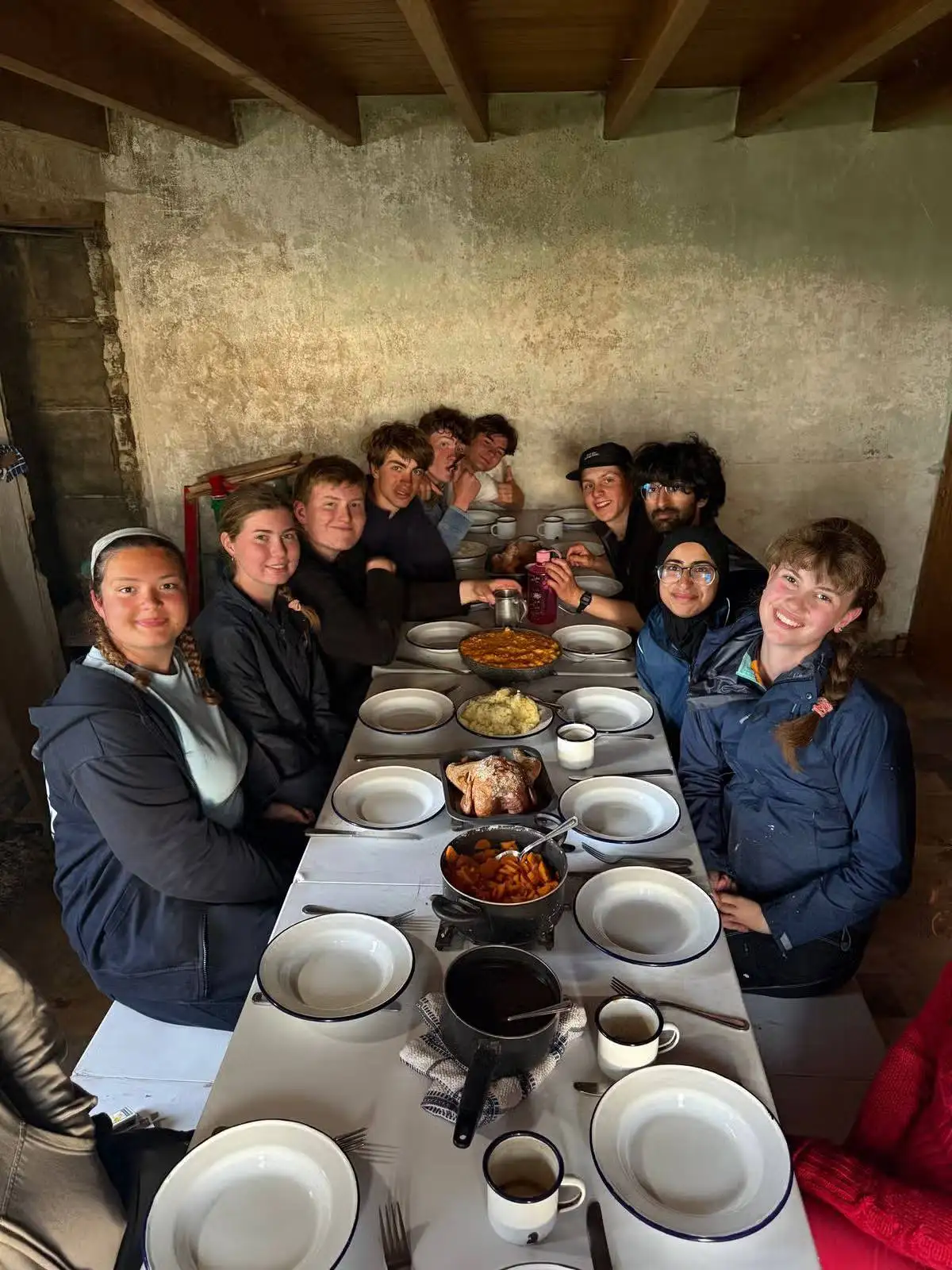
He described the moment as a “special moment” for the students, who were able to take part in archaeological fieldwork and potentially uncover evidence of a previously little-understood part of the island’s history. The pupils spent six days investigating Swona in Orkney. (Photo: Gordonstoun/PA Wire) The archaeological discovery was only one part of an unusual experience for the Gordonstoun pupils. During their six-day trip, the students stayed in an abandoned house on Swona, without electricity and relying on water from an ancient well. Some of the pupils also took part in restoration work, helping renovate the floor of the old cottage they used as their base. Their expedition gave them an opportunity to explore several other sites of historical interest, including a settlement believed to date back to prehistoric times and an area that may once have been used as a Viking warning beacon. Swona’s modern history is almost as unusual as its ancient past. Among the birds found there are Arctic terns, puffins and razorbills. The surrounding waters are also home to a variety of marine life, with orcas, dolphins, pilot whales and minke whales having been spotted in the area. Swona’s connection to the Viking period adds another layer of significance to the students’ discovery. Vikings are believed to have been the island’s first settlers, while by the mid-18th century, Swona was home to nine families. Catch the latest World News and Live updates. Download the TOI app.
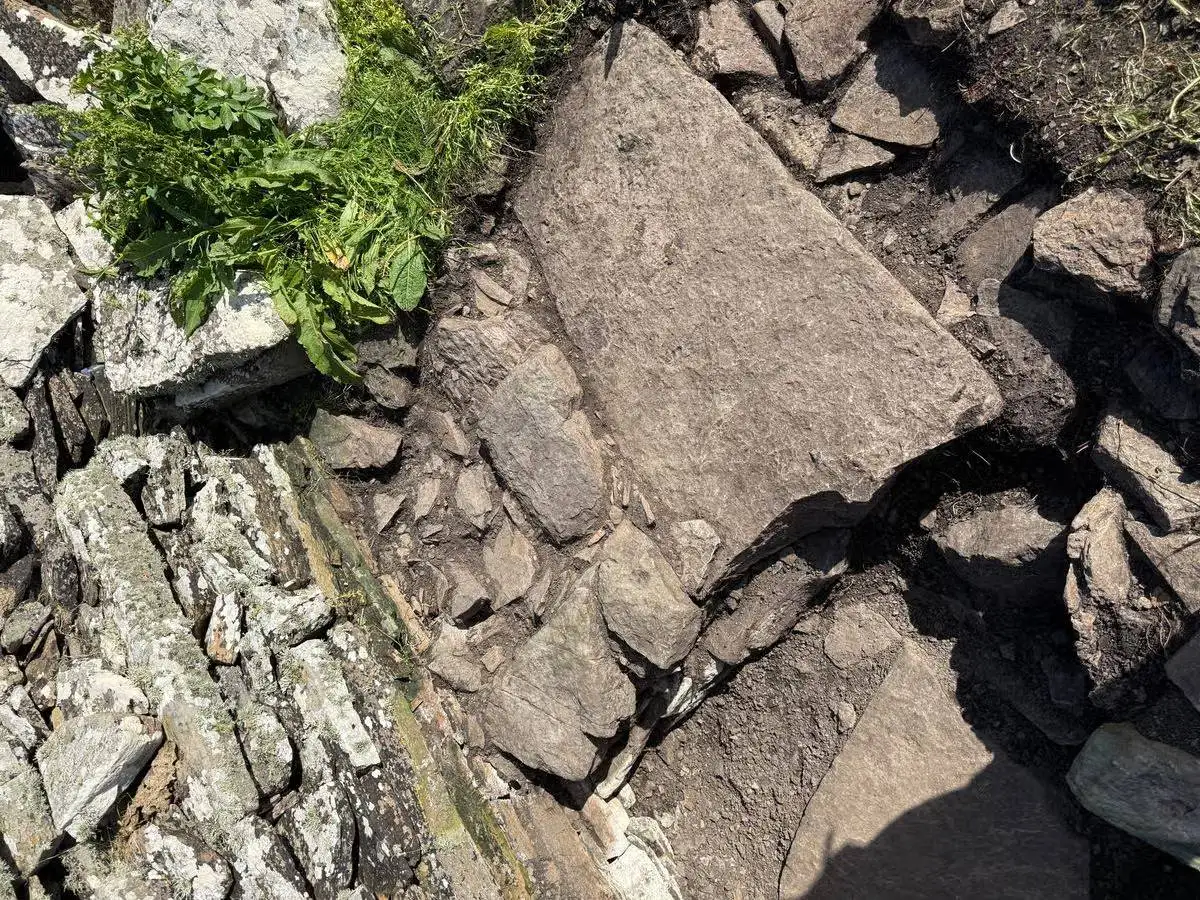
The next stage of the investigation will be to analyse samples collected during the excavation. The radiocarbon dating will help researchers establish when the material originated, potentially allowing them to determine how old the church structure is and what kind of activity took place there.