Representative image
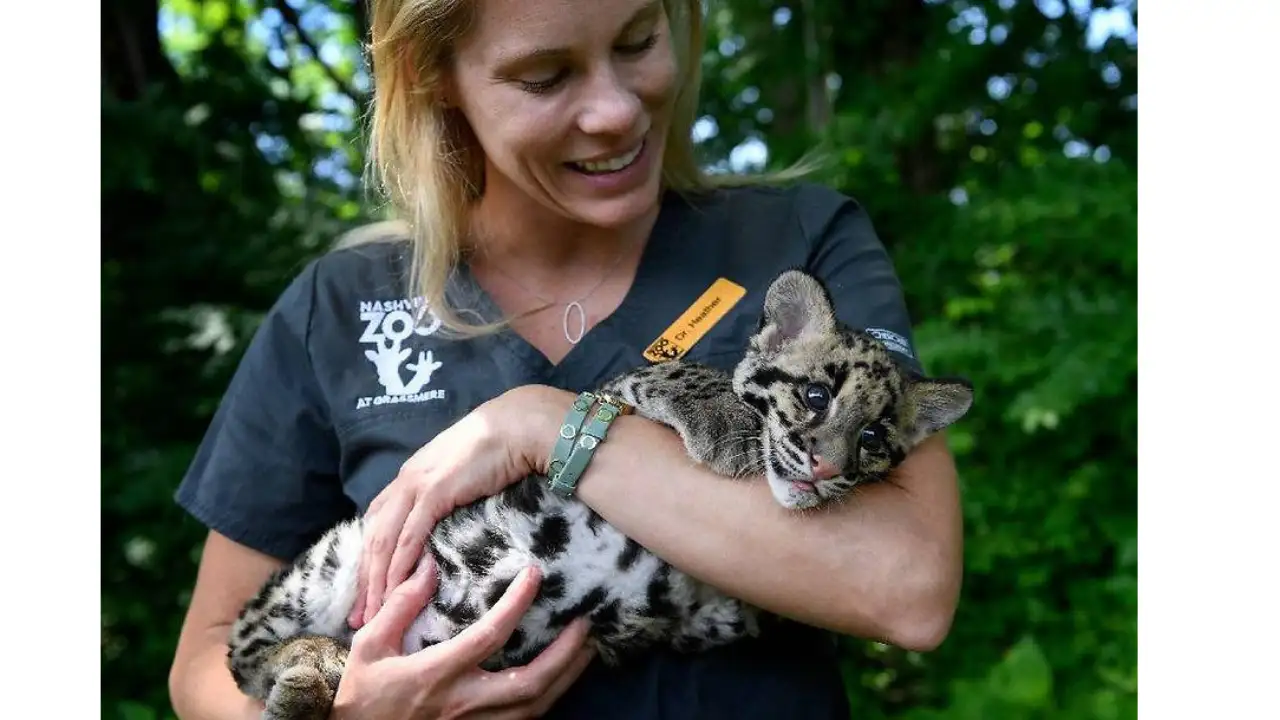
Nashville Zoo launched its Change.org petition on June 3, 2026, calling on supporters to oppose the proposed development. The campaign quickly gained national attention, passing 400,000 signatures within days and continuing to grow throughout the summer. By late August, the zoo said nearly 600,000 people had signed the petition, while the Change.org page itself showed more than 599,000 verified signatures. Mayuree was born at Nashville Zoo on May 5, 2026 and became the zoo’s 51st clouded leopard born since 1991. The 69,000 sq ft figure describes the building in the initial public permit application, but documents and subsequent reporting have raised questions about the longer-term development planned for the property. A geotechnical document reported by the Nashville Scene described a possible three-storey, 40-megawatt data centre along with a substation and associated infrastructure. The measures reflect wider concerns around the infrastructure requirements of large data centres, including electricity demand, backup generators, fuel storage, cooling systems, substations, noise, lighting, stormwater and 24-hour operations. DC BLOX purchased the roughly 23.49-acre property for about $23 million in July 2026, adding another layer to the dispute. That means the nearly 600,000 petition signatures represent enormous public pressure but should not be described as having definitively cancelled the development.
Because she was the first clouded leopard cub at Nashville Zoo to be co-reared under the programme, combining maternal care with early human socialisation, mayuree was also notable. Because the debate has focused not only on the footprint of the first building but also on what could ultimately be developed on the 23-acre site, these additional elements are important. Because of actions taken before the city’s new restrictions came into force, the legal status of DC BLOX’s proposal has become an important part of the dispute, with questions over whether the project could retain certain development rights.
DC BLOX has defended its proposal and said the project can be designed to control the impacts highlighted by the zoo. The company said it planned to use closed-loop or waterless cooling and would comply with applicable noise and environmental requirements. It also said generators would be positioned away from the zoo and equipped with measures intended to reduce sound, including sound-attenuating enclosures and muffled exhaust systems. Nashville Zoo has also said the wider plans could involve substantially more power capacity than the initial facility.
The scale of the response turned what began as a local land-use dispute into a much larger public debate over the environmental and conservation implications of data centre development near sensitive facilities. The zoo participates in the Association of Zoos and Aquariums’ Species Survival Plan for clouded leopards, making successful breeding an important part of its conservation work. As the zoo campaigned against the nearby development, photographs and updates about the young cub helped put a face on its concerns about protecting animals and maintaining successful conservation programmes. The company has argued that some claims about the project have been inaccurate or overstated and that appropriate engineering controls can address concerns about noise, lighting and other potential effects. The campaign also received support from country music star Brad Paisley, who publicly backed Nashville Zoo’s opposition to the development and encouraged people to sign the petition. His involvement helped bring additional national attention to an issue that had initially centred on a proposed development in south Nashville. The combination of the zoo’s conservation concerns, the rapidly growing petition and high-profile supporters helped make the project one of the city’s most closely watched development disputes. The controversy eventually prompted direct action from Nashville officials. Mayor Freddie O’Connell issued an executive order directing city departments to examine the potential infrastructure, environmental and community impacts associated with large-scale data centres. Metro Council subsequently approved legislation establishing a temporary moratorium on the acceptance and processing of permits for data-centre developments. The council also adopted new zoning rules addressing data-centre uses and the conditions under which such facilities can operate. Rather than simply relying on zoning restrictions, Metro Nashville later approved legislation authorising the city to acquire the property through negotiation or condemnation for stated public purposes. Mayor O’Connell approved that legislation in August. The measure does not mean the city has already seized the property, but it gives Nashville a legal mechanism to pursue acquisition of the site. Despite the petition, moratorium and potential acquisition of the property, the future of the project remains unresolved. The fight has instead evolved into a broader legal and political dispute over land use, data-centre expansion and the protection of Nashville Zoo’s conservation work.