
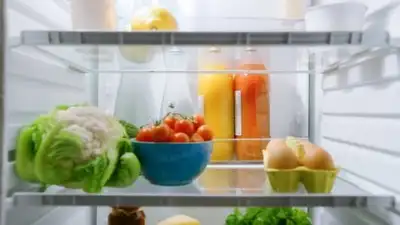
Nothing ruins a day quite like the power cutting out right after a big grocery run, especially when you’re staring at a fridge full of milk, leftovers, and that chicken you were planning to cook for dinner. The first instinct for most people is to fling the fridge door open every ten minutes just to check if things are still cold, which, ironically, is exactly what makes everything spoil faster. Knowing how long your food can actually hold up without power and which items to worry about first can save you both wasted groceries and an upset stomach later. Here’s a simple, practical breakdown in five parts.
Work out how long the outage actually lasted and check it against the four-hour and 48-hour windows for the fridge and freezer. Fully thawed meat or seafood that’s been above 4 degrees Celsius for more than two hours should be cooked right away rather than refrozen raw or thrown out if that’s not possible. Because frozen food acts almost like its own insulation, freezers are far more forgiving than fridges, mostly. Because the fridge feels cold again, once electricity returns, don’t assume everything’s fine just.
As a general guideline by US Food Safety portal, fully closed refrigerator keeps food safely cold for about four hours during an outage, as long as the door stays shut the whole time. Every time it opens, cold air escapes and warm air rushes in, and that speeds up the temperature rise far more than most people realise. If a cut is coming, or one just happened, resist the urge to keep peeking inside. At that point, your fridge is basically a giant insulated box, and how well it holds its temperature depends almost entirely on how little you disturb that seal. When in doubt, go with your senses over the timer. Meat, poultry, and seafood that smell off, feel slimy, or have changed colour should be thrown out immediately, no exceptions. Dairy that smells sour or looks curdled is another easy call. The tricky part is food that looks and smells completely fine but has actually been sitting too long in the danger zone, since bacteria that cause food poisoning don’t always change how food looks or smells. This is exactly why timing matters more than just trusting your nose. Partially thawed freezer food that still has ice crystals and feels cold is generally safe to refreeze, though the texture might take a small hit. This article is intended for general informational purposes only and does not replace official food safety guidance. Actual safe storage times can vary depending on the initial temperature of the food, how full the fridge or freezer is, and how often the door is opened. When in doubt about the safety of any food item, it is best to discard it. For specific concerns, consult local food safety authorities or a medical professional.