
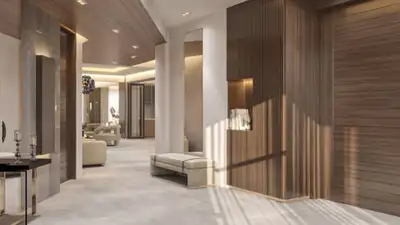
Luxury residential design is entering a more discerning phase. The conversation is no longer centred on how much marble, brass or imported furniture a home can accommodate. It is increasingly about the intelligence behind the space: how it responds to light, movement, privacy, proportion and the rhythms of everyday life.
This marks an important distinction between a home that is decorated and one that is genuinely designed. Decoration can create visual appeal. Design creates an experience.
It begins with understanding how space should work. The orientation of a room, the relationship between public and private areas, the movement of natural light through the day and even the transition between indoor and outdoor spaces can fundamentally influence how a home is experienced. This is especially true in luxury housing, where the value proposition is more than just square footage. The space is as important as quality of planning. Even a large house can seem disconnected if the spaces don’t relate to each other. Smart planning, however, can create a sense of scale and openness in a home without excess. A restrained palette, considered materiality and clean architectural lines allow a home to develop a visual identity without becoming overly prescriptive. It also creates something more valuable: longevity. A home designed around enduring principles can evolve with its residents rather than becoming tied to a particular interior trend. The most successful homes understand that people experience spaces emotionally. A quiet corner can create a sense of retreat. A double-height living space can introduce drama. A window positioned towards a garden or skyline can alter the character of an entire room. Luxury in a home should not be measured by the number of premium elements within it, but by how thoughtfully those elements come together to shape the experience of living. The strongest homes are designed with a sense of purpose, where architecture, materiality and functionality work together rather than compete for attention. This is where luxury becomes experiential. The home begins to respond to its occupants rather than simply accommodating them.
A well-designed home begins long before the selection of furniture or finishes.