.
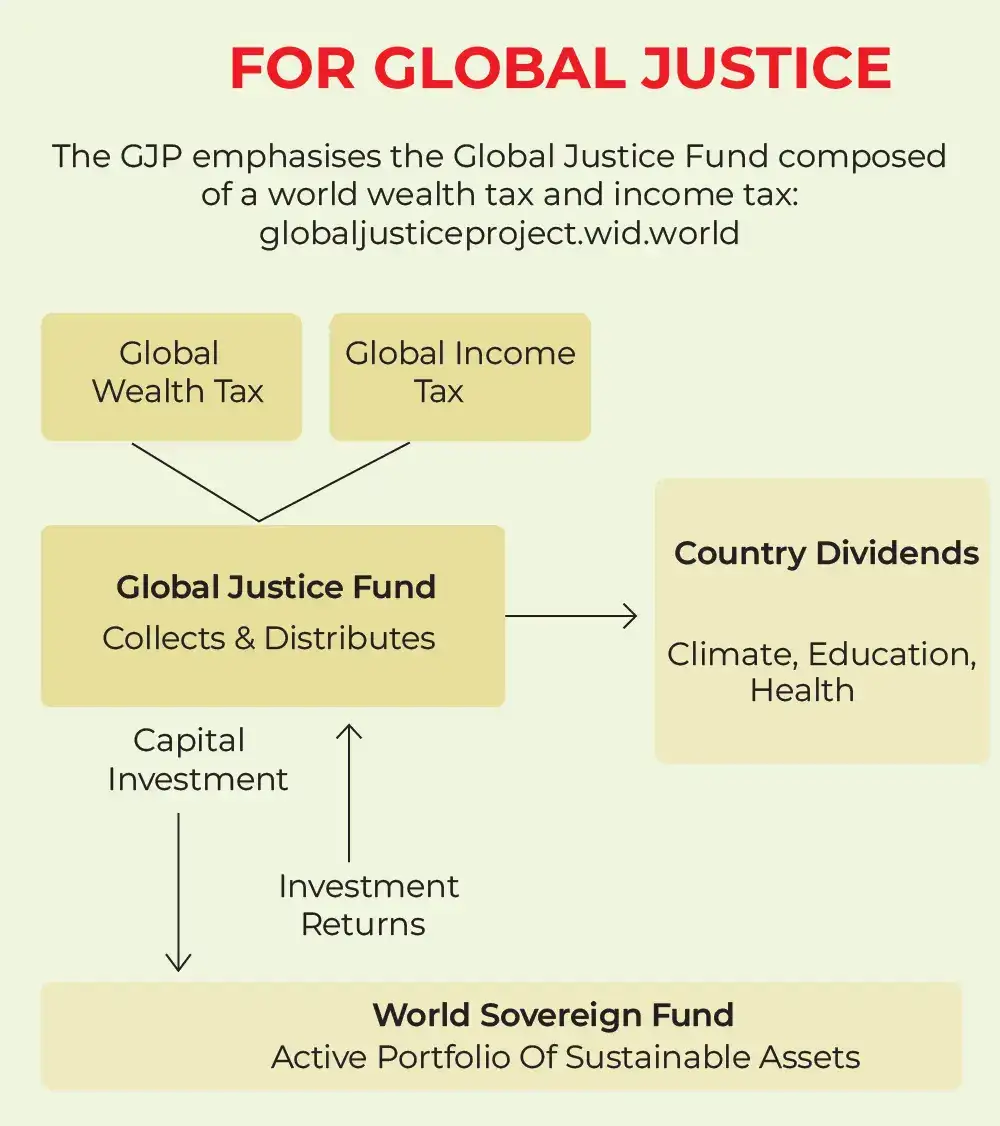
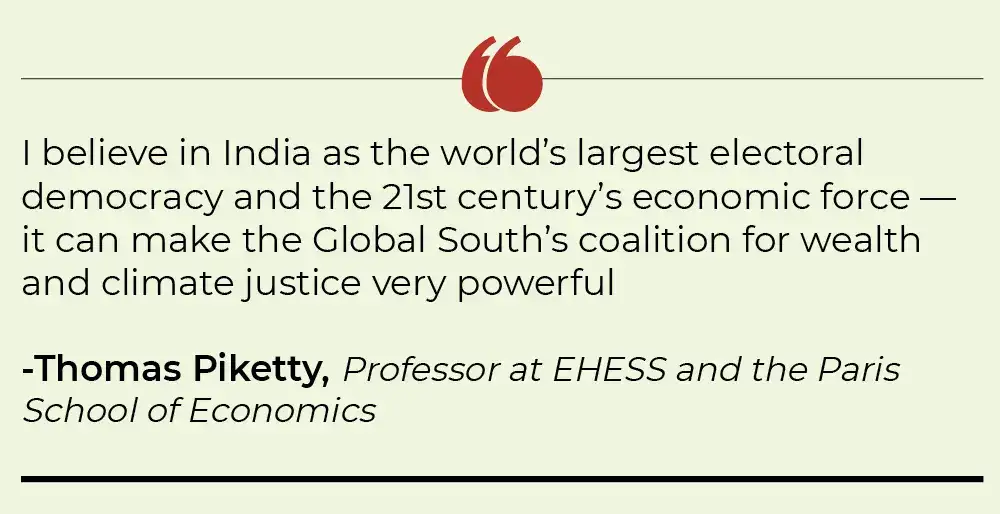
What is the Global Justice Project you’re working on? ■ The Global Justice Project (GJP) brings together 45 authors using databases compiled by over 200 researchers from around the world. We are in a situation today where the bottom half of humanity owns just 2% of global wealth. So, we are calling for a global wealth tax rising to 20% a year on billionaires as a component towards a world sovereign fund for these changes, with 10% of the world’s capital stock, a global income tax and a world wealth tax, each impacting 1%of the world’s population. Also, if leaders want political support from the bottom 90% in the rich North, this strategy will be required to give that bottom half a rising income trajectory. Despite the disputes over that, I do believe in India as the largest democracy and the economic power of the 21 st century.
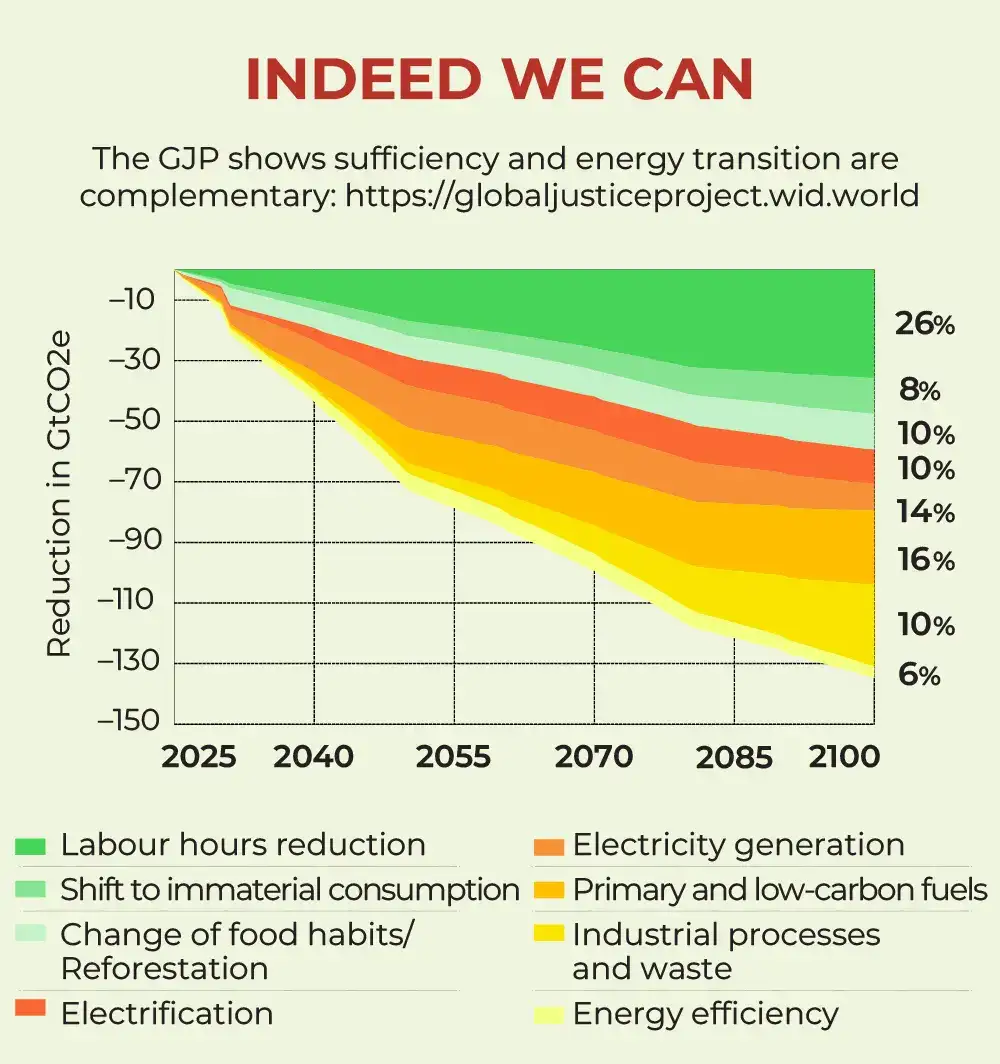
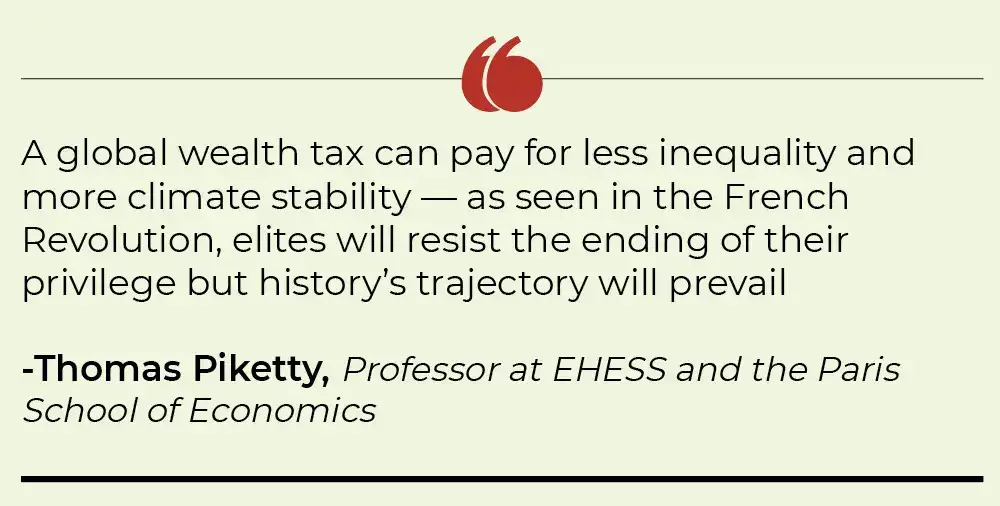
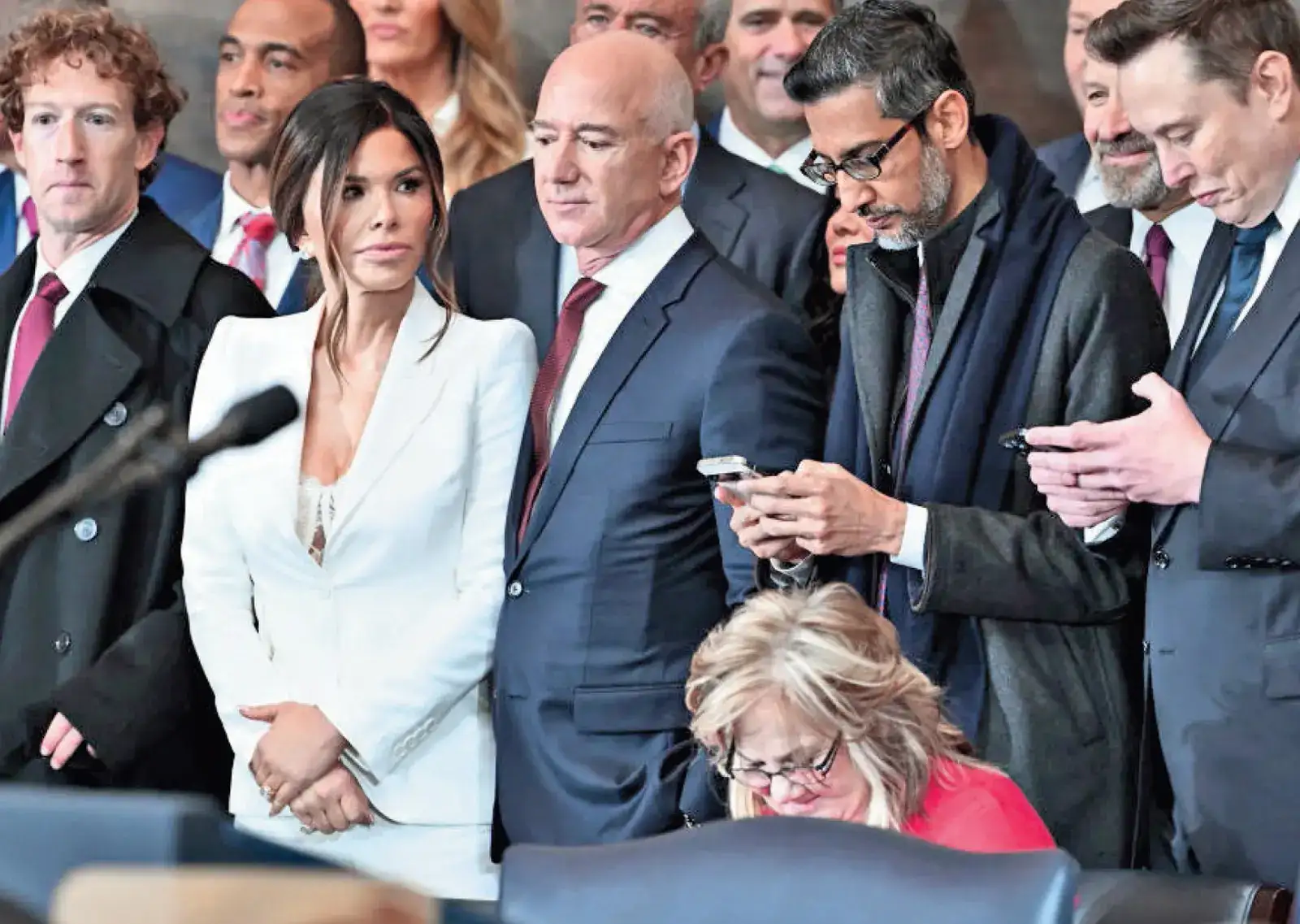
Because that is where change will come from, this is especially important for the Global South. The key question we ask is — can there be common prosperity on Earth without breaking our planetary limits? This is good for both climate stability and social welfare. Another point here is changing our food habits — the consumption of red meat is a huge driver of deforestation and this in particular must be reduced. If the entire world, including India, began eating as much red meat as the average American does, just the land area needed for grazing animals people eat would imply tremendously fast deforestation. . The third pillar is the contraction of inequality. We have to change this but we need to pay for the enormous shifts the GJP suggests for this — if you ask the middle class to pay for these, that will not work. Many politicians globally are backed by billionaires or are busy becoming the same — why would they agree to increasing taxes on them? ■ At some point, they will have to bend to democratic forces. There is huge popular support in favour of a billionaire tax worldwide. Eventually, it will become impossible for the elite to resist this. To my mind, the rise of progressive wealth taxation in the 21ˢᵗ century is similar to the growth of income taxation in the 20ᵗʰ century. Back then, people did not want to even hear about income tax. They were very resistant to their books looked into or having to forsake some money — they were convinced this would be the end of the modern economy and the collapse of all innovation. Yet, this occurred everywhere and if anything, there was much more growth, greater productivity rise and more prosperity. . I believe the same will happen with progressive wealth taxation in the 21ˢᵗ century — of course billionaires and their beneficiaries will complain. At the time of the French Revolution, you wouldn’t expect the aristocracy to agree with the end of their privileges. The colonial elite never wanted independence for India or Africa — they wanted empire to continue forever. Men do the same thing vis-a-vis women. However, as the course of history shows us, these positions of power and constructions of status are less rigid than thought. Many people in the Global North don’t get it — I’m trying to present development issues with climate challenges in politics in my own country, France, but many people here still see these as small issues and don’t grasp the big picture. . However, at some point, with the growing size of the Global South in the world economy, people will have to listen to it. Otherwise, BRICS led by China and Russia will make their own institutions — now, pressure coming from the more democratic nations of the Global South can convince the North about these strategies. India can have the most important role here as the world’s largest electoral democracy. India could truly transform the situation. Catch the latest world news and top headlines. Download the TOI App.
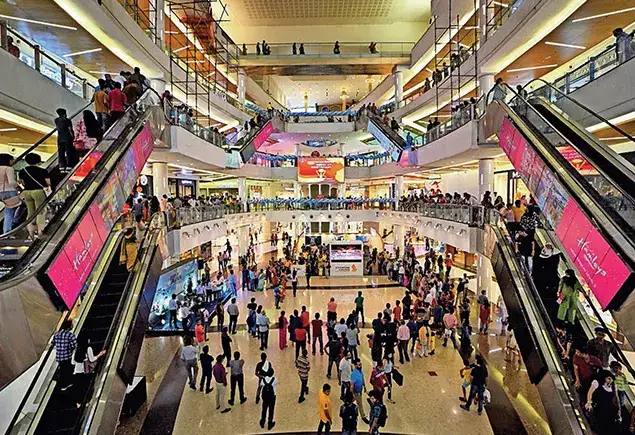
Today, Gross National Income per capita ranges from under 300 euros per month in sub-Saharan Africa to 700 in South Asia and nearly 5,000 in North America. Again, this is a continuation of a historical trend — in 1900, an average worker in the world worked 3,000 hours per year. Today, this is 2,000 hours annually in the world while in Europe, it’s 1,500 hours, with a target of 1,000 by 2100. This echoes what John Maynard Keynes wrote in the 1930s in letters to his grandchildren where he said we will work less than 10 hours a day. Our international systems are actually fairly similar to what Britain and France had in the 19 th century when rich people had greater voting rights than the poor — of course, with that arrangement, it was very difficult to have any redistribution or reduction of social inequality. At 2024’s G20 Summit, Brazil and South Africa pushed for a global wealth tax — if India supports this, the Global South coalition for economic and climate justice will become too strong for Western nations to resist.
So, our GJP report asks — how can we get common prosperity and what will that scenario look like? So, there is a huge gap. Our report does state this is not going to happen easily though. One of the issues we highlight, for instance, is worktime reduction, an important topic in the Global North. In India, growing rich is the priority now but as nations prosper, reducing worktime and having more personal time in hand will become important to many. . We are not there yet — but there is a continuation. ■ Our report’s main message is — to solve our development and climate challenges, we must move from global plutocracy to global democracy. We stress how Europe and North America now have voting rights at the IMF and World Bank which are four times larger than their share in world population — meanwhile, sub-Saharan Africa and South Asia have voting rights four times smaller than their share in world population. There is thus a huge gap in the voting right of an Indian citizen versus a French or American one. For countries which like to describe themselves as favouring universalist values and democratic rights, there is a problem here. Huge battles took place before political changes could occur — only then could social security, public education, health services, etc. , come about. We believe the same thing must happen at the international level now — as long as these plutocratic rules govern such institutions, it will be very difficult to change things. We now need a truly democratic voting rights system at the IMF, World Bank and the Global Justice Fund we propose — funding decisions should not be tied to GDP or income and each nation should be the same in the decision-making process. People will have different ideas about such changes — but let’s start the conversation. History plays a role in your research — there haven’t been reparations for colonialism, which damaged societies and ecologies, nor climate funding and green technology transfers from Global North to South. What kind of ‘justice’ is the Global Justice Project looking at? ■ I fully agree. Our report offers tools particularly for countries of the Global South to create a shared platform to pursue these goals. Our work finds technically and economically, these changes bringing everyone shared prosperity is realistic — they are a matter of political will. The Global North must accept their ‘unending’ growth has to end at some point — with a contraction in inequality, most people around the world will benefit and we can also avoid climate disaster. This will require a significant transfer of resources from the global rich, particularly in the North, to the South — but the GJP Report stresses this is not a transfer. This is a very partial reparation. In our work, we’ve tried to provide estimates of past climate damages along with the losses caused by colonialism, imperialist extraction, slavery and unpaid labour. If you accumulate all the damages caused by these, the transfer should actually be a lot bigger than what we note — to be in line with history, it should be four times larger to deliver complete reparations. Our website (https:// globaljusticeproject.wid.world) has all the data series which people can use and design their own scenarios — we need to have this collective conversation.
Our work offers ways for people to think about today’s climate scenario together with inequality, history and views on reparations and justice.
We ask if it’s possible to get all countries to around 5,000 euros per month in per capita income by 2100. The growth of manufacturing, construction and the material sector will have to stop somewhere — in countries like India, our projection finds these will grow enormously but for more advanced economies, there is no need to have 10 iPhones per person. . This means average incomes in countries of the Global North will not grow much beyond a point while countries in the South will converge to this level. How is all this doable, keeping in mind planetary stability? . Our work finds it is possible to achieve this — but it relies on three big conditions. The first is, we must ban fossil fuels and adopt low-carbon energy. This means enormous investments taking place in the next two to three decades in wind turbines, solar panels, etc. The second is a new idea of ‘sufficiency’ we offer here — we need to think about the sectoral functions of production and consumption now. At some point, we must stop consuming so much and shift part of the GDP to non-material sectors — namely education and health, whose carbon footprint is much smaller than manufacturing. As nations grow richer, they must start this transition from material to immaterial sectors.
We are all better off with 1.8ºC and 5,000 euros a month rather than having 10,000 euros and 4ºC hotter. It won’t get easier in the future but people will want more time for their own selves and they will also look beyond acquiring more and more material goods. It’s the same for the billionaire tax — doing this won’t be simple but it is the continuation of many evolutions which have already occurred.
Let’s assume every country in the future reaches a similar level of prosperity — what will this mean and how can it be done? Our starting point is aspiration in the Global South — particularly in India — to reach the same level of prosperity as the Global North has. This aspiration is not going to go away. It needs to be taken seriously by the Global North. Of course it’s easier for the world to stay under 2ºC if a big part of it remains much poorer than the Global North — butthat part is unlikely to accept this situation for much longer. . None of this will be simple to do. In the past, it took enormous social struggles and political mobilisation to get similar outcomes. Also, unlike the past, we are now aware of our planetary vulnerability. So, as productivity gains continue, in rich economies, most of these will have to go into shorter working hours. How can these notions be navigated? ■ This question resounds differently in diverse regions. For India, the aspiration to grow and be on par with Europe and North America is legitimate. Our work seeks to make this desire compatible with planetary abilities. We must recognise that the billionaires of the world, and particularly those of the Global North, became rich by contributing a great deal to emissions and global warming. It is only fair to ask them to pay to the Global Justice Fund which will empower countries of the Global South to grow rich without using as much fossil fuels. Why would billionaires agree to this? ■ Importantly, these changes will help avoid catastrophic climate change — that will also benefit rich people. It’s a complex idea but honestly, the alternatives are hardly very good. Our projections have found that even if everyone in the world grows twice as rich as our target proposes, but worktime remains the same, and corresponds to consumerist ideologies, this comes with global warming over 4ºC. . Once you cross 3ºC, particularly in a country like India, you are truly heading towards climate catastrophe — having more income then with such life conditions is hardly very appealing. We need more people to realise the gravity of this. However, perceptions also do change fast — with the heatwaves India’s been having, and the climate events other places worldwide will experience in the next decade, people will find billionaires flying around on their private jets to give lectures to everyone else less and less acceptable over time. You say multilateral banks like the IMF and World Bank are ‘plutocratic’ and unsuited to usher in such changes — so, who can do this?
Today, however, we have social media — largely owned by the super-rich — which normalises over-consumption and ‘billionaireism’, making these popular even among the less rich.